Introduction
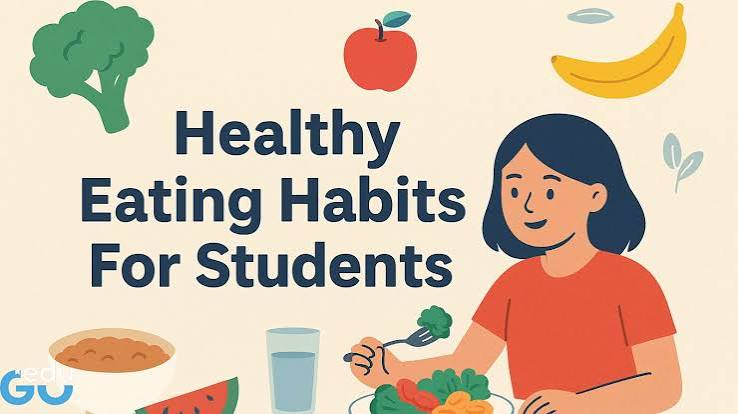
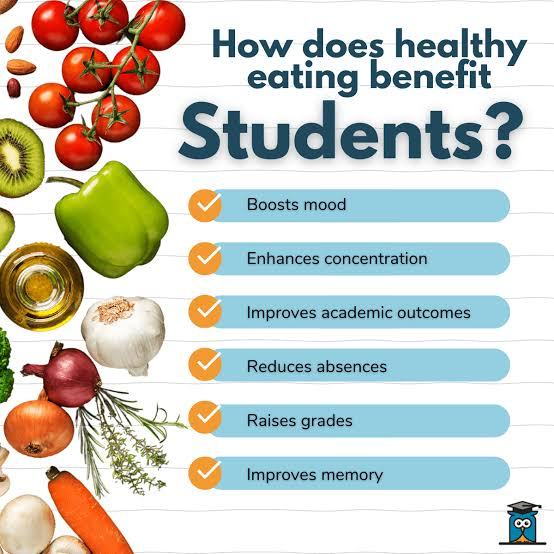
Healthy eating is one of the most important factors that contribute to a student’s academic success, physical growth, and overall well-being. Students often face busy schedules, long study hours, and academic pressure, making it easy to skip meals or rely on fast food and sugary snacks. However, maintaining healthy eating habits provides the body and brain with the nutrients needed to perform at their best. A balanced diet not only improves concentration and memory but also strengthens the immune system and supports emotional well-being.
Developing healthy eating habits at an early age helps students build a strong foundation for a healthier future.
Why Healthy Eating Is Important for Students
Nutrition plays a vital role in every stage of a student’s life. Proper food choices provide energy for daily activities, improve brain function, and support healthy physical development.
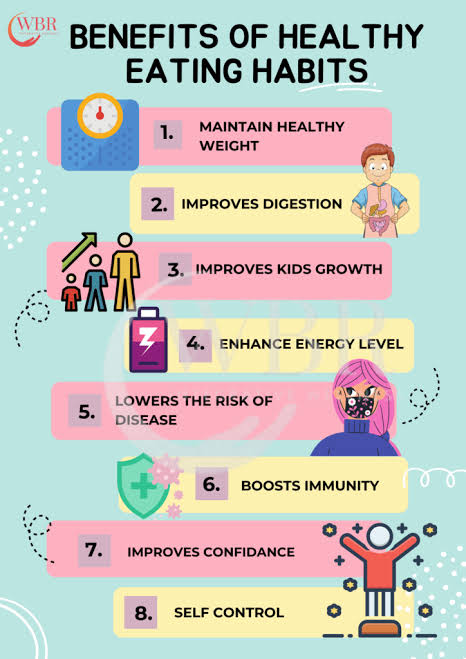
Healthy eating helps students:
- Improve concentration and memory
- Increase energy throughout the day
- Strengthen the immune system
- Maintain a healthy body weight
- Reduce the risk of illness
- Improve mood and emotional health
- Support healthy growth and development
- Perform better in academics and sports
Components of a Balanced Diet
A balanced diet contains all the essential nutrients the body requires.
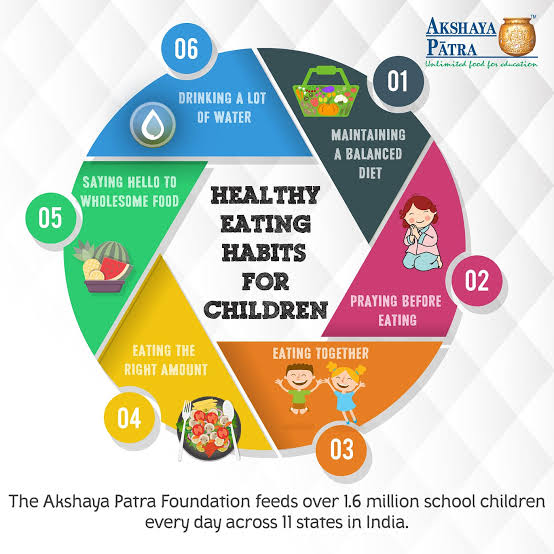
1. Fruits and Vegetables
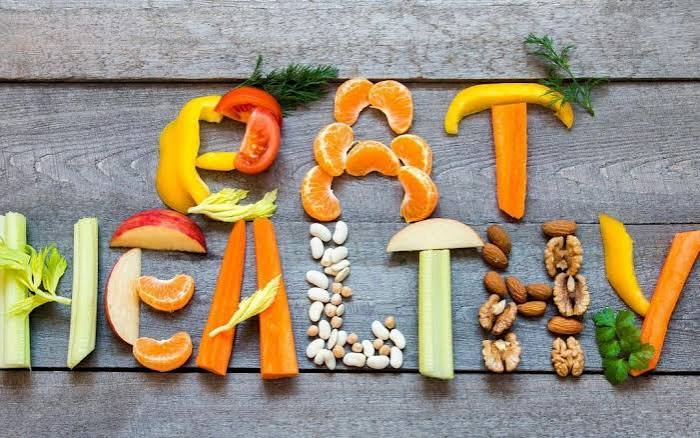
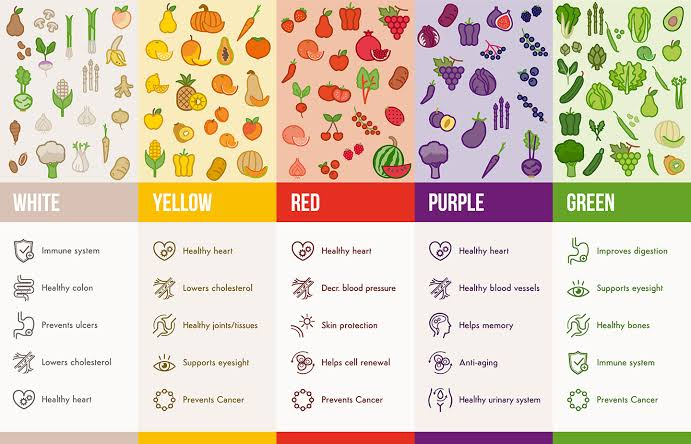
Fruits and vegetables provide vitamins, minerals, antioxidants, and fiber. Students should eat a variety of colorful fruits and vegetables every day.
Examples include:
- Apples
- Bananas
- Oranges
- Spinach
- Carrots
- Tomatoes
- Broccoli
2. Whole Grains
Whole grains supply carbohydrates that provide long-lasting energy.
Examples:
- Brown rice
- Whole wheat bread
- Oatmeal
- Whole-grain pasta
3. Protein
Protein helps build muscles, repair tissues, and support brain development.
Good sources include:
- Eggs
- Fish
- Chicken
- Beans
- Lentils
- Yogurt
- Nuts
4. Healthy Fats
Healthy fats support brain function and heart health.
Examples include:
- Avocados
- Olive oil
- Almonds
- Walnuts
- Seeds
5. Dairy Products
Milk, cheese, and yogurt provide calcium and vitamin D, which are essential for strong bones and teeth.
Healthy Breakfast: The Most Important Meal
Breakfast provides energy after an overnight fast and prepares students for learning.
Healthy breakfast ideas include:
- Oatmeal with fruit
- Eggs and whole-grain toast
- Yogurt with nuts
- Fresh fruit smoothies
- Whole-grain cereal with milk
Students who eat breakfast regularly often perform better in school than those who skip it.
Healthy Snacks for Students
Instead of processed snacks, students should choose healthier alternatives.
Examples:
- Fresh fruit
- Mixed nuts
- Yogurt
- Boiled eggs
- Popcorn without excess butter
- Vegetable sticks with hummus
Healthy snacks help maintain energy levels between meals.
Foods Students Should Limit
Certain foods provide little nutritional value and should only be eaten occasionally.
These include:
- Sugary drinks
- Candy
- Chips
- Fast food
- Deep-fried foods
- Processed snacks
- Excessive desserts
Overconsumption of these foods may lead to obesity, fatigue, and poor concentration.
The Importance of Drinking Water
Water supports digestion, brain function, body temperature regulation, and concentration.
Students should:
- Drink water throughout the day.
- Carry a reusable water bottle.
- Replace sugary drinks with water whenever possible.
Proper hydration improves both physical and mental performance.
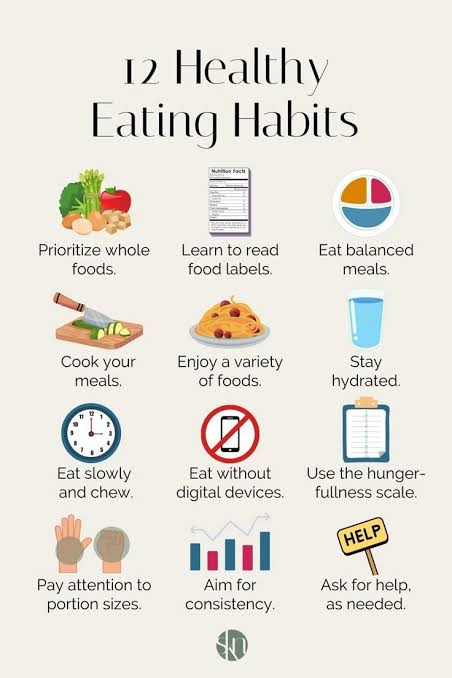
Tips for Building Healthy Eating Habits
- Never skip breakfast.
- Eat meals at regular times.
- Include fruits and vegetables in every meal.
- Drink plenty of water.
- Avoid excessive sugar.
- Read nutrition labels.
- Practice portion control.
- Plan healthy meals in advance.
- Limit fast food.
- Eat slowly and mindfully.
Challenges Students Face
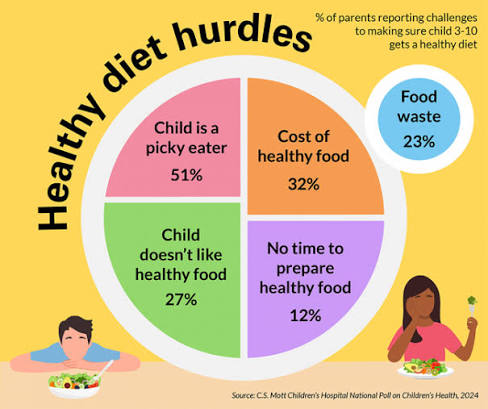
Students often struggle with:
- Busy schedules
- Limited budgets
- Peer influence
- Easy access to junk food
- Poor meal planning
Despite these challenges, making small healthy choices each day can make a significant difference.
Long-Term Benefits
Healthy eating habits reduce the risk of:
- Heart disease
- Diabetes
- Obesity
- High blood pressure
- Nutritional deficiencies
Good nutrition also promotes stronger bones, better mental health, and improved academic performance.
Conclusion
Healthy eating is a lifelong investment in physical and mental well-being. Students who choose nutritious foods, stay hydrated, and maintain balanced eating habits are more likely to succeed academically and enjoy healthier lives. By making smart food choices every day, students can improve their energy, concentration, and overall quality of life while building habits that will benefit them for years to come.