Introduction
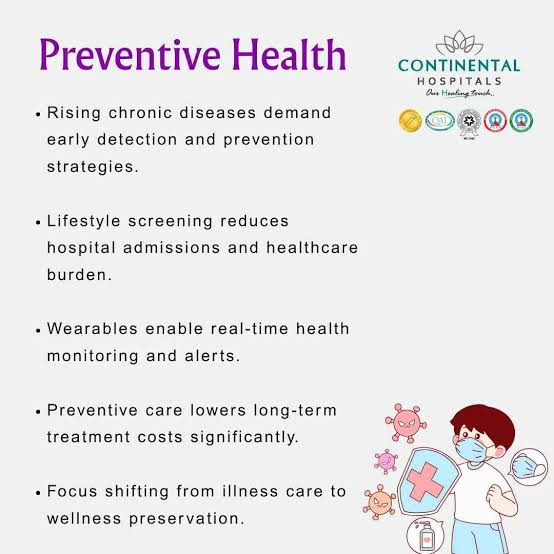
Preventive healthcare focuses on preventing diseases before they occur rather than treating them after they develop. Through regular medical checkups, healthy lifestyle choices, vaccinations, screenings, and early detection, preventive healthcare helps people maintain better health throughout their lives. It not only improves individual well-being but also reduces healthcare costs and eases the burden on healthcare systems.
Investing in prevention is one of the most effective ways to ensure a healthier and longer life.
What Is Preventive Healthcare?
Preventive healthcare includes medical services and healthy practices designed to reduce the risk of illness, detect diseases early, and promote long-term health.
It includes:
- Regular health checkups
- Vaccinations
- Health screenings
- Healthy nutrition
- Physical activity
- Mental health care
- Health education
- Disease prevention programs
Why Preventive Healthcare Is Important
1. Early Detection of Diseases
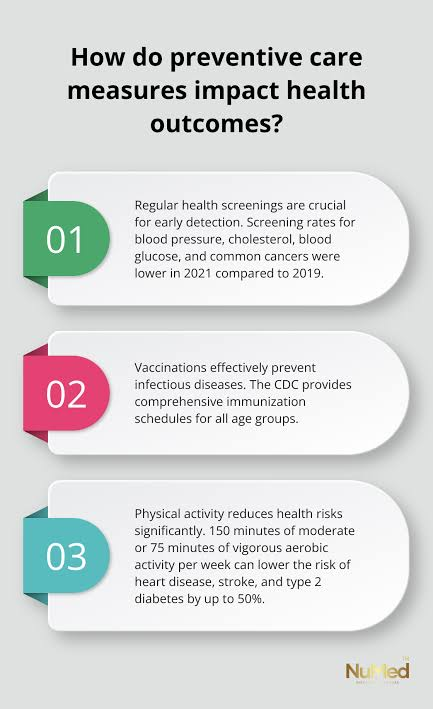
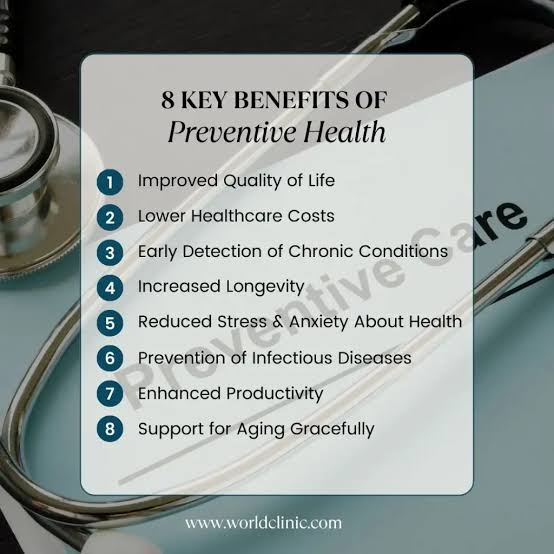
Regular screenings help identify conditions such as diabetes, high blood pressure, and certain cancers before symptoms appear, increasing the chances of successful treatment.
2. Reduces Healthcare Costs
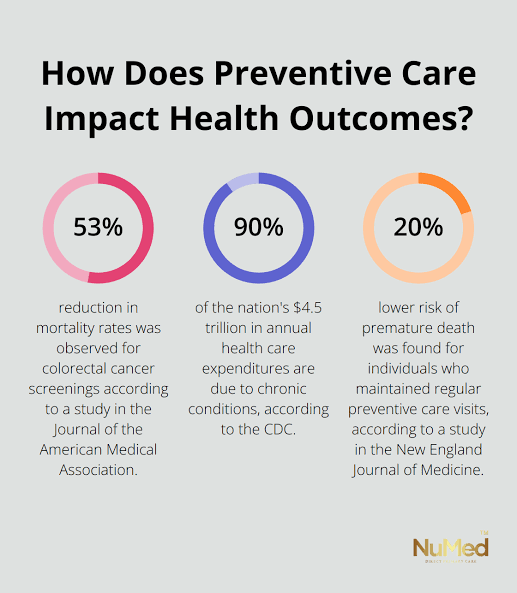
Preventing illness is often less expensive than treating advanced diseases, reducing financial burdens on individuals and healthcare systems.
3. Improves Quality of Life
Healthy habits and preventive care allow people to remain active, productive, and independent for longer.
4. Increases Life Expectancy
By lowering the risk of chronic diseases and infections, preventive healthcare contributes to a longer, healthier life.
Key Components of Preventive Healthcare
Regular Medical Checkups
Routine visits help monitor blood pressure, cholesterol, blood sugar, and overall health.
Vaccinations
Immunizations protect individuals and communities from infectious diseases.
Healthy Nutrition
Eating balanced meals strengthens the immune system and supports overall health.
Regular Exercise
At least 150 minutes of moderate physical activity each week helps reduce the risk of chronic diseases.
Mental Health Care
Managing stress, anxiety, and emotional well-being is an important part of preventive healthcare.
Adequate Sleep
Quality sleep supports immune function, memory, and overall physical health.
Lifestyle Choices That Promote Prevention
- Avoid smoking and tobacco products.
- Limit alcohol consumption.
- Stay physically active.
- Maintain a healthy weight.
- Drink enough water.
- Practice good hygiene.
- Manage stress effectively.
- Follow medical advice and recommended screenings.
The Role of Technology
Modern technology supports preventive healthcare through:
- Fitness trackers
- Health monitoring apps
- Telemedicine
- Wearable devices
- Electronic health records
These tools encourage healthier lifestyles and enable early intervention.
Benefits for Society
Preventive healthcare benefits entire communities by:
- Reducing disease outbreaks
- Lowering healthcare costs
- Improving workforce productivity
- Increasing public awareness
- Supporting healthier families
Challenges
Some barriers include:
- Limited healthcare access
- Lack of awareness
- Financial constraints
- Cultural misconceptions
- Busy lifestyles
Governments, healthcare providers, and educational institutions can help overcome these challenges through awareness campaigns and accessible healthcare services.
Conclusion
Preventive healthcare empowers individuals to take control of their health before illnesses develop. Through healthy habits, regular checkups, vaccinations, and early detection, people can enjoy longer, healthier lives while reducing healthcare costs. Prevention is not only a medical strategy .