Introduction
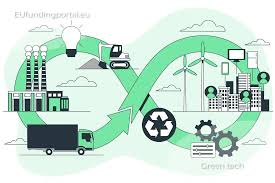
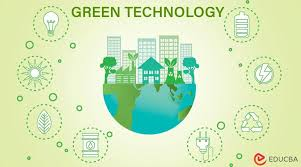
As the world faces the challenges of climate change, pollution, and the depletion of natural resources, green technology has emerged as a powerful solution for building a sustainable future. Green technology, also known as environmental technology or clean technology, focuses on developing products, systems, and processes that reduce environmental impact while promoting economic growth. From renewable energy and electric vehicles to smart buildings and waste recycling, green technology is transforming industries and improving the quality of life for people around the globe.
What Is Green Technology?
Green technology refers to innovations designed to protect the environment and conserve natural resources. These technologies aim to reduce carbon emissions, minimize waste, improve energy efficiency, and encourage the use of renewable resources. The primary goal is to meet today’s needs without compromising the ability of future generations to meet theirs.
Why Green Technology Is Important
The rapid growth of industries and urban populations has increased pollution and greenhouse gas emissions. Green technology helps address these issues by providing environmentally friendly alternatives that reduce the harmful effects of human activities.
Its importance includes:
- Reducing environmental pollution.
- Conserving natural resources.
- Fighting climate change.
- Improving public health.
- Supporting sustainable economic development.
- Creating new employment opportunities.
Major Green Technology Innovations
Renewable Energy
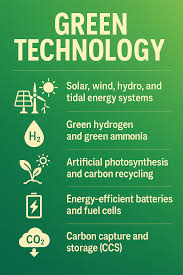
Renewable energy sources such as solar, wind, hydroelectric, and geothermal power provide clean alternatives to fossil fuels. These energy sources produce little or no greenhouse gas emissions and help reduce dependence on non-renewable resources.
Electric Vehicles (EVs)
Electric vehicles are becoming increasingly popular because they produce fewer emissions than traditional gasoline-powered cars. Improvements in battery technology have made EVs more efficient, affordable, and practical for everyday use.
Smart Grids
Smart electrical grids use digital technology to monitor and distribute electricity efficiently. They reduce energy waste, improve reliability, and make it easier to integrate renewable energy into national power systems.
Green Buildings
Modern green buildings are designed to use less energy and water while providing healthier indoor environments. Features include energy-efficient lighting, solar panels, natural ventilation, rainwater harvesting, and sustainable construction materials.
Waste Recycling Technologies
Advanced recycling systems convert plastic, paper, metal, and electronic waste into reusable materials. Recycling reduces landfill waste, conserves raw materials, and lowers environmental pollution.
Water Purification and Conservation
Innovative filtration systems, desalination technologies, and wastewater treatment plants provide cleaner water while conserving valuable freshwater resources.
Sustainable Agriculture
Modern farming technologies such as precision agriculture, drip irrigation, and smart sensors help farmers produce more food while using less water, fertilizer, and energy.
The Role of Artificial Intelligence
Artificial intelligence is improving environmental protection by:
- Monitoring air and water quality.
- Predicting energy demand.
- Optimizing renewable energy systems.
- Managing waste efficiently.
- Supporting smart farming practices.
AI enables governments and businesses to make data-driven decisions for environmental sustainability.
Benefits of Green Technology
Green technology offers numerous advantages:
- Lower carbon emissions.
- Cleaner air and water.
- Reduced energy costs.
- Improved resource efficiency.
- Better public health.
- Increased energy security.
- Creation of green jobs.
- Long-term environmental sustainability.
Challenges
Despite its benefits, green technology faces several challenges:
- High initial investment costs.
- Limited infrastructure in developing countries.
- Public awareness and education gaps.
- Dependence on government policies and incentives.
- Technical limitations in some renewable energy systems.
The Future of Green Technology
Future innovations are expected to include advanced solar panels, more efficient batteries, hydrogen-powered transportation, carbon capture technologies, biodegradable materials, and AI-driven environmental management systems. These developments will play a vital role in achieving global sustainability goals.
Conclusion
Green technology is shaping a cleaner, healthier, and more sustainable future. By embracing renewable energy, sustainable transportation, smart infrastructure, and environmentally friendly innovations, societies can reduce pollution and protect natural resources. Governments, businesses, and individuals all have important roles to play in supporting green technology and creating a better world for future generations.