Introduction
As cities continue to expand and populations increase, ensuring a reliable supply of fresh and nutritious food has become a major challenge. Urban farming has emerged as an innovative solution by bringing food production closer to where people live. From rooftop gardens and community farms to vertical farming and hydroponic systems, urban agriculture is transforming unused urban spaces into productive green areas. It not only improves food security but also contributes to healthier communities and a more sustainable environment.
What Is Urban Farming?
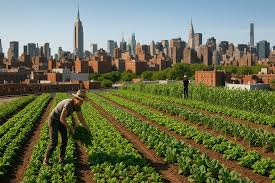
Urban farming is the practice of growing vegetables, fruits, herbs, and other crops within cities and towns. It also includes raising small livestock, beekeeping, and fish farming where local regulations allow. Urban farming can take place on rooftops, balconies, vacant land, school gardens, and even inside buildings using advanced farming technologies.
Why Urban Farming Is Growing
Rapid urbanization, climate change, rising food prices, and increasing awareness of healthy eating have encouraged the growth of urban farming. People are becoming more interested in producing fresh food locally while reducing transportation costs and environmental impact.
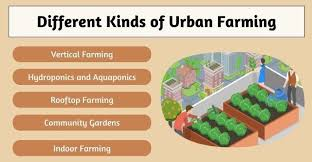
Types of Urban Farming
Rooftop Gardening
Unused rooftops are converted into gardens where vegetables, fruits, and flowers are grown. Rooftop gardens also help reduce building temperatures and improve air quality.
Vertical Farming
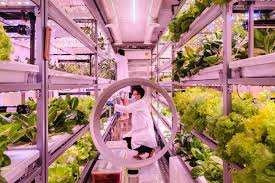
Vertical farming grows crops in stacked layers using controlled indoor environments. This method saves space and allows year-round production with minimal land use.
Hydroponics
Hydroponic farming grows plants without soil by using nutrient-rich water. It uses less water than traditional farming and produces crops efficiently.
Community Gardens
Local residents work together to cultivate shared gardens, promoting social interaction while producing fresh food for the community.
Indoor Farming
Modern indoor farms use LED lighting, climate control, and automated irrigation systems to grow crops throughout the year regardless of outdoor weather conditions.
Benefits of Urban Farming
Urban farming offers many advantages:
- Provides fresh and healthy food.
- Improves food security.
- Reduces transportation costs and emissions.
- Creates green spaces in cities.
- Supports local economies.
- Encourages healthy lifestyles.
- Promotes community engagement.
- Creates educational opportunities for students.
Environmental Benefits
Urban farming contributes to environmental sustainability by:
- Reducing the carbon footprint of food transportation.
- Increasing green spaces.
- Improving air quality.
- Conserving water through efficient irrigation systems.
- Recycling organic waste into compost.
- Supporting urban biodiversity.
Economic and Social Impact
Urban agriculture creates employment opportunities, supports small businesses, and provides additional income for families. Community gardens strengthen neighborhood relationships, encourage volunteerism, and educate people about nutrition and sustainable living.
Challenges
Despite its growing popularity, urban farming faces several challenges:
- Limited land availability.
- High startup costs for advanced farming systems.
- Water management issues.
- Limited technical knowledge.
- Local regulations and zoning restrictions.
- Pest and disease management.
The Future of Urban Farming
The future of urban farming looks promising. Innovations such as smart irrigation, artificial intelligence, automated greenhouses, drone monitoring, and vertical farming technologies will increase productivity while reducing environmental impact. As cities become more sustainable, urban agriculture will play an increasingly important role in feeding growing populations.
Conclusion
Urban farming is transforming cities into greener, healthier, and more self-sufficient communities. By producing food locally, reducing environmental impact, and strengthening community ties, urban agriculture offers a practical solution to many modern challenges. As technology advances and public awareness grows, urban farming is expected to become an essential part of sustainable urban development worldwide.