Introduction
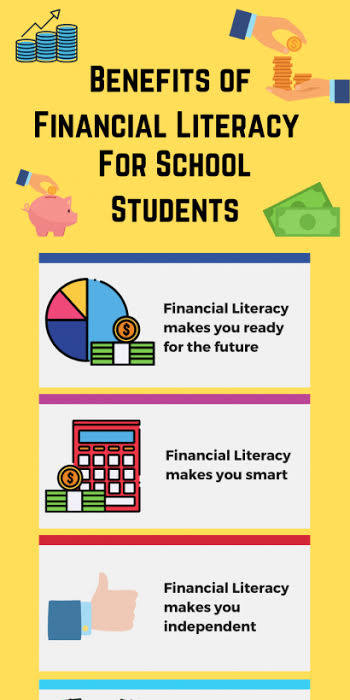
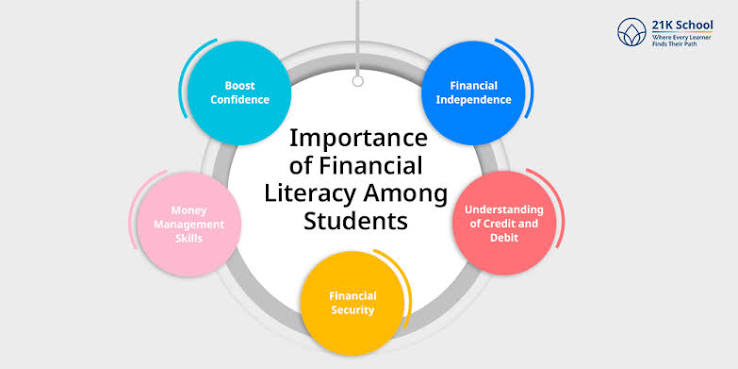
Financial literacy is one of the most valuable life skills a person can possess. It involves understanding how money works, including earning, saving, budgeting, investing, borrowing, and managing financial risks. Despite its importance, many young people graduate from school without learning how to make informed financial decisions. Introducing financial literacy as a core subject in schools would prepare students to become responsible, confident, and financially independent adults.
Understanding Money Management
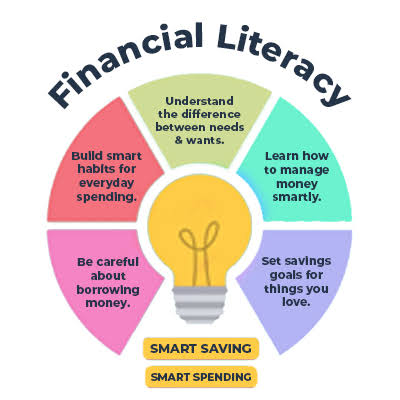
Students should learn how to create budgets, manage expenses, and distinguish between needs and wants. Budgeting teaches individuals to plan their spending, avoid unnecessary debt, and save for future goals.
Learning these skills early helps students develop responsible financial habits that can last a lifetime.
The Importance of Saving
Saving money is essential for financial security. Schools should teach students the importance of setting financial goals and building emergency savings. Understanding the power of regular saving encourages discipline and prepares young people for unexpected expenses.
Students also learn the value of delayed gratification, an important habit for long-term financial success.
Learning About Banking
Financial literacy education should introduce students to banking services such as savings accounts, checking accounts, debit cards, online banking, and digital payment systems. Students who understand banking can confidently manage their finances and avoid costly mistakes.
Knowledge of banking also helps protect individuals from financial fraud and scams.
Responsible Use of Credit
Many adults struggle with debt because they never learned how credit works. Schools should teach students about loans, credit cards, interest rates, credit scores, and responsible borrowing.
Understanding these concepts helps young people avoid excessive debt and make informed financial decisions throughout their lives.
Introduction to Investing
Investing is an important way to build long-term wealth. Students should learn basic investment concepts such as stocks, bonds, mutual funds, diversification, and compound interest.
Early financial education encourages students to begin investing sooner, allowing their money to grow over time.
Financial Decision-Making
Financial literacy also develops critical thinking and decision-making skills. Students learn how to compare prices, evaluate financial products, identify scams, and make informed purchasing decisions.
These abilities are increasingly important in today’s digital economy, where online shopping and digital financial services are common.
Preparing for Adult Life
After graduation, young adults face many financial responsibilities, including paying bills, managing salaries, filing taxes, renting homes, and planning for retirement. Financial education equips students with the knowledge needed to handle these responsibilities confidently.
Students who understand personal finance are more likely to achieve financial stability and avoid common financial problems.
Benefits for Society
A financially educated population benefits the entire economy. People who manage money wisely are more likely to save, invest, start businesses, and contribute positively to economic growth. Financial literacy also reduces poverty, debt problems, and financial stress within communities.
Conclusion
Financial literacy is an essential life skill that every student should learn before leaving school. Teaching personal finance equips young people with practical knowledge that supports responsible decision-making, financial independence, and long-term success. By making financial literacy a regular part of school education, societies can prepare future generations for a more secure and prosperous future.