Introduction
The FIFA World Cup is the most prestigious football tournament in the world. Held every four years, it brings together the best national teams to compete for football’s greatest prize. Since its first edition in 1930, the tournament has grown into a global sporting event watched by billions of fans, inspiring generations of players and uniting people across cultures.
The Beginning of the World Cup
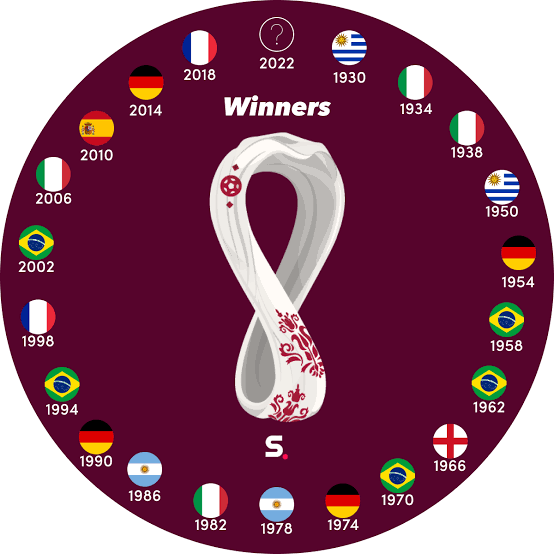
The inaugural FIFA World Cup took place in Uruguay in 1930, with 13 participating nations. Uruguay won the first title by defeating Argentina in the final. Since then, the competition has expanded significantly, welcoming teams from every continent and becoming one of the world’s largest sporting events.
Growth of the Tournament
Over the decades, the FIFA World Cup has evolved in many ways. The number of participating teams has increased, giving more countries the opportunity to compete on the world stage. Improvements in broadcasting and digital media have also allowed fans around the globe to follow every match live.
The tournament has become more than just a football competition—it is a celebration of culture, sportsmanship, and international friendship.
Memorable Moments
The World Cup has produced countless unforgettable moments, including dramatic goals, penalty shootouts, underdog victories, and legendary individual performances. These moments have become part of football history and continue to inspire fans around the world.
Technology in the Modern Game
Modern FIFA tournaments use advanced technologies to improve fairness and accuracy. Goal-line technology and the Video Assistant Referee (VAR) help officials make more accurate decisions, while performance analysis tools assist teams in preparing for matches.
Technology continues to play an increasingly important role in improving the quality of the competition.
The Impact of the World Cup
Hosting the FIFA World Cup provides economic, cultural, and tourism benefits for host nations. The tournament creates jobs, improves infrastructure, attracts international visitors, and promotes football development among young players.
It also inspires millions of children to dream of representing their countries on football’s biggest stage.
Conclusion
The FIFA World Cup remains the pinnacle of international football. Its rich history, unforgettable matches, and global influence have made it one of the greatest sporting events in the world. As football continues to evolve, the World Cup will remain a symbol of excellence, unity, and passion for generations to come. Information about FIFA competitions and initiatives is available through FIFA’s official stories and publications.
Hashtags:
#FIFA #FIFAWorldCup #Football #Soccer #WorldCup #Sports #FootballHistory #Champions #GlobalFootball #FootballFans #Sportsmanship #Teamwork #FutureStars #InternationalFootball #FootballPassion
FIFA’s Role in Developing Football Worldwide
Introduction
FIFA is the international governing body responsible for promoting and developing football across the globe. Beyond organizing the FIFA World Cup, FIFA invests in grassroots programs, youth development, women’s football, coaching education, refereeing, and infrastructure to help the sport grow in every region.
Promoting Grassroots Football
Grassroots football is the foundation of the sport. FIFA supports local football associations by providing funding, equipment, coaching resources, and educational programs that encourage children to participate in football from an early age.
These initiatives help discover talented players while promoting healthy lifestyles and teamwork.
Developing Young Players
Youth development is one of FIFA’s top priorities. International youth tournaments provide young athletes with opportunities to compete at the highest level and gain valuable experience before progressing to senior national teams.
Many of today’s football stars first gained international recognition through FIFA youth competitions.
Supporting Women’s Football
Women’s football has experienced remarkable growth over the past decade. FIFA continues to invest in women’s competitions, coaching programs, player development, and health initiatives to increase participation and improve standards worldwide. Recent FIFA initiatives also emphasize research and education focused on female player health and performance.
Improving Coaching and Refereeing
High-quality coaching and officiating are essential for football’s development. FIFA organizes educational courses, certification programs, and workshops for coaches and referees to improve technical knowledge and maintain consistent standards across international competitions.
Innovation and Technology
FIFA continues to embrace innovation through technologies such as VAR, goal-line technology, and advanced performance analysis systems. These developments improve fairness, enhance the fan experience, and support players, coaches, and match officials.
Football as a Global Language
Football has the unique ability to unite people regardless of nationality, language, or culture. FIFA competitions promote friendship, mutual respect, and fair play while bringing millions of supporters together through a shared passion for the game.
Conclusion
FIFA’s contribution extends far beyond organizing tournaments. Through investment in youth programs, women’s football, education, technology, and grassroots development, FIFA continues to shape the future of football around the world. Its ongoing efforts help ensure that the sport remains accessible, competitive, and inspiring for future generations.