Introduction
Sleep is one of the most essential pillars of good health, alongside a balanced diet and regular physical activity. Despite its importance, many people sacrifice sleep because of work, studies, entertainment, or stress. While missing a few hours of sleep may seem harmless, long-term sleep deprivation can have serious effects on physical, mental, and emotional well-being. Quality sleep allows the body and mind to recover, repair, and prepare for the challenges of a new day.
Why Sleep Is Essential
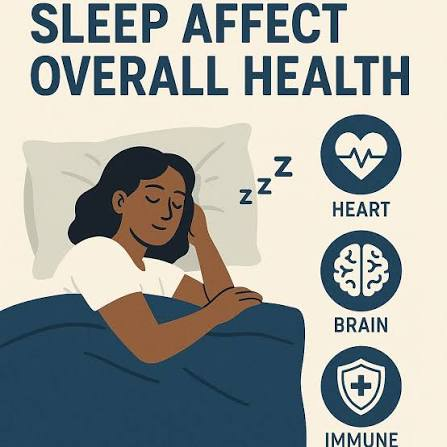
Sleep is not simply a period of rest. During sleep, the body performs vital functions that help maintain overall health. The brain organizes memories, muscles repair themselves, hormones are regulated, and the immune system strengthens its defenses against illness.
Adults generally need 7–9 hours of quality sleep each night, while teenagers and children require even more to support healthy growth and development.
Benefits of Good Sleep
Improves Brain Function
A well-rested brain performs better in learning, concentration, problem-solving, and decision-making. Sleep enhances memory by helping the brain process and store information gathered throughout the day. Students and professionals who sleep well are often more productive and focused.
Strengthens the Immune System
Quality sleep helps the body produce infection-fighting cells and proteins. People who get enough sleep are generally better equipped to fight viruses, bacteria, and other illnesses. Lack of sleep can weaken immunity and increase the risk of getting sick.
Supports Heart Health
During sleep, blood pressure naturally decreases, allowing the heart and blood vessels to rest. Consistently getting enough sleep helps reduce the risk of high blood pressure, heart disease, and stroke.
Maintains a Healthy Weight
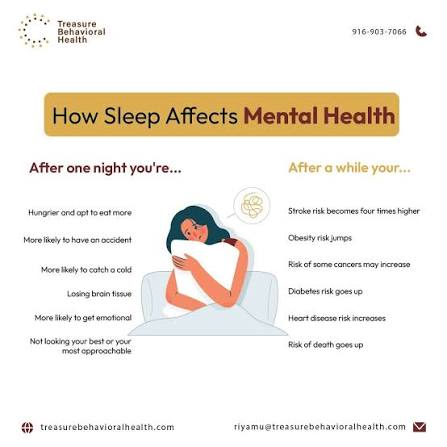
Sleep plays an important role in regulating hormones that control hunger and appetite. Poor sleep can increase cravings for unhealthy foods and reduce the body’s ability to regulate blood sugar, making weight gain more likely.
Enhances Mental Health
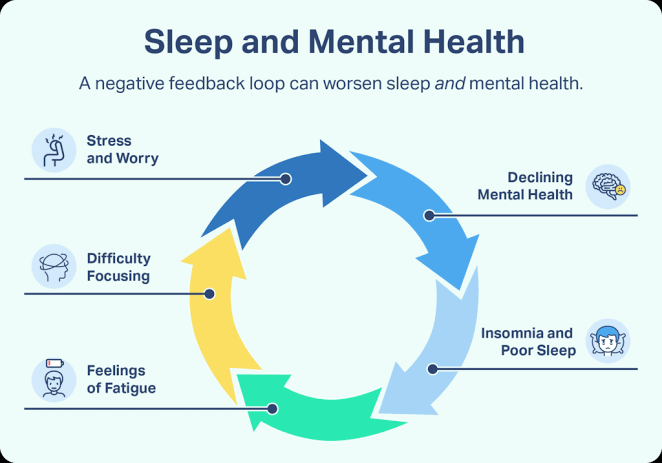
Adequate sleep supports emotional balance and mental well-being. People who sleep well are generally better able to manage stress, anxiety, and daily challenges. Chronic sleep deprivation has been linked to an increased risk of depression and anxiety disorders.
Improves Physical Performance
Athletes and physically active individuals benefit from quality sleep because muscles recover and grow during rest. Good sleep improves coordination, reaction time, endurance, and overall physical performance.
The Consequences of Sleep Deprivation
Insufficient sleep can negatively affect nearly every system in the body. Common consequences include:
- Difficulty concentrating and remembering information.
- Mood swings, irritability, and increased stress.
- Weakened immune function.
- Higher risk of obesity and diabetes.
- Increased likelihood of heart disease.
- Reduced productivity and poor academic or workplace performance.
- Greater risk of accidents caused by fatigue.
Long-term sleep deprivation can significantly reduce quality of life and contribute to chronic health conditions.
Tips for Better Sleep
Maintain a Regular Sleep Schedule
Go to bed and wake up at the same time every day, including weekends. A consistent routine helps regulate your body’s internal clock.
Create a Comfortable Sleep Environment
Keep your bedroom quiet, dark, cool, and comfortable. A supportive mattress and pillow can also improve sleep quality.
Limit Screen Time Before Bed
The blue light emitted by phones, tablets, and computers can interfere with the production of melatonin, the hormone that helps regulate sleep. Avoid screens at least one hour before bedtime.
Avoid Heavy Meals and Caffeine Late in the Day
Large meals, coffee, tea, and energy drinks close to bedtime can make it difficult to fall asleep.
Stay Physically Active
Regular exercise promotes better sleep, although intense workouts should be avoided immediately before bedtime.
Manage Stress
Relaxation techniques such as deep breathing, meditation, reading, or listening to calming music can help prepare the mind for restful sleep.
Sleep Across Different Age Groups
Sleep needs vary throughout life. Children and teenagers require more sleep to support growth and brain development, while adults benefit from maintaining consistent sleep habits to protect long-term health. Older adults may experience changes in sleep patterns but still require sufficient rest for healthy aging.
Conclusion
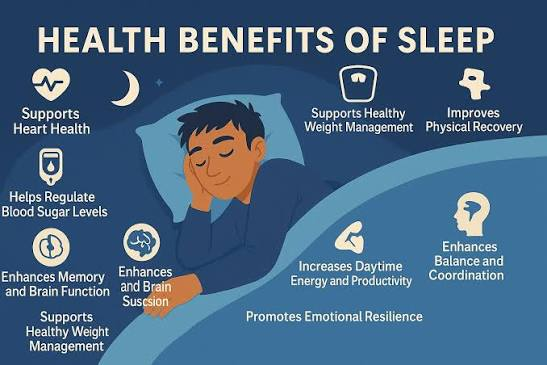
Sleep is a powerful foundation for overall health and well-being. It improves brain function, strengthens the immune system, supports heart health, regulates body weight, and promotes emotional stability. Prioritizing quality sleep is one of the simplest and most effective ways to improve both physical and mental health. By developing healthy sleep habits, individuals can enjoy greater energy, better productivity, and a higher quality of life.