Introduction
Lifestyle diseases have become one of the biggest public health challenges in the modern world. These diseases are primarily caused by unhealthy habits such as poor nutrition, physical inactivity, smoking, excessive alcohol consumption, chronic stress, and insufficient sleep. Conditions like heart disease, type 2 diabetes, obesity, high blood pressure, and certain types of cancer are increasingly common but are often preventable through healthy lifestyle choices.
Preventing lifestyle diseases not only improves quality of life but also reduces healthcare costs and increases life expectancy.
What Are Lifestyle Diseases?
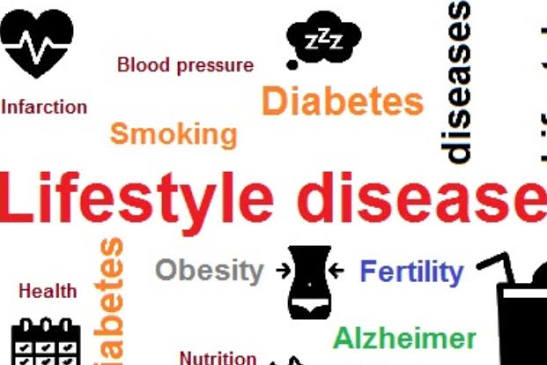
Lifestyle diseases are long-term health conditions that develop due to unhealthy daily habits rather than infectious causes. They often develop gradually and may not show symptoms until they become serious.
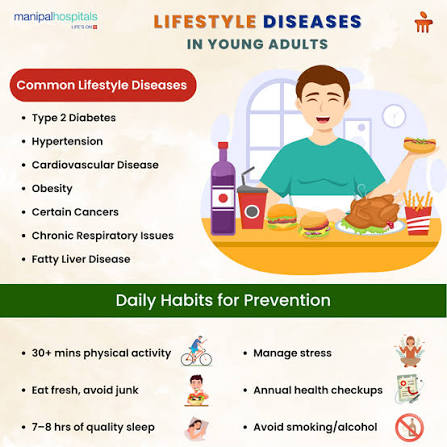
Common lifestyle diseases include:
- Heart disease
- Type 2 diabetes
- High blood pressure
- Obesity
- Stroke
- Certain cancers
- Chronic respiratory diseases
Major Causes of Lifestyle Diseases
Poor Diet
Frequent consumption of processed foods, sugary drinks, excessive salt, unhealthy fats, and low intake of fruits and vegetables can increase the risk of chronic diseases.
Lack of Physical Activity
A sedentary lifestyle weakens the body, contributes to weight gain, and increases the likelihood of heart disease and diabetes.
Tobacco and Excessive Alcohol Use
Smoking damages nearly every organ in the body and significantly raises the risk of cancer, heart disease, and lung disease. Excessive alcohol consumption can harm the liver, heart, and brain.
Chronic Stress
Long-term stress affects hormone levels, weakens the immune system, increases blood pressure, and contributes to unhealthy coping habits such as overeating or smoking.
Poor Sleep Habits
Inadequate sleep disrupts metabolism, weakens immunity, and increases the risk of obesity, diabetes, and cardiovascular disease.
Effective Ways to Prevent Lifestyle Diseases
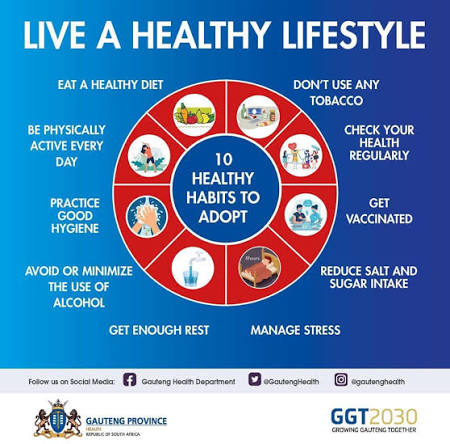
Eat a Balanced Diet
Choose meals rich in fruits, vegetables, whole grains, lean proteins, healthy fats, and plenty of water. Limit processed foods, sugary snacks, and excessive salt intake.
Exercise Regularly
Aim for at least 150 minutes of moderate physical activity each week. Activities such as walking, cycling, swimming, or dancing help maintain a healthy body and reduce disease risk.
Maintain a Healthy Weight
Keeping your weight within a healthy range reduces strain on the heart, joints, and other organs while lowering the risk of several chronic diseases.
Get Enough Sleep
Quality sleep supports hormone balance, immune function, and overall health. Adults should aim for 7–9 hours of sleep each night.
Avoid Smoking and Limit Alcohol
Quitting smoking and limiting alcohol consumption greatly reduce the risk of many preventable diseases and improve overall well-being.
Manage Stress Effectively
Practice relaxation techniques, maintain supportive relationships, spend time on hobbies, and seek professional help if stress becomes overwhelming.
Schedule Regular Health Checkups
Routine medical examinations can detect risk factors such as high blood pressure, elevated blood sugar, and high cholesterol before they develop into serious conditions.
The Role of Education and Awareness
Schools, workplaces, healthcare providers, and communities all play an important role in promoting healthy lifestyles. Public awareness campaigns encourage healthier choices and help people understand the long-term consequences of unhealthy habits.
Families also have a significant influence by encouraging nutritious meals, regular exercise, and healthy routines from an early age.
Benefits of Disease Prevention
Preventing lifestyle diseases offers numerous advantages:
- Longer life expectancy.
- Better physical and mental health.
- Lower medical expenses.
- Increased productivity.
- Improved quality of life.
- Greater independence during older age.
Conclusion
Lifestyle diseases are largely preventable through healthy daily habits. Eating nutritious foods, staying physically active, getting enough sleep, avoiding tobacco, managing stress, and attending regular health checkups can significantly reduce the risk of chronic illness. Every positive choice made today contributes to a healthier future. By adopting a balanced lifestyle, individuals can protect their health, enjoy greater well-being, and lead longer, more fulfilling lives.