Introduction
The term “Baloch Nasl Kashi” (Baloch genocide) is used by some activists, organizations, and members of the Baloch community to describe alleged large-scale human rights abuses against Baloch people, particularly in Pakistan’s province of Balochistan. The use of the word “genocide” is highly controversial and disputed. While some groups argue that the treatment of Baloch people amounts to genocide, the government rejects this characterization and states that its actions are aimed at maintaining law and order and combating armed insurgent groups.
Background
Balochistan is Pakistan’s largest province by area and is rich in natural resources such as natural gas, coal, copper, and gold. Despite these resources, many local communities argue that the province has remained economically underdeveloped, with limited access to education, healthcare, employment, and infrastructure.
For decades, tensions have existed between the Pakistani state and some Baloch nationalist groups, leading to repeated conflicts and security operations.
Human Rights Concerns
Human rights organizations have documented allegations including:
- Enforced disappearances.
- Extrajudicial killings.
- Arbitrary arrests and detention.
- Restrictions on freedom of expression.
- Displacement of civilians due to conflict.
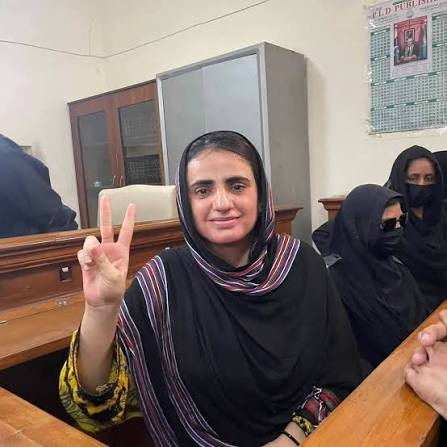
Families of missing persons have organized protests demanding information about their loved ones and accountability for alleged abuses.
Government’s Position
The Government of Pakistan denies allegations of genocide and maintains that security operations are conducted against armed militant groups rather than civilians. Officials argue that these operations are necessary to maintain national security, protect infrastructure, and prevent terrorism.
International Perspective
International human rights organizations have repeatedly expressed concern about alleged human rights violations in Balochistan and have called for:
- Independent investigations.
- Protection of civilians.
- Accountability for abuses.
- Respect for human rights and the rule of law.
However, there is no broad international legal consensus or determination by an international court that the situation constitutes genocide.
Challenges
Some of the major challenges in resolving the conflict include:
- Lack of trust between the state and local communities.
- Economic inequality and underdevelopment.
- Security concerns and ongoing violence.
- Allegations of human rights violations.
- Limited access for independent journalists and investigators.
Possible Solutions
Many analysts suggest that lasting peace could be supported through:
- Political dialogue.
- Protection of human rights.
- Independent investigations into alleged abuses.
- Greater economic development benefiting local communities.
- Improved education, healthcare, and employment opportunities.
- Strengthening democratic institutions and the rule of law.
References
- United Nations – Reports and statements on human rights.
- Amnesty International – Reports on human rights in Balochistan.
- Human Rights Watch – Publications on enforced disappearances and human rights concerns.
