Introduction
The digital age has transformed education in remarkable ways. With the rapid advancement of technology, traditional teaching methods have evolved into more interactive, technology-based learning environments. Computers, smartphones, the internet, and digital learning platforms have become essential tools in education. Despite these technological developments, teachers remain at the heart of the learning process. Their role has shifted from being the primary source of information to becoming facilitators, mentors, and guides who help students navigate the digital world effectively.
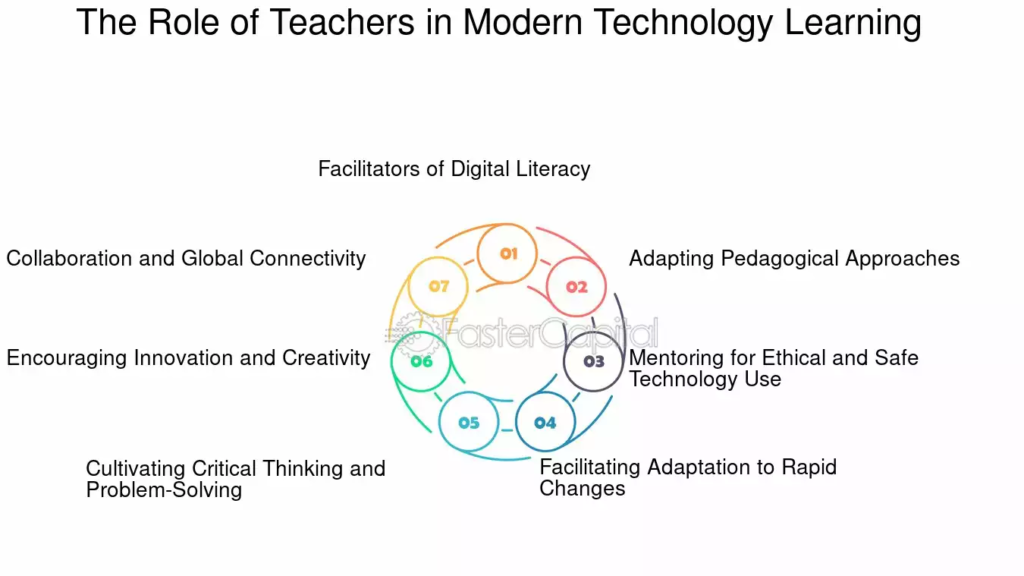
Facilitators of Digital Literacy
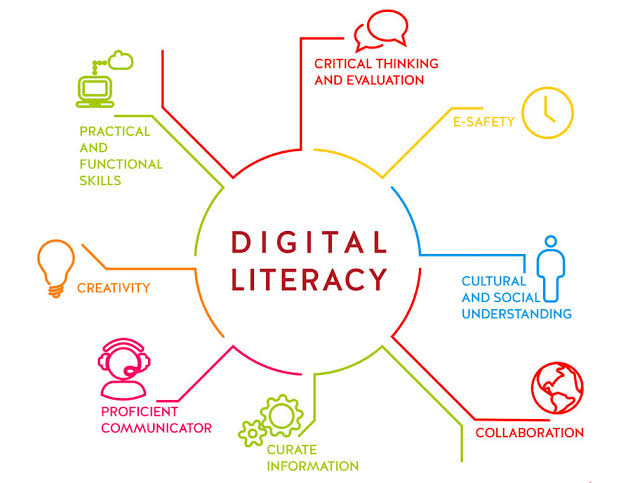
One of the most important roles of teachers in the digital age is to develop students’ digital literacy skills. Teachers help students learn how to use technology responsibly
Adapting Pedagogical Approaches
Modern teachers must adapt their teaching methods to meet the needs of today’s learners. They integrate digital resources, multimedia presentations, online learning platforms, and interactive activities into their lessons. These innovative approaches make learning more engaging, personalized, and effective for students.
Mentoring for Ethical and Safe Technology Use
Technology offers many benefits, but it also presents challenges such as cyberbullying, misinformation, and privacy concerns. Teachers play a crucial role in educating students about responsible digital citizenship. They guide learners on how to use technology ethically, protect their personal information, and behave respectfully in online environments.
Facilitating Adaptation to Rapid Changes
Technology continues to evolve rapidly, requiring individuals to continuously learn and adapt. Teachers help students develop flexibility, resilience, and a willingness to embrace change. By encouraging lifelong learning, teachers prepare students to succeed in a constantly changing technological landscape.
Cultivating Critical Thinking and Problem-Solving
In the digital age, information is readily available, but students need the ability to evaluate and analyze it critically. Teachers encourage critical thinking by helping
students assess the credibility of sources, solve complex problems, and make informed decisions. These skills are essential for academic achievement and professional success.
Encouraging Innovation and Creativity
Technology provides numerous opportunities for creativity and innovation. Teachers inspire students to explore new ideas, create digital projects, and use technology as a tool for problem-solving. By fostering creativity, teachers help students become innovative thinkers capable of contributing to society and future technological advancements.
Promoting Collaboration and Global Connectivity
Digital technologies have made global communication easier than ever before. Teachers encourage collaboration through online discussions, group projects, and virtual learning communities. Students can connect with peers and experts from different cultures and countries, promoting global understanding and cooperation.
Challenges Faced by Teachers
While technology offers many advantages, teachers also face challenges such as limited resources, lack of training, and the need to continuously update their technological skills. Balancing technology use with effective teaching practices requires dedication and professional development.
Conclusion
In conclusion, teachers continue to play a vital role in education despite rapid technological advancements. They are facilitators of digital literacy, mentors for responsible technology use, promoters of critical thinking, and supporters of innovation and collaboration. As education continues to evolve, teachers remain essential in guiding students toward academic success and preparing them for the opportunities and challenges of the digital age.