Introduction
Success in education is not determined solely by intelligence or academic ability. It also depends on a student’s willingness to reflect on their learning, identify strengths and weaknesses, and make continuous improvements. Self-evaluation is an important process that allows students to assess their own performance, learning progress, and personal development. Through self-evaluation, students become more responsible for their learning and develop the skills necessary for long-term success.
Understanding Self-Evaluation
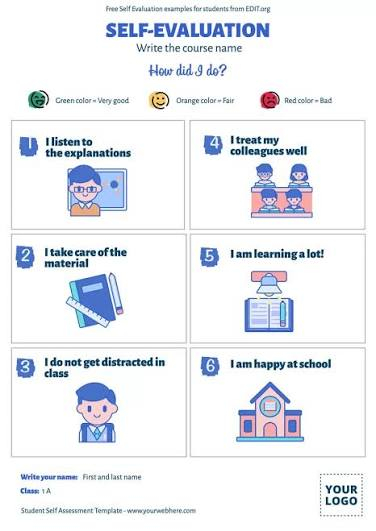
Self-evaluation is the process by which students examine their own work, behavior, and achievements. It involves reflecting on what has been learned, identifying areas that need improvement, and setting goals for future growth. Unlike traditional assessments conducted by teachers, self-evaluation encourages students to actively participate in their learning journey.
By honestly evaluating their performance, students gain a deeper understanding of their abilities and become more aware of their learning needs.
Importance of Self-Evaluation
Self-evaluation plays a significant role in academic and personal development. It helps students recognize their strengths and weaknesses, allowing them to focus on areas that require improvement. This process promotes independent learning and encourages students to take responsibility for their educational progress.
Self-evaluation also helps students develop confidence. When students monitor their achievements and recognize their improvements, they become more motivated to continue working toward their goals.
Benefits of Self-Evaluation for Student Success
1. Improves Academic Performance
Students can identify learning gaps and take corrective actions to improve their understanding and grades.
2. Enhances Self-Awareness
Self-evaluation helps students understand their abilities, habits, and learning styles.
3. Encourages Responsibility
Students become accountable for their own learning and progress.
4. Increases Motivation
Recognizing achievements and setting goals encourages students to stay focused and motivated.
5. Develops Critical Thinking Skills
Students learn to analyze their performance objectively and make informed decisions about improvement.
6. Promotes Lifelong Learning
Self-evaluation encourages continuous learning and personal development beyond the classroom.
Strategies for Effective Self-Evaluation
Students can improve their self-evaluation skills by:
- Setting clear academic goals.
- Keeping a learning journal or reflection diary.
- Reviewing assignments and test results regularly.
- Seeking feedback from teachers and peers.
- Creating action plans for improvement.
- Monitoring progress over time.
These practices help students become active participants in their education and support continuous growth.
Challenges of Self-Evaluation
Although self-evaluation offers many benefits, some students may find it difficult to assess themselves honestly. Overconfidence or lack of confidence can affect the accuracy of self-assessment. Therefore, guidance from teachers and the use of clear evaluation criteria are important for effective self-evaluation.
Conclusion
In conclusion, self-evaluation is a powerful tool that contributes significantly to student success. It promotes self-awareness, responsibility, motivation, and continuous improvement. By regularly reflecting on their performance and setting goals for development, students can enhance their academic achievements and personal growth. Self-evaluation not only helps students succeed in their studies but also prepares them for lifelong learning and future challenges.