Introduction
Football is often described as the world’s most popular sport, but its success is not based solely on skill and athleticism. Behind every great team lies a carefully designed tactical system that determines how players attack, defend, and control the game. Over the past century, football tactics have evolved dramatically due to changes in the rules, improvements in coaching, advances in sports science, and the increasing use of technology. Understanding this evolution provides valuable insight into how the modern game has become faster, smarter, and more competitive.
The Early Years of Football
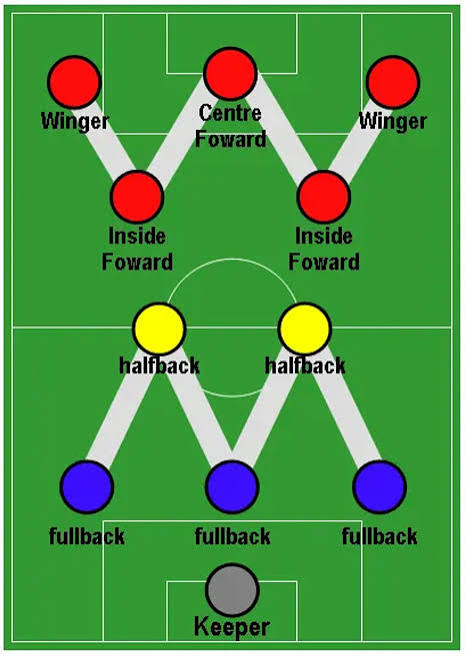
In the late nineteenth century, football was played with highly attacking formations. One of the earliest systems was the 2-3-5 formation, often called the “Pyramid.” Teams focused primarily on scoring goals, with little emphasis on organized defending.
As the game developed, coaches realized that defensive organization was equally important, leading to more balanced tactical approaches.
The WM Formation
One of the first major tactical revolutions came with the WM formation (3-2-2-3). It improved defensive stability while allowing quick attacks. This system influenced football strategy for many decades and became popular after changes to the offside rule.
The WM formation introduced greater structure, clearer player roles, and better balance between attack and defense.
Defensive Innovation
As football became more competitive, teams developed stronger defensive systems. Strategies focused on maintaining compact defensive lines, marking opponents closely, and protecting space rather than simply chasing the ball.
The introduction of zonal marking gradually replaced strict man-to-man marking in many leagues, allowing teams to defend more efficiently.
Total Football
One of the most influential tactical ideas was Total Football, developed and perfected in the 1970s. Under this philosophy, players could interchange positions freely while maintaining the team’s overall structure.
This approach required exceptional technical ability, intelligence, and fitness. It transformed football by making teams more flexible and unpredictable.
The Rise of Possession Football
In the late twentieth and early twenty-first centuries, possession-based football became increasingly popular. Teams focused on controlling the ball through short, accurate passing, patient build-up play, and intelligent movement.
Maintaining possession reduced opponents’ opportunities to attack while creating openings through coordinated teamwork rather than individual brilliance alone.
High Pressing and Counter-Pressing
Modern football places great importance on pressing. Instead of waiting deep in defense, many teams attempt to win the ball back immediately after losing possession.
High pressing and counter-pressing disrupt opponents’ passing, force mistakes, and create quick scoring opportunities. These tactics demand outstanding fitness, communication, and tactical discipline.
Technology and Data Analysis
Modern football tactics are increasingly influenced by technology. Coaches use video analysis, GPS tracking, performance statistics, and artificial intelligence to evaluate player movement, identify weaknesses, and prepare match strategies.
Data-driven decision-making helps teams improve player positioning, training methods, injury prevention, and match preparation.
Tactical Flexibility
Today’s top teams rarely rely on a single formation throughout an entire match. Coaches often switch between systems such as 4-3-3, 4-2-3-1, 3-5-2, or 3-4-3 depending on the opponent, match situation, and player availability.
This flexibility allows teams to adapt quickly and respond effectively to changing circumstances during games.
The Future of Football Tactics
The future of football tactics will likely involve even greater use of artificial intelligence, advanced analytics, wearable technology, and personalized training. Coaches will continue developing innovative strategies while balancing attacking creativity with defensive organization.
Conclusion
The evolution of football tactics reflects the sport’s constant pursuit of improvement. From the attacking formations of the early years to today’s sophisticated systems built on pressing, possession, and data analysis, football has become more strategic than ever before. As technology and coaching continue to evolve, tactical innovation will remain a driving force behind the beautiful game’s continued growth and excitement.