Introduction
Sports have been an essential part of human life for centuries, promoting physical fitness, mental well-being, teamwork, and personal growth. Whether played professionally or recreationally, sports provide numerous benefits that improve overall quality of life. Regular participation in sports helps people stay healthy, develop valuable life skills, and maintain a positive mindset. In today’s fast-paced world, sports offer an excellent way to reduce stress while encouraging an active and balanced lifestyle.
Physical Benefits of Playing Sports
Improves Cardiovascular Health
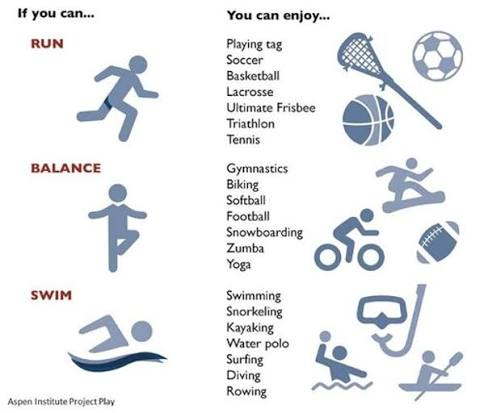
Sports such as football, basketball, swimming, and cycling strengthen the heart and improve blood circulation. Regular physical activity reduces the risk of heart disease, high blood pressure, and stroke while improving overall cardiovascular fitness.
Builds Strength and Endurance
Different sports engage various muscle groups, helping build muscular strength, flexibility, and endurance. Activities like tennis, athletics, and rowing improve body coordination and increase stamina over time.
Helps Maintain a Healthy Weight
Playing sports burns calories and boosts metabolism, making it easier to maintain a healthy body weight. Regular exercise also reduces the risk of obesity and related health conditions such as type 2 diabetes.
Strengthens Bones and Muscles
Weight-bearing sports such as running, football, and volleyball increase bone density and strengthen muscles. This lowers the risk of osteoporosis and muscle injuries as people age.
Improves Flexibility and Balance
Sports that involve stretching, quick movements, and agility improve flexibility, coordination, and balance. These skills are important not only in athletics but also in everyday activities.
Mental Benefits of Playing Sports
Reduces Stress and Anxiety
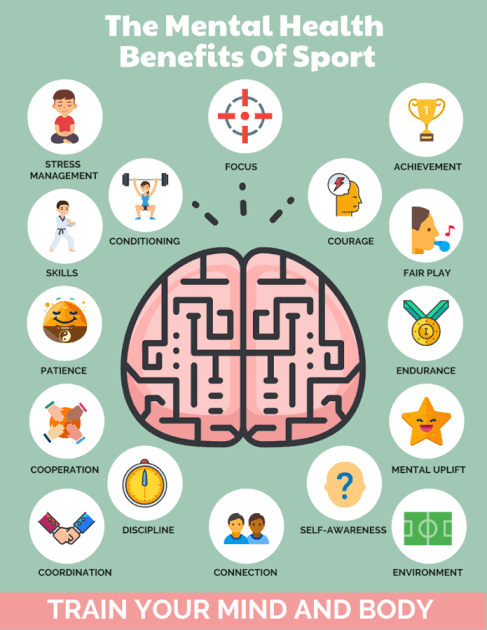
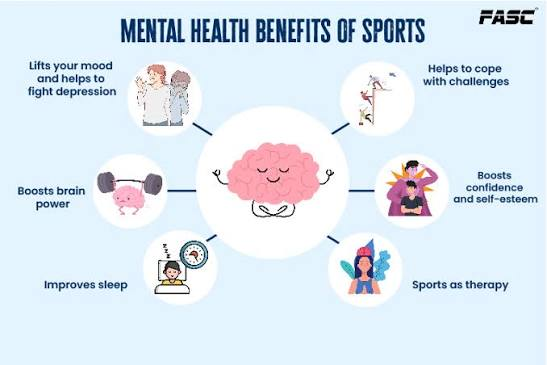
Physical activity stimulates the release of endorphins, often called “feel-good hormones.” These chemicals help reduce stress, anxiety, and tension while promoting relaxation and emotional well-being.
Boosts Self-Confidence
Learning new skills, achieving goals, and improving performance increase self-esteem. Success in sports teaches individuals to believe in their abilities and overcome challenges with confidence.
Improves Concentration and Memory
Sports require focus, quick decision-making, and strategic thinking. Regular participation enhances concentration, memory, and problem-solving skills, benefiting both academic and professional performance.
Encourages Discipline
Athletes learn the importance of following schedules, practicing regularly, and maintaining healthy habits. This discipline often extends to education, careers, and personal responsibilities.
Promotes Emotional Resilience
Winning and losing are natural parts of sports. Athletes develop resilience by learning to handle disappointment, celebrate success with humility, and continue improving despite setbacks.
Social Benefits of Sports
Sports encourage teamwork, communication, leadership, and mutual respect. Team sports help players cooperate toward common goals while building friendships and strengthening social connections. They also teach valuable lessons about fairness, responsibility, and respect for opponents.
Sports and Children’s Development
For children and teenagers, sports contribute significantly to healthy growth and development. Participation improves physical fitness, social interaction, leadership abilities, and time-management skills. Young athletes often perform better academically because sports teach discipline and concentration.
Challenges and Safety
Although sports offer many benefits, injuries can occur if proper precautions are not taken. Wearing protective equipment, following safety guidelines, warming up before exercise, and receiving proper coaching help reduce the risk of injury.
Conclusion
Playing sports is one of the most effective ways to improve both physical and mental health. From strengthening the body to building confidence, discipline, and resilience, sports contribute to a healthier and happier life. Regardless of age or skill level, everyone can benefit from participating in sports regularly. By making sports a part of daily life, individuals can enjoy long-term health, personal growth, and stronger social relationships.