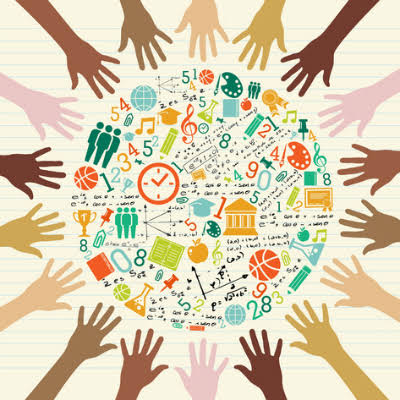
Young people are becoming powerful drivers of change in the 21st century. With access to education, technology, and global communication, today’s youth are leading initiatives that address social, environmental, economic, and technological challenges. Their creativity, energy, and determination are helping shape a more innovative, inclusive, and sustainable future.
What Is Youth Leadership?
Youth leadership is the ability of young people to inspire others, make responsible decisions, and take action to improve their communities and the world. Leadership is not limited to holding official positions—it includes solving problems, volunteering, starting businesses, advocating for important causes, and encouraging positive change.
The Importance of Youth Leadership
Young leaders bring fresh ideas and new perspectives to modern challenges. They are often early adopters of technology and are well-positioned to develop innovative solutions for issues such as climate change, education, healthcare, and digital transformation.
Strong youth leadership also promotes:
- Active citizenship.
- Community development.
- Innovation and entrepreneurship.
- Social responsibility.
- Global understanding and cooperation.
Technology Empowering Young Leaders
Digital platforms have transformed how young people communicate and collaborate. Through social media, online learning, and virtual communities, youth can share ideas, organize campaigns, raise awareness, and connect with people across the world.
Technology has also enabled young entrepreneurs to launch startups, create educational content, and develop solutions that improve lives.
Youth Leading Social and Environmental Change
Many young people are actively involved in projects that focus on:
- Environmental conservation.
- Climate action.
- Community service.
- Education and literacy.
- Public health awareness.
- Mental health advocacy.
- Digital innovation.
Their efforts demonstrate that age does not determine the ability to create meaningful impact.
Skills Every Young Leader Needs
Successful youth leaders develop a combination of personal and professional skills, including:
- Effective communication.
- Critical thinking.
- Problem-solving.
- Teamwork.
- Emotional intelligence.
- Adaptability.
- Time management.
- Ethical decision-making.
These skills prepare young people to lead confidently in an ever-changing world.
Challenges Facing Young Leaders
Despite their potential, many young leaders encounter obstacles such as limited access to funding, lack of mentorship, unemployment, unequal educational opportunities, and limited representation in decision-making processes.
Governments, educational institutions, businesses, and communities can help by providing mentorship programs, leadership training, internships, scholarships, and opportunities for civic participation.
The Future of Youth Leadership
As technology continues to evolve and global challenges become more complex, youth leadership will play an increasingly important role. Future leaders will need to embrace innovation, collaborate across cultures, and develop sustainable solutions that benefit society as a whole.
Conclusion
Youth leadership is one of the greatest assets of the 21st century. By encouraging education, innovation, responsibility, and active participation, societies can empower young people to become confident leaders who create lasting positive change. Investing in youth today means investing in a stronger, more peaceful, and more prosperous future for generations to come.