Introduction
Proper nutrition is essential for students because it directly affects their physical health, mental development, and academic performance. A balanced diet provides the energy and nutrients needed for studying, participating in physical activities, and maintaining overall well-being. Healthy eating habits established during childhood and adolescence can lead to lifelong health benefits and improved quality of life.
Why Nutrition Matters for Students
Students are in a crucial stage of growth and development. Their bodies require a variety of nutrients to support healthy bones, muscles, organs, and brain function. Good nutrition also strengthens the immune system, reducing the risk of illness and helping students maintain regular school attendance.
A nutritious diet improves concentration, memory, and problem-solving skills, making it easier for students to perform well in the classroom.
Essential Nutrients for Students
Carbohydrates
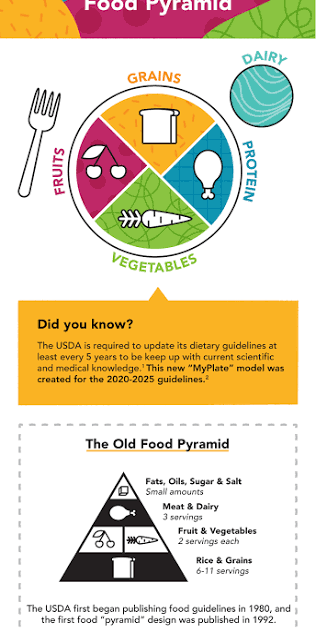
Carbohydrates are the body’s primary source of energy. Whole grains, rice, oats, fruits, and vegetables provide healthy carbohydrates that fuel the brain and body throughout the day.
Proteins
Proteins are essential for growth, tissue repair, and muscle development. Good sources include eggs, fish, chicken, beans, lentils, dairy products, and nuts.
Healthy Fats
Healthy fats support brain development and improve memory. Foods such as avocados, nuts, seeds, olive oil, and fatty fish contain beneficial fats that contribute to overall health.
Vitamins and Minerals
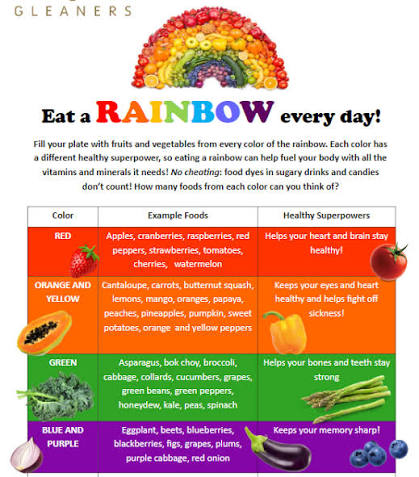
Vitamins and minerals help maintain strong bones, healthy eyesight, and a strong immune system. Fruits, vegetables, dairy products, and whole grains provide many essential nutrients including calcium, iron, vitamin C, and vitamin D.
Water
Hydration is often overlooked but is equally important. Drinking enough water helps maintain concentration, regulate body temperature, and improve physical performance throughout the school day.
The Importance of Breakfast
Breakfast is often called the most important meal of the day. Students who eat a healthy breakfast are more alert, focused, and energetic during classes. A balanced breakfast may include whole-grain bread, eggs, yogurt, fruit, or oatmeal.
Skipping breakfast can lead to fatigue, reduced concentration, and poor academic performance.
Healthy Snacking
Healthy snacks help students maintain energy between meals. Instead of sugary snacks and soft drinks, students should choose healthier options such as:
- Fresh fruits
- Yogurt
- Nuts and seeds
- Whole-grain crackers
- Vegetable sticks
- Smoothies
Nutritious snacks help prevent overeating and provide important vitamins and minerals.
Foods to Limit
Students should reduce their consumption of:
- Sugary drinks
- Fast food
- Processed snacks
- Excessive sweets
- High-sodium foods
Eating these foods frequently can contribute to weight gain, poor concentration, and long-term health problems.
Healthy Eating Habits
Developing good eating habits is just as important as choosing healthy foods. Students should:
- Eat balanced meals every day.
- Avoid skipping meals.
- Drink plenty of water.
- Include fruits and vegetables in every meal.
- Control portion sizes.
- Eat slowly and mindfully.
These habits support both physical health and academic success.
Role of Parents and Schools
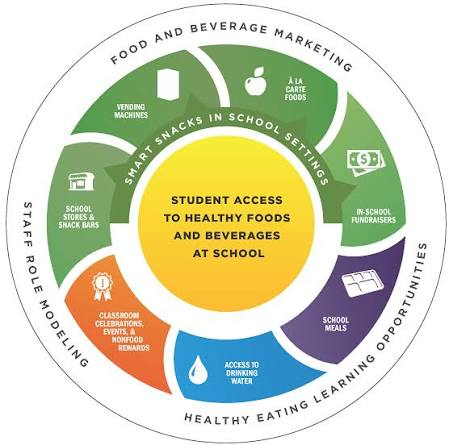
Parents and schools play an important role in encouraging healthy eating. Families can prepare nutritious meals at home, while schools can provide healthy cafeteria options and educate students about nutrition through health education programs.
Working together helps create lifelong healthy eating habits.
Conclusion
Good nutrition is the foundation of student success. A balanced diet improves concentration, strengthens the immune system, supports healthy growth, and enhances academic performance. By making healthy food choices and developing positive eating habits, students can build a healthier future and reach their full potential.