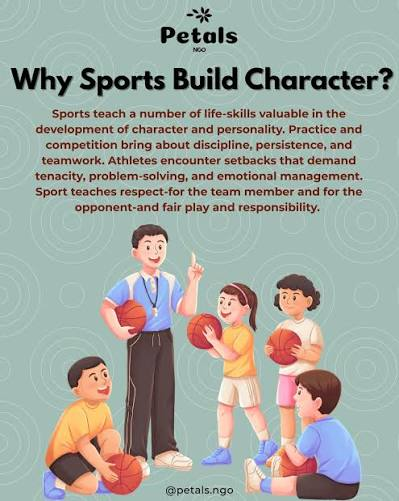
Sports are much more than games played for entertainment or competition. They are powerful tools for personal growth, teaching valuable life lessons that extend far beyond the playing field. Whether someone participates in football, basketball, cricket, athletics, or any other sport, they develop qualities such as discipline, perseverance, teamwork, respect, and leadership. These characteristics help individuals succeed not only in sports but also in school, the workplace, and everyday life.
The Meaning of Character and Discipline
Character refers to the values and moral qualities that define a person’s behavior. Honesty, integrity, kindness, responsibility, and respect are all important aspects of strong character. Discipline, on the other hand, is the ability to stay focused, follow rules, manage time wisely, and continue working toward goals even when faced with challenges.
Sports provide an ideal environment for developing both character and discipline because athletes constantly face situations that test their determination, patience, and decision-making.
Learning the Value of Hard Work
Success in sports rarely happens overnight. Athletes must train consistently, improve their skills, and overcome setbacks through dedication and effort. Regular practice teaches that achievement comes from persistence rather than luck.
This lesson carries over into everyday life. Students learn to study more effectively, professionals become more committed to their work, and individuals develop the confidence to pursue long-term goals through steady effort.
Developing Self-Discipline
Every athlete follows a routine that includes training, proper nutrition, adequate rest, and time management. Maintaining these habits requires self-control and commitment.
Self-discipline developed through sports helps individuals:
- Stay focused on their goals.
- Manage their time effectively.
- Avoid unhealthy habits.
- Build productive daily routines.
- Maintain consistency even when motivation is low.
These skills are valuable in education, careers, and personal development.
Building Resilience Through Challenges
Winning is rewarding, but losing often provides the greatest lessons. Athletes learn that setbacks are temporary and that improvement comes through learning from mistakes. Every defeat becomes an opportunity to grow stronger.
This resilience helps people handle life’s disappointments with confidence and determination instead of giving up when faced with obstacles.
Teaching Teamwork and Cooperation
Many sports require players to work together toward a shared objective. Success depends on communication, trust, and supporting teammates rather than focusing only on individual achievements.
Through teamwork, athletes learn to:
- Respect different opinions.
- Communicate effectively.
- Accept responsibility.
- Encourage others.
- Celebrate collective success.
These qualities strengthen relationships in schools, workplaces, and communities.
Respect for Rules and Fair Play
Sports teach participants to follow rules, respect officials, and compete honestly. Good sportsmanship means accepting both victory and defeat with dignity while treating opponents with fairness and respect.
Learning to follow rules and demonstrate integrity helps individuals become responsible citizens who value honesty and ethical behavior.
Developing Leadership Skills
Sports create many opportunities for leadership. Team captains and experienced players motivate teammates, make important decisions, and set positive examples through their actions.
Leadership developed in sports includes:
- Confidence under pressure.
- Effective communication.
- Problem-solving abilities.
- Responsibility.
- The ability to inspire others.
These leadership qualities are highly valued in professional and personal life.
Improving Confidence and Mental Strength
As athletes improve their abilities through practice, they gain confidence in their potential. Achieving goals, overcoming challenges, and contributing to team success build strong self-belief.
Sports also improve mental toughness by teaching athletes to stay calm under pressure, maintain focus during difficult moments, and recover quickly from setbacks.
Creating Healthy Habits for Life
Participation in sports encourages an active lifestyle, balanced nutrition, and regular exercise. These healthy habits reduce the risk of many diseases while improving physical fitness, mental health, and overall well-being.
People who participate in sports often continue valuing health and fitness throughout adulthood.
The Lasting Impact of Sports
The lessons learned through sports remain valuable long after an athlete leaves the field. Discipline helps people achieve their goals, while strong character builds trust, meaningful relationships, and lasting success. Employers, educators, and communities all value individuals who demonstrate responsibility, perseverance, and teamwork.
Conclusion
Sports are one of the most effective ways to build character and discipline. They teach the importance of hard work, resilience, teamwork, respect, leadership, and self-control while promoting physical and mental well-being. Whether played professionally or recreationally, sports prepare individuals to face life’s challenges with confidence, integrity, and determination. The lessons learned through sports become lifelong strengths that contribute to success both on and off the field.