Introduction
Peace is the foundation of progress, allowing nations to grow economically, socially, and culturally. However, conflicts, civil wars, and political instability continue to threaten many parts of the world. In such situations, international organizations play a crucial role in promoting peace, protecting civilians, and supporting countries affected by violence. By bringing nations together and encouraging cooperation, these organizations help create a more stable and secure world.
What Are International Organizations?
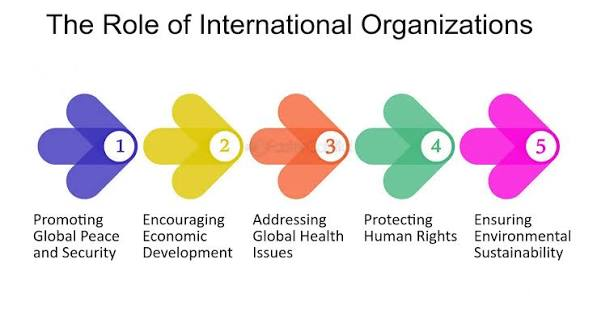
International organizations are institutions formed by multiple countries to work toward shared goals. Their missions often include promoting peace, protecting human rights, supporting humanitarian efforts, improving global health, and encouraging sustainable development. They provide a platform where countries can discuss challenges, negotiate solutions, and cooperate instead of resorting to conflict.
Peacekeeping Missions
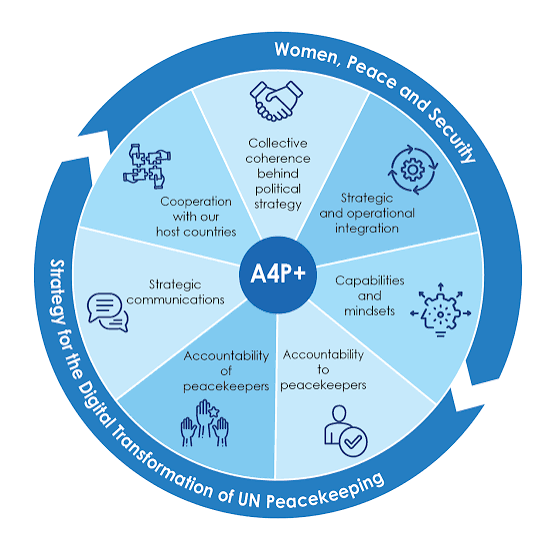
One of the primary responsibilities of international organizations is peacekeeping. Peacekeeping operations are deployed in regions experiencing conflict to help maintain ceasefires, protect civilians, and create conditions for lasting peace. Peacekeepers may include military personnel, police officers, and civilian experts who work together to reduce violence and restore stability.
Their responsibilities often include:
- Monitoring ceasefire agreements.
- Protecting civilians from violence.
- Assisting with disarmament and demobilization.
- Supporting democratic elections.
- Helping rebuild government institutions.
- Facilitating humanitarian assistance.
Conflict Prevention
Preventing conflict before it begins is one of the most effective ways to maintain global peace. International organizations engage in diplomacy, mediation, and negotiations to resolve disputes between countries or groups. Early intervention can prevent disagreements from escalating into armed conflict, saving countless lives and reducing economic damage.
Humanitarian Assistance
Wars and conflicts often leave millions of people without food, shelter, healthcare, and education. International organizations coordinate humanitarian aid by delivering emergency supplies, supporting refugee camps, providing medical assistance, and helping displaced families rebuild their lives.
Humanitarian workers also focus on protecting vulnerable groups, including children, women, and the elderly, ensuring they receive the support they need during crises.
Supporting Post-Conflict Recovery
Peacekeeping does not end when fighting stops. Long-term peace requires rebuilding infrastructure, restoring public services, strengthening legal institutions, and promoting reconciliation among communities.
International organizations assist countries by:
- Supporting judicial reforms.
- Encouraging democratic governance.
- Rebuilding schools and hospitals.
- Promoting economic development.
- Training local security forces.
- Encouraging dialogue among former adversaries.
Promoting Human Rights
Protecting human rights is essential for sustainable peace. International organizations monitor human rights conditions, investigate violations, and encourage governments to respect international laws. They also support education programs that promote equality, justice, and tolerance.
Challenges Faced by Peacekeeping Organizations
Despite their valuable contributions, peacekeeping organizations face several challenges:
- Limited financial resources.
- Political disagreements among member states.
- Complex and prolonged conflicts.
- Security risks for peacekeepers.
- Limited cooperation from conflicting parties.
- Humanitarian access restrictions.
These challenges can make peacekeeping missions difficult, requiring patience, cooperation, and international commitment.
The Importance of Global Cooperation
Peace cannot be achieved by one country alone. International cooperation allows nations to share resources, intelligence, expertise, and diplomatic efforts. Strong partnerships between governments, humanitarian agencies, and international organizations increase the chances of resolving conflicts peacefully.
Conclusion
International organizations remain essential pillars of global peace and security. Through peacekeeping missions, humanitarian assistance, conflict prevention, and support for post-conflict recovery, they help reduce violence and promote stability across the world. Although many challenges remain, continued international cooperation and commitment to peaceful solutions can build a safer and more prosperous future for everyone.