Introduction
Collaborative learning is a teaching and learning approach in which students work together in pairs or groups to achieve shared academic goals. Instead of studying alone, learners exchange ideas, solve problems collectively, and support one another throughout the learning process. This approach encourages active participation, improves understanding, and develops valuable life skills. In today’s rapidly changing world, collaborative learning has become an essential part of modern education, preparing students for both academic success and professional careers.
What Is Collaborative Learning?
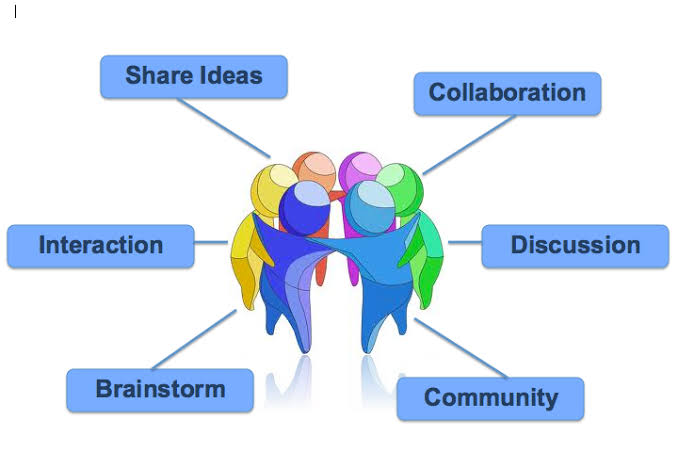
Collaborative learning involves students working together on projects, discussions, research, presentations, and problem-solving activities. Each member contributes unique ideas, knowledge, and experiences, creating a richer and more engaging learning environment. Teachers guide the process by encouraging participation, facilitating discussions, and ensuring that every student has the opportunity to contribute.
This method promotes learning through interaction rather than passive listening, making education more meaningful and enjoyable.
Academic Benefits
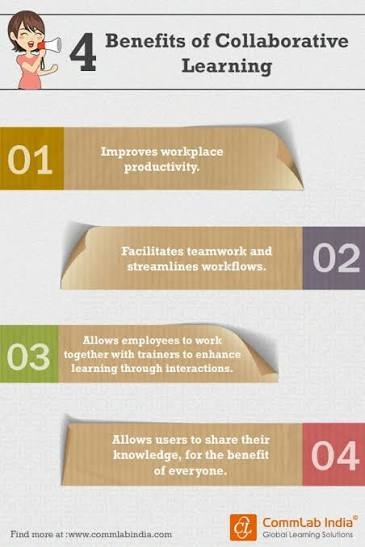
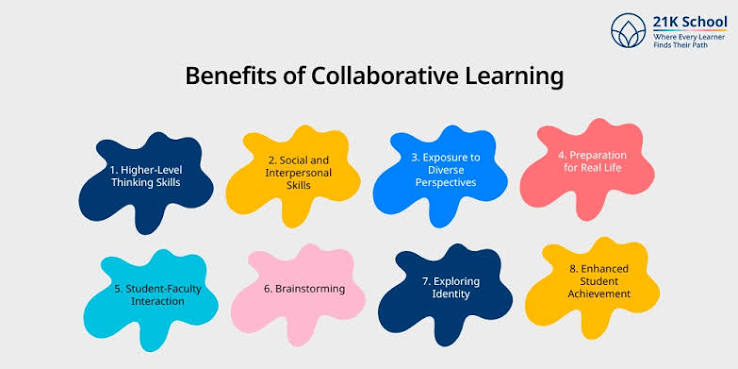
One of the greatest advantages of collaborative learning is improved academic performance. Students often understand concepts better when they explain ideas to classmates or hear different perspectives. Group discussions encourage deeper thinking and help learners remember information for longer periods.
Collaborative learning also enhances critical thinking and problem-solving skills. Working together allows students to analyze situations from multiple viewpoints, evaluate solutions, and make informed decisions.
Developing Essential Life Skills
Beyond academic achievement, collaborative learning helps students develop important personal and professional skills. Teamwork teaches responsibility, cooperation, and respect for diverse opinions. Students improve their communication abilities by expressing ideas clearly, listening actively, and providing constructive feedback.
Leadership skills also develop as students take responsibility for organizing tasks, motivating teammates, and managing group activities. These abilities are highly valued in universities and workplaces where collaboration is essential.
The Role of Technology
Technology has expanded opportunities for collaborative learning beyond the traditional classroom. Online learning platforms, video conferencing, cloud-based document sharing, discussion forums, and educational apps allow students to collaborate from different locations. These digital tools encourage real-time communication, resource sharing, and teamwork, making learning more flexible and accessible.
Artificial intelligence is also supporting collaborative learning by providing personalized feedback, organizing group assignments, and helping teachers monitor student participation and progress.
Challenges of Collaborative Learning
Although collaborative learning offers many benefits, it also presents certain challenges. Unequal participation, communication barriers, scheduling conflicts, and disagreements among group members can affect the learning experience. These challenges can be minimized by assigning clear responsibilities, setting group expectations, encouraging respectful communication, and ensuring that every member contributes fairly.
Teachers play an important role in guiding groups, resolving conflicts, and creating an inclusive learning environment where all students feel valued.
Why Collaborative Learning Matters
In today’s interconnected world, success often depends on the ability to work effectively with others. Collaborative learning prepares students for future careers by developing teamwork, adaptability, creativity, and interpersonal skills. It encourages lifelong learning by helping students appreciate different perspectives and build confidence in sharing their ideas.
Educational institutions that promote collaboration create environments where students become active learners rather than passive recipients of information.
Conclusion
Collaborative learning is a powerful educational strategy that improves academic achievement while developing essential life skills. By working together, students strengthen their communication, critical thinking, leadership, and problem-solving abilities. As education continues to evolve with technology, collaborative learning will remain a key approach for preparing learners to succeed in school, the workplace.