Introduction
Plastic has become an essential part of modern life because it is lightweight, durable, and inexpensive. However, the widespread use of single-use plastics has created one of the world’s most serious environmental challenges. Millions of tons of plastic waste enter landfills, rivers, and oceans each year, harming wildlife, polluting ecosystems, and threatening human health. Innovation is playing a crucial role in developing new solutions that reduce plastic pollution and create a cleaner, more sustainable future.
Understanding Plastic Pollution
Plastic pollution occurs when plastic waste is improperly disposed of and accumulates in the environment. Since many plastics take hundreds of years to decompose, they remain in nature for generations. Marine animals often mistake plastic for food, leading to injury or death, while tiny plastic particles, known as microplastics, have been found in water, soil, and even the food chain.
Growing populations and increased consumption have made plastic waste management more challenging, highlighting the need for innovative solutions.
Innovative Solutions
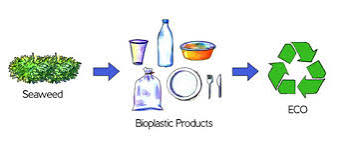
Scientists and engineers are developing biodegradable and compostable materials that can replace traditional plastics in packaging and consumer products. These alternatives break down more naturally, reducing long-term environmental damage.
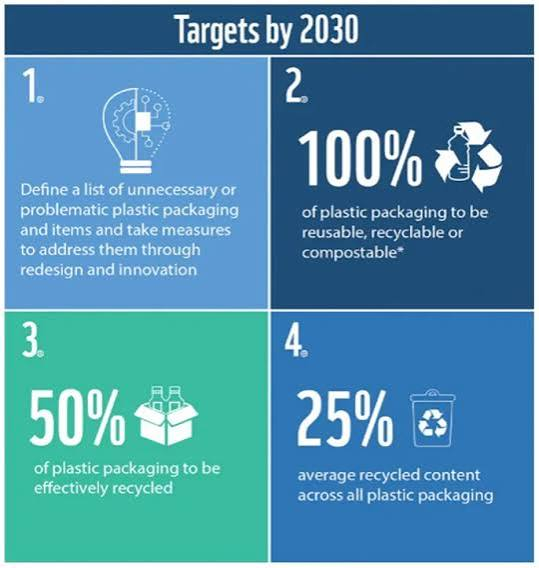
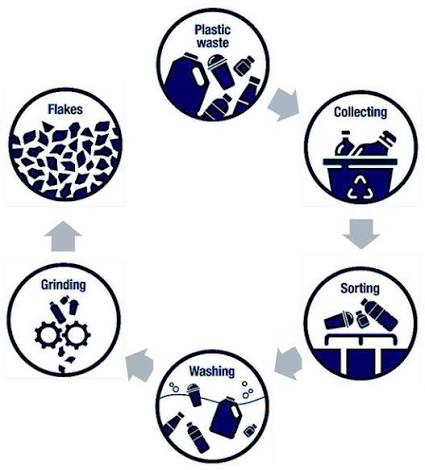
Advanced recycling technologies are also improving the way plastic waste is processed. Chemical recycling methods can convert used plastics into raw materials for manufacturing new products, reducing the demand for virgin plastic.
Artificial intelligence and smart waste management systems are helping cities identify recyclable materials more efficiently, optimize waste collection routes, and improve recycling rates.
Many companies are redesigning packaging to use less plastic or replace it with paper, glass, plant-based materials, or reusable containers. Refillable packaging systems and circular economy models encourage consumers to reuse products instead of discarding them after a single use.
The Role of Individuals and Communities
Innovation alone cannot solve plastic pollution. Individuals can contribute by reducing single-use plastics, carrying reusable shopping bags and water bottles, recycling properly, and supporting businesses that use sustainable packaging.
Communities can organize clean-up campaigns, promote environmental education, and encourage local recycling initiatives. Schools and organizations can also raise awareness about responsible waste management and environmental conservation.
Looking Ahead
The future of reducing plastic pollution depends on collaboration between governments, businesses, researchers, and consumers. Continued investment in sustainable materials, recycling technologies, and environmentally friendly product design will help reduce plastic waste and protect ecosystems.
International cooperation and stronger environmental policies will also play an important role in creating a world with less plastic pollution.
Conclusion
Reducing plastic pollution requires both innovation and individual responsibility. By developing sustainable materials, improving recycling systems, and encouraging responsible consumption, society can significantly reduce the environmental impact of plastic waste. Together, technological advancements and everyday actions can create a cleaner, healthier, and more sustainable planet for future generations.