Introduction
An inclusive community is one where every individual is respected, valued, and given equal opportunities to participate regardless of their background, age, gender, ethnicity, religion, or ability. Inclusive communities promote unity, encourage diversity, and create environments where everyone feels safe and welcome. Building such communities is essential for social harmony, economic growth, and sustainable development.
Understanding Inclusion
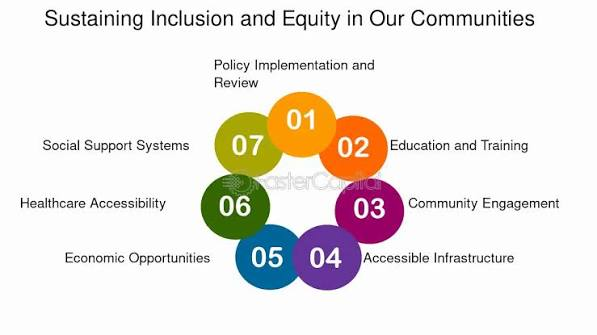
Inclusion means ensuring that everyone has a voice and the opportunity to contribute. It involves removing barriers that prevent people from accessing education, employment, healthcare, and public services. Inclusive communities celebrate differences and recognize diversity as a source of strength rather than division.
Benefits of Inclusive Communities
Inclusive communities offer many advantages. They strengthen social relationships, reduce discrimination, and encourage cooperation among people from different backgrounds. When everyone has equal opportunities, communities become more innovative, productive, and resilient. Inclusion also improves mental well-being by creating a sense of belonging and mutual respect.
The Role of Education
Education plays a key role in promoting inclusion. Schools and universities can teach students about respect, equality, empathy, and cultural understanding. Inclusive classrooms help learners appreciate diversity while preparing them to become responsible and compassionate citizens.
Community Participation
Every member of society can contribute to building inclusive communities. Volunteering, supporting local organizations, participating in community events, and helping vulnerable groups strengthen social bonds. Businesses can also promote inclusion by providing equal employment opportunities and creating accessible workplaces.
Challenges to Inclusion
Despite progress, many communities still face challenges such as discrimination, social inequality, poverty, and limited access to essential services. Overcoming these barriers requires cooperation between governments, community leaders, businesses, and citizens.
Conclusion
Building inclusive communities is a shared responsibility that benefits everyone. By promoting equality, respecting diversity, and encouraging active participation, societies can create stronger, more peaceful, and more prosperous communities. Inclusion is not only a social value but also a foundation for sustainable development and long-term success.