Introduction
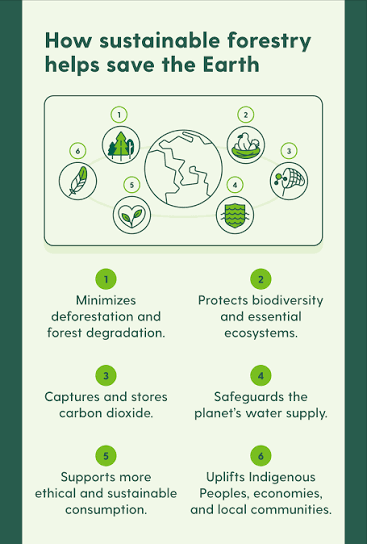
Forests are among the Earth’s most valuable natural resources. They provide oxygen, absorb carbon dioxide, protect wildlife, regulate the climate, and support millions of people’s livelihoods. However, deforestation continues to threaten these vital ecosystems due to logging, agricultural expansion, urban development, and illegal land clearing. Protecting forests is essential for maintaining biodiversity and ensuring a sustainable future.
Causes of Deforestation
Deforestation occurs for several reasons. Large areas of forest are cleared for farming, livestock grazing, mining, and infrastructure development. Illegal logging and uncontrolled forest fires also contribute significantly to forest loss. These activities destroy habitats and reduce the Earth’s ability to absorb carbon emissions.
Environmental Impacts
The destruction of forests leads to soil erosion, disrupted water cycles, loss of biodiversity, and increased greenhouse gas emissions. Many plant and animal species face extinction as their natural habitats disappear. Deforestation also contributes to climate change by reducing the number of trees that absorb carbon dioxide from the atmosphere.
Economic and Social Importance
Forests provide food, medicine, timber, and employment for millions of people around the world. Indigenous communities often depend on forests for their culture, traditions, and livelihoods. Sustainable forest management helps balance economic development with environmental protection.
Solutions to Reduce Deforestation
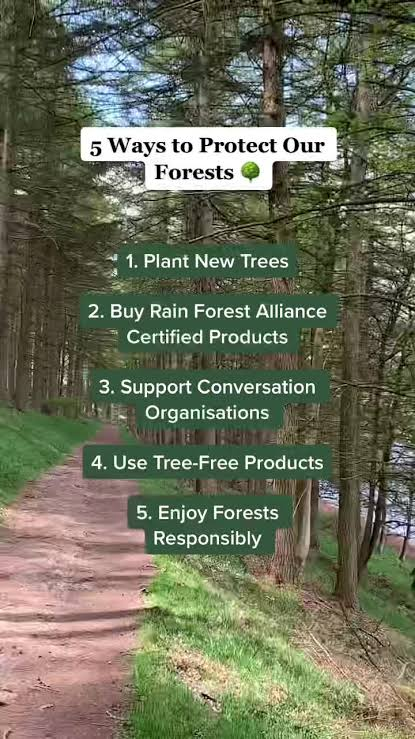
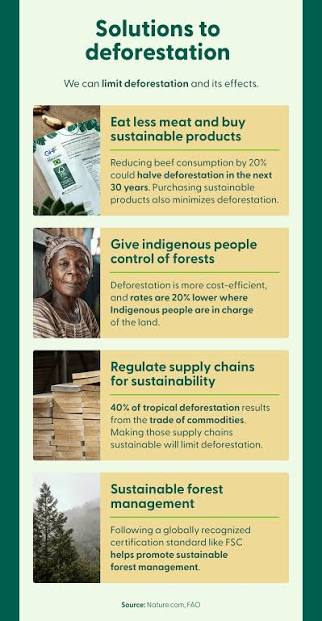
Governments can strengthen laws against illegal logging, establish protected forest areas, and encourage sustainable land management. Reforestation and afforestation projects help restore damaged ecosystems. Businesses can adopt responsible sourcing practices, while consumers can support certified sustainable products and reduce paper and wood waste.
Community Involvement
Local communities play an essential role in forest conservation. Tree-planting campaigns, environmental education, and volunteer conservation projects encourage people to protect natural resources. Raising awareness among young people helps build long-term commitment to preserving forests.
Conclusion
Protecting forests from deforestation is crucial for the health of the planet and future generations. By conserving existing forests, planting new trees, enforcing environmental laws, and promoting sustainable practices, individuals and governments can work together to preserve these valuable ecosystems. Healthy forests are essential for a stable climate, rich biodiversity, and a sustainable future.