Introduction
As the world’s population continues to grow, so does the demand for energy. Traditional energy sources such as coal, oil, and natural gas have powered economies for decades, but they also contribute to pollution and climate change. Renewable energy offers a cleaner and more sustainable alternative by using natural resources that are continuously replenished. Investing in renewable energy is essential for creating a healthier planet and ensuring a stable energy supply for future generations.
What Is Renewable Energy?
Renewable energy comes from natural sources that are constantly renewed, including sunlight, wind, water, geothermal heat, and biomass. Unlike fossil fuels, these energy sources produce little or no greenhouse gas emissions during operation, making them environmentally friendly.
Types of Renewable Energy
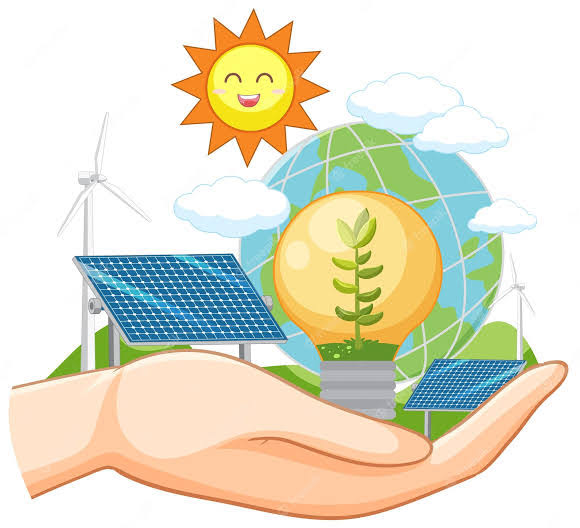
Solar energy uses sunlight to generate electricity through solar panels. Wind energy converts the movement of air into electricity using wind turbines. Hydropower generates electricity from flowing water, while geothermal energy harnesses heat from beneath the Earth’s surface. Biomass energy uses organic materials such as agricultural waste and wood to produce heat and electricity.
Benefits of Renewable Energy
Renewable energy helps reduce air pollution and greenhouse gas emissions, improving both environmental and public health. It also decreases dependence on imported fossil fuels, strengthens energy security, and creates new jobs in manufacturing, installation, and maintenance. As technology advances, renewable energy systems are becoming more efficient and affordable.
Challenges
Despite its many advantages, renewable energy faces several challenges. Weather conditions can affect the production of solar and wind power, while the installation of renewable energy infrastructure often requires significant initial investment. Expanding energy storage systems and modernizing power grids are important steps toward overcoming these limitations.
The Role of Governments and Individuals
Governments can encourage renewable energy by investing in clean energy projects, supporting research, and implementing policies that promote sustainable development. Individuals can contribute by using energy-efficient appliances, installing rooftop solar panels where possible, reducing energy waste, and supporting environmentally responsible initiatives.
Conclusion
Renewable energy is one of the most effective solutions for building a sustainable future. By embracing clean energy technologies and promoting responsible energy use, societies can reduce environmental damage, improve economic resilience, and provide reliable energy for generations to come. The transition to renewable energy is not only an environmental necessity but also an opportunity for global progress.
