Introduction
Blockchain technology first gained global attention as the foundation of cryptocurrencies such as Bitcoin. However, its potential extends far beyond digital currencies. Today, blockchain is being used across industries to improve transparency, security, and efficiency. As businesses and governments continue to adopt this technology, blockchain is becoming a powerful tool for innovation.
What Is Blockchain?
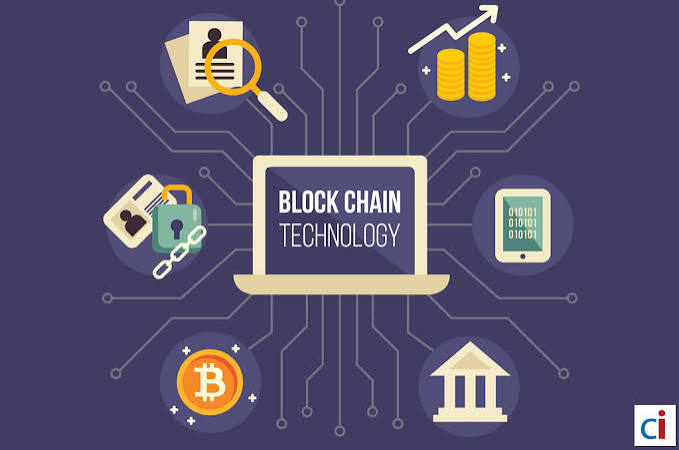
Blockchain is a decentralized digital ledger that records transactions across multiple computers. Once information is added, it is extremely difficult to alter, making the system secure and trustworthy. Every transaction is verified by the network, reducing the need for intermediaries.
Supply Chain Management
One of the most valuable uses of blockchain is in supply chain management. Companies can track products from manufacturing to delivery, ensuring authenticity and reducing fraud. Consumers also benefit by knowing where products come from and how they were produced.
Healthcare
Blockchain can securely store medical records while giving patients greater control over their personal health information. Hospitals and healthcare providers can share accurate data safely, improving patient care and reducing administrative errors.
Banking and Finance
Although blockchain supports cryptocurrencies, it also improves traditional financial services. Banks can process payments more quickly, reduce transaction costs, and strengthen security. Cross-border transfers become faster and more efficient through blockchain-based systems.
Education
Educational institutions can use blockchain to issue secure digital certificates and academic records. Employers can easily verify qualifications, reducing document fraud and simplifying the hiring process.
Government Services
Governments are exploring blockchain for secure digital identities, transparent public records, voting systems, and land registration. These applications can increase public trust, reduce corruption, and improve the delivery of government services.
Challenges
Despite its advantages, blockchain faces challenges such as high implementation costs, energy consumption in some blockchain networks, regulatory uncertainty, and the need for common technical standards. Continued innovation is helping address these issues.
Conclusion
Blockchain is much more than the technology behind cryptocurrency. Its ability to provide secure, transparent, and tamper-resistant records makes it valuable in healthcare, education, finance, supply chain management, and government services. As adoption grows, blockchain is expected to play a major role in shaping the digital economy and creating more trustworthy systems worldwide.