Introduction
The Internet of Things (IoT) is transforming the way people live, work, and interact with technology. IoT refers to a network of physical devices connected to the internet that can collect, share, and analyze data. From smart homes to wearable fitness trackers, IoT has become an essential part of daily life, making everyday tasks more convenient, efficient, and secure.
Smart Homes
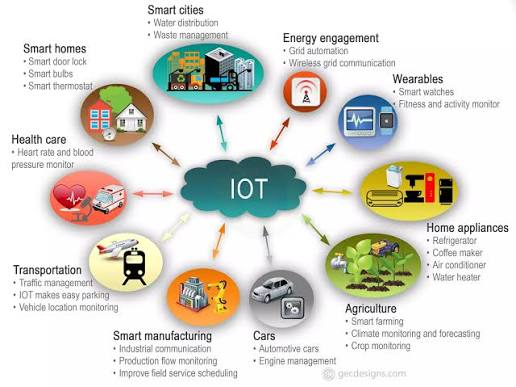
One of the most common applications of IoT is the smart home. Connected devices such as smart lights, thermostats, security cameras, and voice assistants allow homeowners to control their homes remotely using smartphones or voice commands. These technologies improve comfort, save energy, and enhance home security.
Healthcare and Wellness
IoT has significantly improved healthcare through wearable devices that monitor heart rate, blood pressure, sleep patterns, and physical activity. These devices help people maintain healthier lifestyles while allowing healthcare professionals to monitor patients remotely and respond quickly to potential health concerns.
Transportation
Modern transportation systems also benefit from IoT technology. Connected vehicles provide real-time navigation, traffic updates, and safety alerts. Public transportation systems use IoT to improve scheduling, reduce delays, and offer passengers accurate travel information.
Smart Cities
Cities around the world are using IoT to improve public services. Smart traffic lights reduce congestion, intelligent waste management systems optimize garbage collection, and environmental sensors monitor air quality. These innovations help create cleaner, safer, and more efficient urban environments.
Business and Industry
Businesses use IoT to improve productivity by monitoring equipment, tracking inventory, and automating routine processes. Manufacturers use connected sensors to detect maintenance needs before machines fail, reducing downtime and increasing efficiency.
Challenges of IoT
Despite its many advantages, IoT also presents challenges. Protecting personal data, ensuring cybersecurity, and maintaining reliable internet connectivity are essential for the safe use of connected devices. Governments and technology companies continue to develop stronger security measures to address these concerns.
Conclusion
The Internet of Things is reshaping everyday life by connecting devices that make homes smarter, healthcare more effective, transportation more efficient, and businesses more productive. As technology continues to advance, IoT will play an even greater role in improving convenience, sustainability, and quality of life across the world.