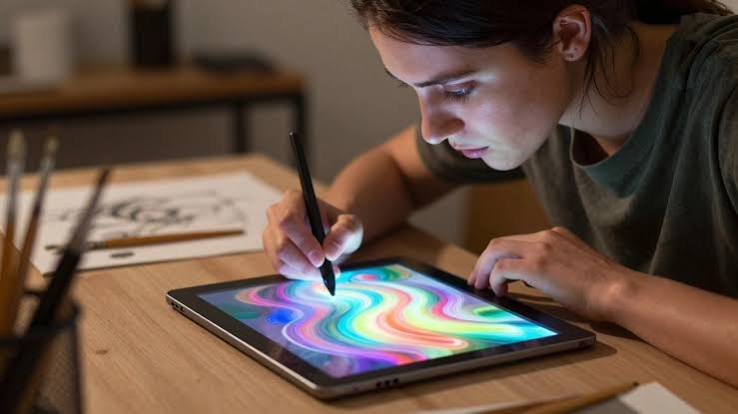
Real-time rendering is revolutionizing the world of digital art by allowing artists to view changes instantly as they create. Unlike traditional rendering methods that require long processing times, real-time rendering displays lighting, textures, shadows, and animations immediately. This technological advancement is transforming industries such as gaming, animation, architecture, filmmaking, and virtual reality.
Understanding Real-Time Rendering
Rendering is the process of generating a final image from a digital model. Traditional rendering often takes several minutes or even hours to produce a single high-quality frame. Real-time rendering dramatically reduces this delay by updating visuals instantly as artists make changes.
This immediate feedback allows creators to experiment freely and refine their work more efficiently.
Faster Creative Workflows
One of the greatest advantages of real-time rendering is speed. Artists no longer need to wait for lengthy render times before evaluating their designs. They can adjust lighting, camera angles, materials, and animations while instantly seeing the results.
This faster workflow improves creativity, reduces production costs, and accelerates project completion.
Transforming Multiple Industries
Real-time rendering has become an essential technology across many creative fields:
- Video game development
- Animated films
- Architectural visualization
- Product design
- Virtual Reality (VR)
- Augmented Reality (AR)
- Automotive design
- Interactive education
Architects can provide virtual building tours before construction begins, while game developers can create immersive worlds with highly realistic graphics.
Enhancing Artistic Freedom
Because artists receive immediate visual feedback, they are encouraged to experiment with different styles, lighting effects, textures, and compositions. This freedom leads to greater innovation and more visually engaging artwork.
Modern rendering engines also support realistic reflections, global illumination, advanced physics simulations, and cinematic visual effects.
The Future of Real-Time Rendering
Emerging technologies such as artificial intelligence, ray tracing, and cloud computing continue to improve real-time rendering capabilities. Future software will deliver even higher levels of realism while requiring less computing power, making advanced digital art creation more accessible to creators around the world.
As virtual production and immersive media continue to grow, real-time rendering will become an increasingly important part of the creative process.
Conclusion
Real-time rendering is changing digital art by making creative workflows faster, more interactive, and highly efficient. By providing instant visual feedback and realistic graphics, it empowers artists to innovate with confidence and produce stunning digital experiences. As technology continues to evolve, real-time rendering will remain one of the most influential tools shaping the future of digital creativity.