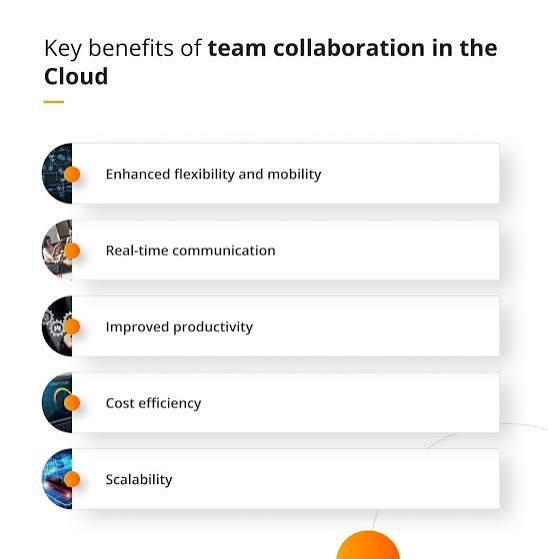
The creative industry has undergone a major transformation with the rise of cloud collaboration. Designers, illustrators, animators, photographers, and video editors no longer need to work in the same office to create exceptional projects. Cloud-based platforms allow creative teams to collaborate in real time, share files instantly, and streamline workflows regardless of location. As remote and hybrid work become increasingly common, cloud collaboration has become an essential part of modern digital creativity.
What Is Cloud Collaboration?
Cloud collaboration refers to the use of internet-based platforms that enable multiple people to access, edit, and manage creative projects simultaneously. Instead of sending files back and forth through email, team members work from a shared online workspace where updates are automatically synchronized.
This approach improves communication, reduces confusion, and ensures everyone is working on the latest version of a project.
Improving Teamwork and Productivity
Cloud technology allows designers, writers, developers, and project managers to collaborate more efficiently. Team members can leave comments, suggest revisions, approve designs, and track project progress without lengthy meetings or file transfers.
This faster communication shortens production timelines and helps teams meet deadlines while maintaining high-quality work.
Supporting Remote and Global Teams
Creative professionals are increasingly working with clients and colleagues from different countries. Cloud collaboration removes geographical barriers by providing secure access to project files from anywhere with an internet connection.
Whether a designer is in London, an animator is in Tokyo, or a client is in New York, everyone can contribute to the same project in real time.
Better File Management and Security
Cloud storage provides organized file management with automatic backups and version history. If mistakes occur, teams can restore previous versions without losing valuable work. Secure permissions also ensure that only authorized users can view or edit sensitive projects.
These features reduce the risk of data loss while improving overall project organization.
The Future of Creative Collaboration
As artificial intelligence, cloud computing, and automation continue to evolve, creative collaboration will become even more efficient. AI-powered project management, automatic asset organization, and intelligent workflow recommendations will help teams spend less time on administrative tasks and more time creating innovative work.
Businesses that embrace cloud collaboration will be better equipped to adapt to changing creative demands.
Conclusion
Cloud collaboration has transformed the way creative teams work together. By enabling real-time communication, secure file sharing, and seamless teamwork across different locations, cloud technology is helping artists and designers produce better work faster than ever before. As digital creativity continues to expand, cloud collaboration will remain a key driver of innovation and success.