Introduction
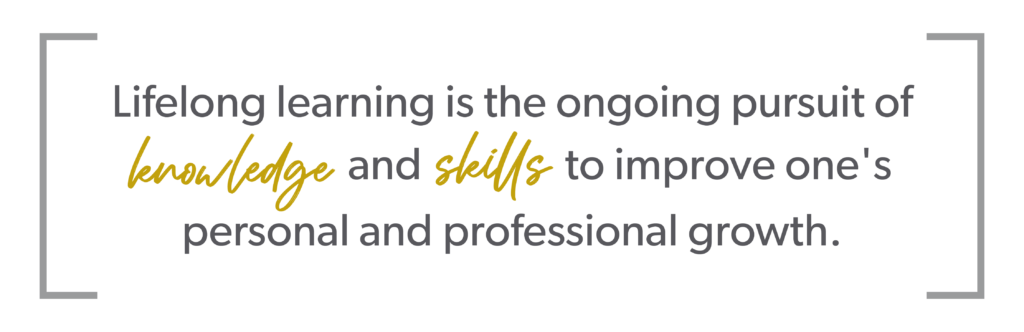
Learning is a continuous process that extends beyond formal education. In today’s rapidly changing world, knowledge and skills become outdated quickly due to technological advancements, globalization, and evolving workplace demands. Lifelong learning refers to the ongoing pursuit of knowledge, skills, and personal development throughout an individual’s life. It enables people to adapt to change, improve their abilities, and remain competitive in both their personal and professional lives. As society continues to evolve, lifelong learning has become an essential component of success and growth.
Understanding Lifelong Learning
Lifelong learning is the continuous acquisition of knowledge and skills for personal, social, and professional development. It can occur through formal education, training programs, workshops, online courses, reading, self-study, and everyday experienes.
Unlike traditional education, which often ends after graduation, lifelong learning encourages individuals to continue learning throughout their lives.
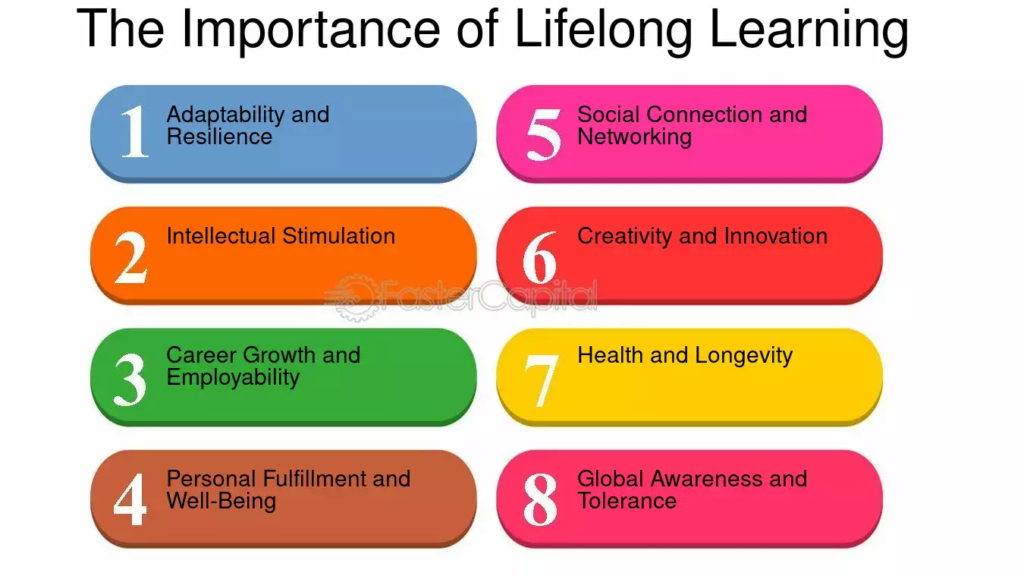
Importance of Lifelong Learning
1. Adapting to Change
Technology and innovation are transforming industries and workplaces at an unprecedented rate. Lifelong learning helps individuals stay updated with new developments and adapt to changing environments.
2. Career Development
Continuous learning enhances professional skills and increases employment opportunities. Employers value individuals who are willing to learn and improve their abilities. Lifelong learning helps workers remain competitive and advance in their careers.
3. Personal Growth
Learning new skills and acquiring knowledge contribute to personal development. It increases self-confidence, broadens perspectives, and encourages intellectual curiosity.
4. Improved Problem-Solving Skills
Lifelong learners develop critical thinking and problem-solving abilities. These skills help individuals make informed decisions and effectively address challenges in their personal and professional lives.
5. Social and Community Engagement
Education promotes active participation in society. Lifelong learning helps individuals understand social issues, engage in community activities, and contribute positively to society.
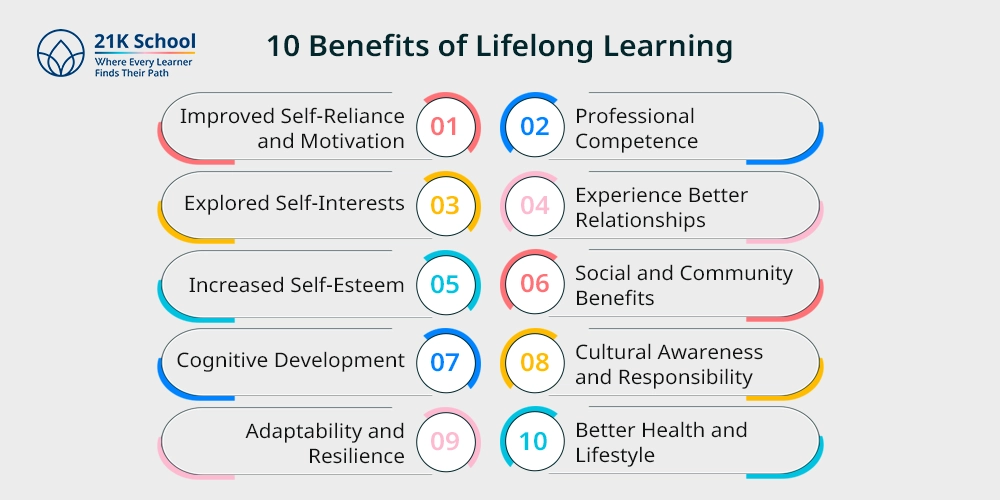
Benefits of Lifelong Learning
- Enhances knowledge and skills.
- Increases career opportunities.
- Improves adaptability and flexibility.
- Boosts self-confidence and motivation.
- Encourages creativity and innovation.
- Supports personal and professional success.
- Promotes lifelong personal fulfillment.
Challenges to Lifelong Learning
Despite its benefits, some individuals face barriers to lifelong learning, including:
- Limited time due to work and family responsibilities.
- Financial constraints.
- Lack of access to educational resources.
- Fear of change or failure.
However, modern technology, online learning platforms, and flexible educational opportunities have made lifelong learning more accessible than ever before.
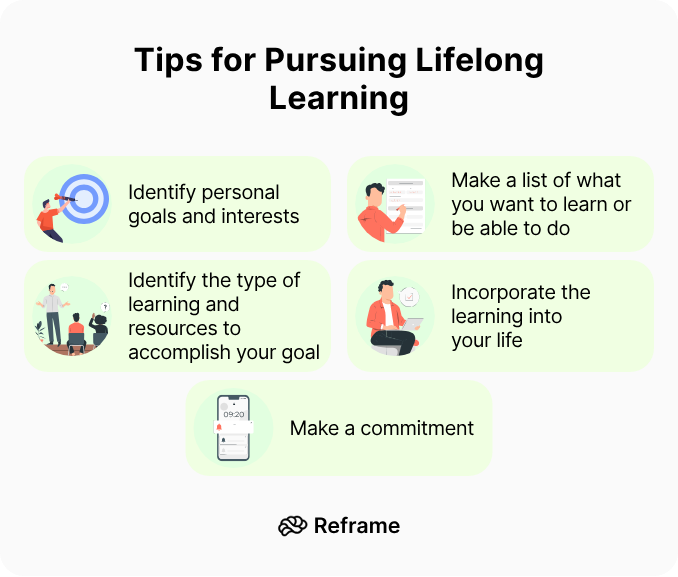
Strategies for Lifelong Learning
Individuals can become lifelong learners by:
- Reading books and articles regularly.
- Attending workshops and training programs.
- Enrolling in online courses.
- Learning new technologies and skills.
- Participating in professional development activities.
- Seeking new experiences and opportunities for growth.
Conclusion
In conclusion, lifelong learning is essential for personal development, career advancement, and success in a rapidly changing world. It enables individuals to adapt to new challenges, enhance their knowledge, and achieve their goals. By embracing lifelong learning, people can continue growing intellectually, professionally, and socially throughout their lives. In the 21st century, learning is not limited to the classroom; it is a lifelong journey that empowers individuals to reach their full potential.