Introduction
In the digital era, businesses are constantly seeking innovative ways to improve efficiency, reduce costs, and remain competitive. One of the most significant technological advancements that has transformed the business world is cloud computing. Cloud computing allows organizations to access computing resources such as storage, software, and processing power through the internet rather than relying solely on local servers or personal computers. This technology has revolutionized the way businesses operate, communicate, and manage information.
Understanding Cloud Computing
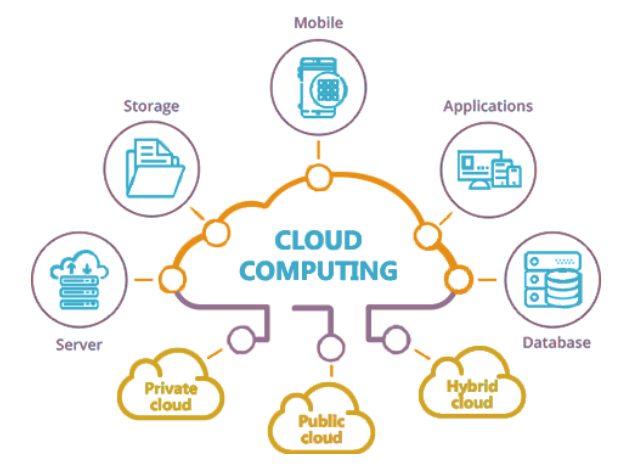
Cloud computing is the delivery of computing services over the internet. These services include data storage, databases, networking, software applications, and analytics. Instead of purchasing and maintaining expensive hardware and software, businesses can access these services on demand from cloud service providers.
Popular examples of cloud computing include online storage services, email platforms, virtual collaboration tools, and business management software.
Importance of Cloud Computing in Modern Business
Cloud computing has become a critical component of modern business operations because it offers flexibility, scalability, and accessibility. Organizations can quickly adapt to changing market demands without making large investments in technology infrastructure.
Businesses of all sizes, from startups to multinational corporations, use cloud computing to improve productivity and streamline operations.
Benefits of Cloud Computing
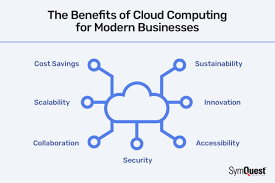
1. Cost Efficiency
Cloud computing reduces the need for expensive hardware, software, and maintenance costs. Businesses only pay for the services they use.
2. Flexibility and Scalability
Organizations can easily increase or decrease their computing resources according to their needs.
3. Improved Collaboration
Employees can access files, applications, and information from any location, promoting teamwork and remote work.
4. Data Security and Backup
Cloud providers offer advanced security measures and automatic data backup to protect business information.
5. Business Continuity
Cloud services help businesses recover data quickly in case of system failures or disasters.
6. Increased Productivity
Employees can access tools and information instantly, improving efficiency and performance.
Applications of Cloud Computing in Business
Cloud computing is widely used in various business functions, including:
- Customer Relationship Management (CRM)
- Accounting and Finance
- Human Resource Management
- Project Management
- Data Storage and Backup
- E-commerce Platforms
- Online Communication and Collaboration
These applications help businesses operate more effectively and serve customers better.
Challenges of Cloud Computing
Despite its advantages, cloud computing also presents some challenges:
- Data privacy concerns
- Internet dependency
- Security risks and cyber threats
- Compliance with regulations
- Service interruptions and downtime
Businesses must implement proper security measures and choose reliable cloud service providers to minimize these risks.
Future of Cloud Computing
The future of cloud computing is closely linked to emerging technologies such as artificial intelligence, big data, machine learning, and the Internet of Things (IoT). As technology continues to advance, cloud computing will become even more important in supporting digital transformation and business innovation.
Conclusion
In conclusion, cloud computing has transformed modern business by providing cost-effective, flexible, and secure solutions for managing information and operations. It enables organizations to improve efficiency, support remote work, and adapt to changing business environments. As businesses continue to embrace digital transformation, cloud computing will remain a key driver of innovation, growth, and competitive advantage in the modern world.