The world’s oceans are facing two major environmental crises: plastic pollution and climate change. Together, these threats are placing immense pressure on marine ecosystems and the countless species that depend on them. From tiny plankton to massive whales, marine animals are experiencing the consequences of polluted waters and changing ocean conditions. Addressing these challenges is essential for protecting biodiversity and ensuring healthy oceans for future generations.
Plastic Pollution in the Oceans
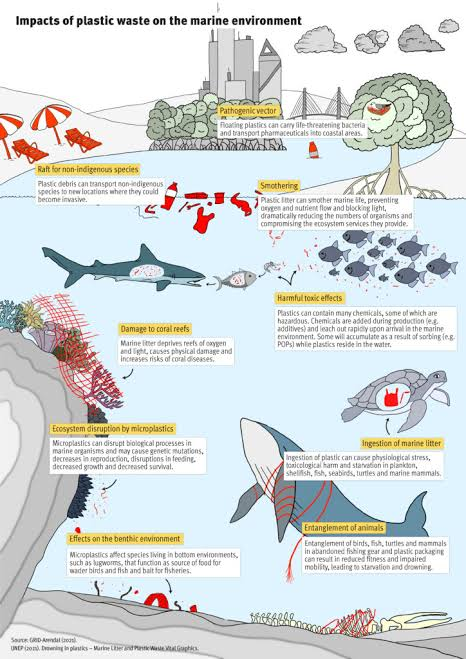
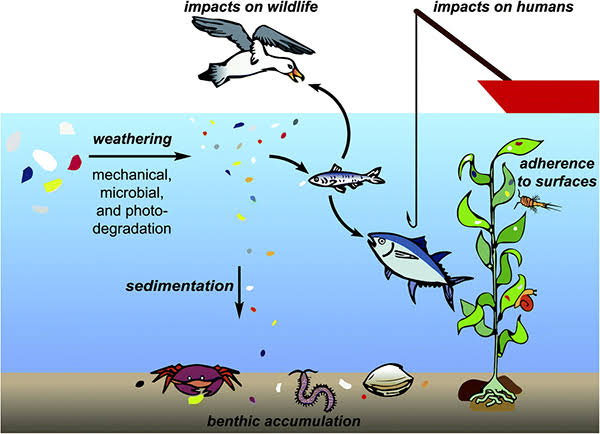
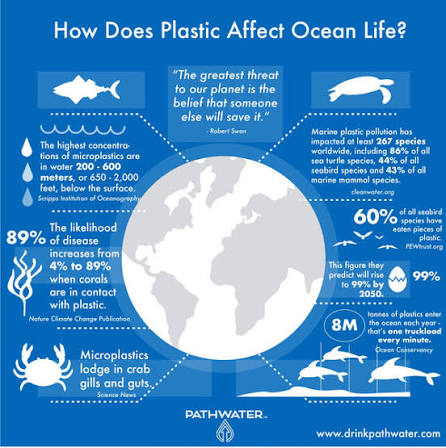
Millions of tons of plastic waste enter the oceans every year through rivers, coastal communities, and improper waste disposal. Plastic bags, bottles, fishing nets, and microplastics accumulate in marine habitats, where they can remain for hundreds of years.
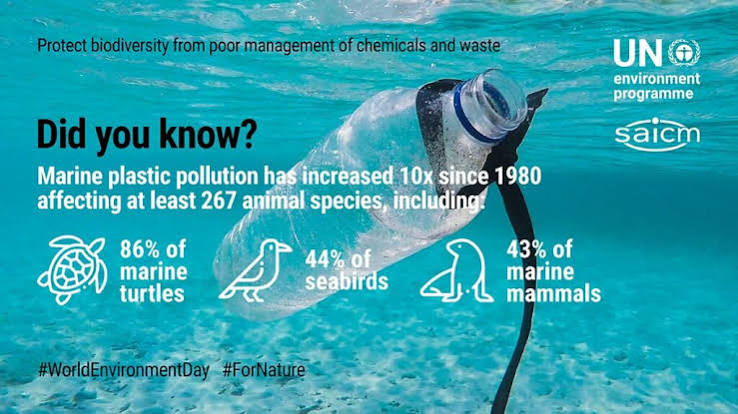
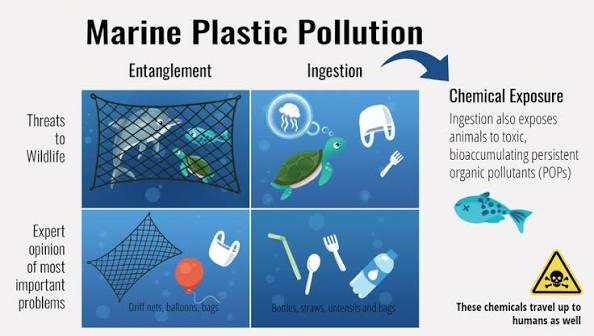
Marine animals often mistake plastic for food. Sea turtles may consume plastic bags thinking they are jellyfish, while seabirds and fish ingest small plastic particles that can block digestion, reduce nutrient absorption, and cause starvation. Entanglement in abandoned fishing gear can also lead to severe injuries or death.
Climate Change and Ocean Health
Climate change is warming the oceans and increasing their acidity due to higher levels of carbon dioxide. Warmer waters contribute to coral bleaching, destroying habitats that support thousands of marine species. Ocean acidification weakens the shells of mollusks and other marine organisms, disrupting food chains throughout the ecosystem.
Rising sea temperatures also affect migration patterns, breeding seasons, and the availability of food, forcing many marine animals to adapt or relocate.
Combined Effects on Marine Life
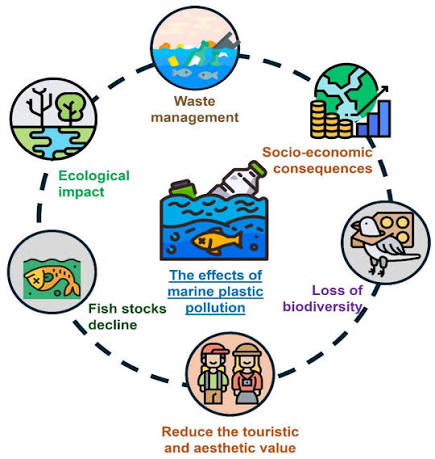
Plastic pollution and climate change often work together, making survival even more difficult. Animals already weakened by heat stress or habitat loss are less able to cope with injuries, pollution, and food shortages. Coral reefs damaged by warming waters are also more vulnerable to pollution, reducing biodiversity and ecosystem resilience.
Conservation and Solutions
Reducing single-use plastics, improving recycling systems, supporting sustainable fisheries, and protecting marine habitats are vital steps toward healthier oceans. Governments, industries, and individuals all have a role to play by reducing waste, participating in coastal cleanups, and supporting policies that reduce greenhouse gas emissions.
Conclusion
Plastic pollution and climate change are deeply interconnected challenges threatening marine animals worldwide. Through global cooperation, responsible consumption, and effective conservation efforts, humanity can help restore ocean ecosystems and protect the incredible diversity of life beneath the waves.