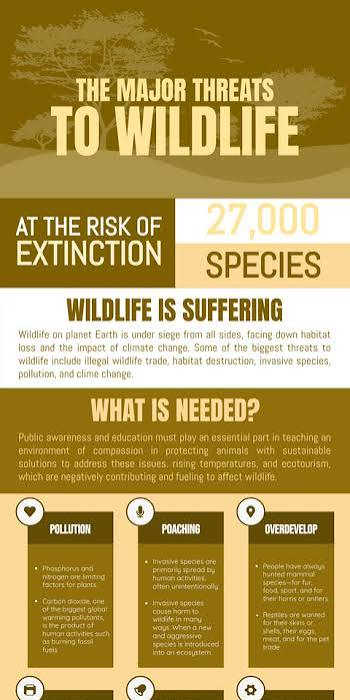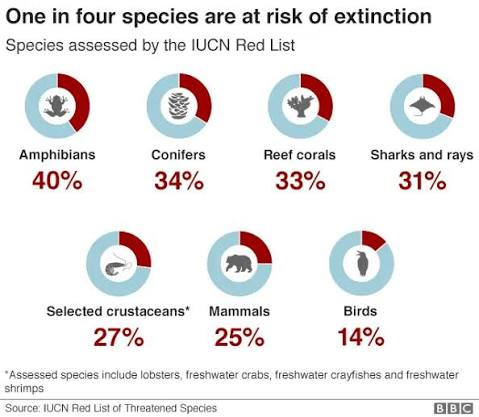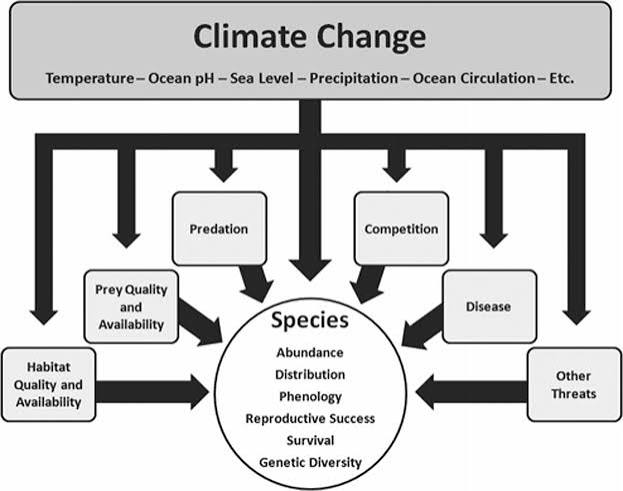
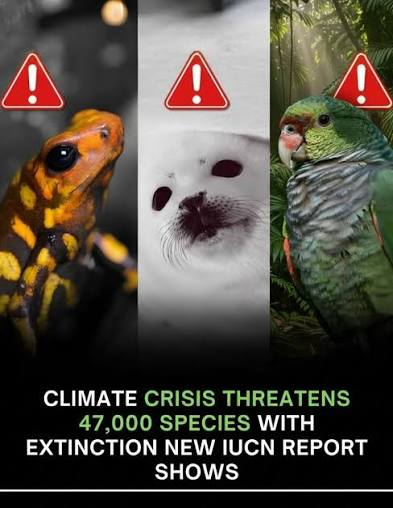
Climate change has become one of the greatest challenges facing endangered species worldwide. While habitat destruction, pollution, and illegal hunting have long threatened wildlife, rising global temperatures are making survival even more difficult. Many vulnerable species are now confronting environmental changes faster than they can adapt, placing them at greater risk of extinction.
Shrinking Natural Habitats
As the climate changes, forests, wetlands, grasslands, and polar regions are being transformed. Rising sea levels threaten coastal habitats, while melting glaciers reduce the living space of cold-climate species. Animals that depend on these ecosystems often have nowhere else to go, leading to declining populations.
Disrupted Food Sources
Climate change affects the availability of food by altering growing seasons, reducing fish populations, and changing insect behavior. Endangered animals that rely on specific prey or plants may struggle to find enough nourishment. Even slight changes in food availability can have serious consequences for species with already small populations.
Extreme Weather Events
More frequent heatwaves, floods, droughts, storms, and wildfires destroy habitats and force animals to flee. These disasters can kill wildlife directly or separate parents from their young, reducing breeding success and slowing population recovery.
Ocean Changes and Marine Species
The world’s oceans absorb much of the heat generated by climate change, leading to warmer waters and increasing ocean acidity. Coral reefs, which support thousands of marine species, are experiencing widespread bleaching. Sea turtles, reef fish, and many other marine animals are losing critical habitats needed for feeding and reproduction.
Conservation Strategies
Protecting endangered species requires coordinated efforts at local, national, and international levels. Governments, conservation organizations, scientists, and communities are working together to restore habitats, establish protected areas, reduce pollution, and combat illegal wildlife trade. Reducing greenhouse gas emissions is equally important for slowing climate change and preserving ecosystems.
How Individuals Can Help
Everyone can contribute to wildlife conservation by reducing energy consumption, supporting sustainable products, planting native vegetation, minimizing waste, and supporting conservation organizations. Small individual actions, when combined globally, can make a meaningful difference.
Conclusion
Climate change is accelerating the decline of many endangered species, making conservation more urgent than ever. Protecting wildlife requires both immediate action to conserve habitats and long-term efforts to address global warming. By working together, humanity can help preserve Earth’s remarkable biodiversity for future generations.