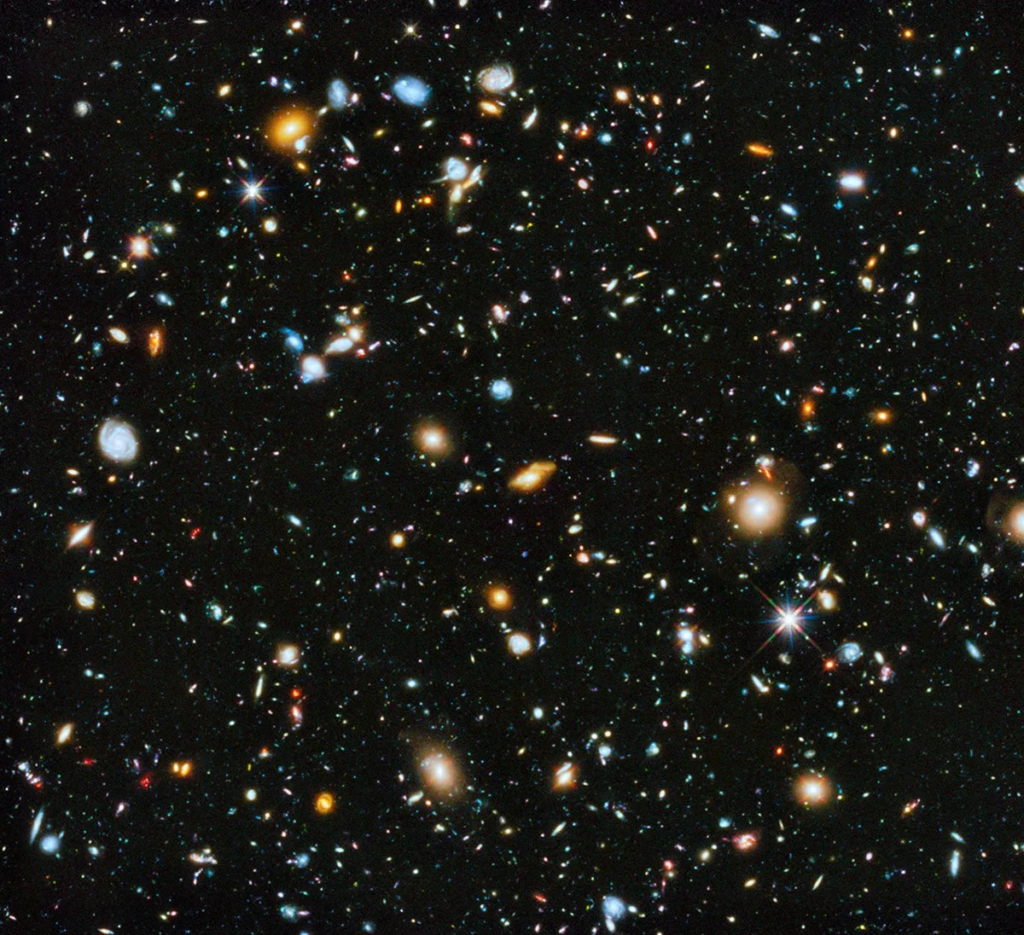
Deep space has fascinated humanity for centuries. Beyond the planets of our solar system lies an enormous universe filled with distant galaxies, black holes, mysterious dark matter, and countless stars. Although modern telescopes and robotic spacecraft have transformed our understanding of the cosmos, much of deep space remains unexplored. Every new discovery raises new questions, making deep space one of the greatest scientific frontiers of our time.
What Is Deep Space?
Deep space generally refers to the vast regions beyond Earth’s immediate surroundings and, in many contexts, beyond our solar system. Scientists use powerful observatories, space probes, and advanced computer simulations to study these distant regions and better understand how the universe formed and evolved.
The Biggest Mysteries of the Universe
Despite decades of research, astronomers are still trying to solve some of the universe’s greatest mysteries:
Dark Matter
Scientists estimate that ordinary matter—the stars, planets, and galaxies we can see—makes up only a small fraction of the universe. Most of the universe appears to consist of invisible dark matter, whose nature remains unknown. Researchers detect its presence through its gravitational effects on galaxies.
Dark Energy
Even more mysterious is dark energy, a force believed to be causing the universe to expand at an accelerating rate. Understanding dark energy could completely change our knowledge of physics and the fate of the cosmos.
Black Holes
Black holes are regions where gravity is so powerful that not even light can escape. They continue to challenge scientists’ understanding of space, time, and gravity. Supermassive black holes found at the centers of galaxies may play a key role in galaxy formation.
The Search for Life Beyond Earth
Thousands of exoplanets have been discovered orbiting distant stars. Some exist in “habitable zones,” where conditions might allow liquid water to exist. Scientists continue searching for signs of microbial or even intelligent life beyond our planet.
Powerful Tools Exploring Deep Space
Modern space exploration depends on increasingly sophisticated technology.
Space telescopes observe distant galaxies, stars, and nebulae in remarkable detail, while robotic spacecraft travel billions of kilometers to study planets, moons, asteroids, and comets. New missions are also helping scientists investigate the chemistry of interstellar space and the origins of stars and planetary systems.
Artificial intelligence is becoming increasingly important by analyzing enormous amounts of astronomical data, identifying unusual cosmic events, and assisting spacecraft with autonomous decision-making during long missions.
Recent Discoveries
Recent observations have revealed giant regions of frozen water and dust within star-forming clouds in our galaxy, offering clues about how stars and planets are born. Scientists are also preparing future missions to investigate Uranus and Neptune, which remain among the least explored major planets despite their importance for understanding planetary formation.
Challenges of Deep Space Exploration
Exploring deep space is extremely difficult. Spacecraft must survive:
- Extreme temperatures
- Intense cosmic radiation
- Communication delays lasting minutes or even hours
- Limited power supplies
- Vast distances requiring years or decades of travel
Engineers continue developing advanced propulsion systems, improved robotics, and more reliable communication technologies to overcome these obstacles.
Why Deep Space Matters
Studying deep space helps answer humanity’s oldest questions:
- How did the universe begin?
- How are stars and galaxies formed?
- Are we alone in the universe?
- What is the ultimate fate of the cosmos?
The technologies developed for space exploration also benefit life on Earth, leading to advances in computing, communications, medical equipment, imaging systems, and materials science.
Looking Toward the Future
The coming decades promise exciting breakthroughs. Next-generation telescopes, improved space probes, and international collaborations will allow scientists to explore farther than ever before. Missions targeting distant planets, asteroids, and interstellar space may uncover discoveries that reshape our understanding of the universe.
Every observation adds another piece to the cosmic puzzle. While many mysteries remain unsolved, humanity’s determination to explore ensures that deep space will continue to inspire scientists, engineers, and dreamers for generations to come.
Conclusion
Deep space represents the final frontier of scientific discovery. From mysterious black holes to distant exoplanets and invisible dark matter, the universe continues to surprise us with its complexity and beauty. As technology advances and new missions venture farther into the cosmos, we move one step closer to answering some of the greatest questions ever asked. The journey to uncover the mysteries of deep space has only just begun.
Deep space has fascinated humanity for centuries. Beyond the planets of our solar system lies an enormous universe filled with distant galaxies, black holes, mysterious dark matter, and countless stars. Although modern telescopes and robotic spacecraft have transformed our understanding of the cosmos, much of deep space remains unexplored. Every new discovery raises new questions, making deep space one of the greatest scientific frontiers of our time.
What Is Deep Space?
Deep space generally refers to the vast regions beyond Earth’s immediate surroundings and, in many contexts, beyond our solar system. Scientists use powerful observatories, space probes, and advanced computer simulations to study these distant regions and better understand how the universe formed and evolved.
The Biggest Mysteries of the Universe
Despite decades of research, astronomers are still trying to solve some of the universe’s greatest mysteries:
Dark Matter
Scientists estimate that ordinary matter—the stars, planets, and galaxies we can see—makes up only a small fraction of the universe. Most of the universe appears to consist of invisible dark matter, whose nature remains unknown. Researchers detect its presence through its gravitational effects on galaxies.
Dark Energy
Even more mysterious is dark energy, a force believed to be causing the universe to expand at an accelerating rate. Understanding dark energy could completely change our knowledge of physics and the fate of the cosmos.
Black Holes
Black holes are regions where gravity is so powerful that not even light can escape. They continue to challenge scientists’ understanding of space, time, and gravity. Supermassive black holes found at the centers of galaxies may play a key role in galaxy formation.
The Search for Life Beyond Earth
Thousands of exoplanets have been discovered orbiting distant stars. Some exist in “habitable zones,” where conditions might allow liquid water to exist. Scientists continue searching for signs of microbial or even intelligent life beyond our planet.
Powerful Tools Exploring Deep Space
Modern space exploration depends on increasingly sophisticated technology.
Space telescopes observe distant galaxies, stars, and nebulae in remarkable detail, while robotic spacecraft travel billions of kilometers to study planets, moons, asteroids, and comets. New missions are also helping scientists investigate the chemistry of interstellar space and the origins of stars and planetary systems.
Artificial intelligence is becoming increasingly important by analyzing enormous amounts of astronomical data, identifying unusual cosmic events, and assisting spacecraft with autonomous decision-making during long missions.
Recent Discoveries
Recent observations have revealed giant regions of frozen water and dust within star-forming clouds in our galaxy, offering clues about how stars and planets are born. Scientists are also preparing future missions to investigate Uranus and Neptune, which remain among the least explored major planets despite their importance for understanding planetary formation.
Challenges of Deep Space Exploration
Exploring deep space is extremely difficult. Spacecraft must survive:
- Extreme temperatures
- Intense cosmic radiation
- Communication delays lasting minutes or even hours
- Limited power supplies
- Vast distances requiring years or decades of travel
Engineers continue developing advanced propulsion systems, improved robotics, and more reliable communication technologies to overcome these obstacles.
Why Deep Space Matters
Studying deep space helps answer humanity’s oldest questions:
- How did the universe begin?
- How are stars and galaxies formed?
- Are we alone in the universe?
- What is the ultimate fate of the cosmos?
The technologies developed for space exploration also benefit life on Earth, leading to advances in computing, communications, medical equipment, imaging systems, and materials science.
Looking Toward the Future
The coming decades promise exciting breakthroughs. Next-generation telescopes, improved space probes, and international collaborations will allow scientists to explore farther than ever before. Missions targeting distant planets, asteroids, and interstellar space may uncover discoveries that reshape our understanding of the universe.
Every observation adds another piece to the cosmic puzzle. While many mysteries remain unsolved, humanity’s determination to explore ensures that deep space will continue to inspire scientists, engineers, and dreamers for generations to come.
Conclusion
Deep space represents the final frontier of scientific discovery. From mysterious black holes to distant exoplanets and invisible dark matter, the universe continues to surprise us with its complexity and beauty. As technology advances and new missions venture farther into the cosmos, we move one step closer to answering some of the greatest questions ever asked. The journey to uncover the mysteries of deep space has only just begun.