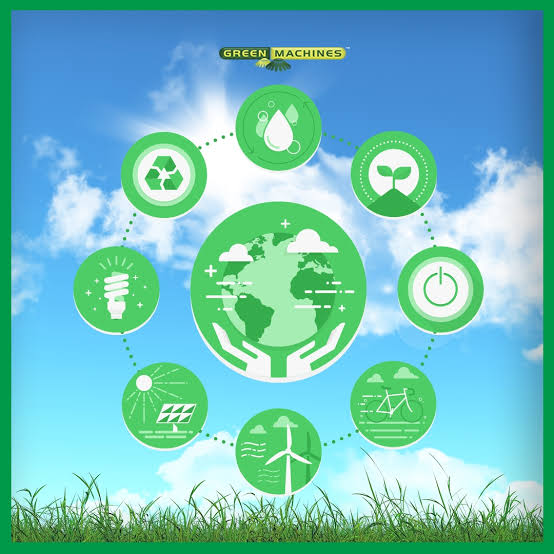
Green technology is transforming the way people live, work, and protect the environment. Also known as clean technology, it focuses on creating products and systems that reduce pollution, conserve natural resources, and support sustainable development. As the world faces growing environmental challenges, green technology has become an essential part of building a healthier and more sustainable future.
One of the most significant examples of green technology is renewable energy. Solar panels, wind turbines, and hydroelectric power plants generate electricity without producing large amounts of greenhouse gases. These energy sources reduce dependence on fossil fuels, helping to combat climate change while providing cleaner and more reliable power for homes and businesses.
Transportation is also becoming more environmentally friendly through green innovation. Electric vehicles (EVs) produce fewer emissions than traditional gasoline-powered cars, improving air quality in cities. Advances in battery technology are making EVs more affordable and capable of traveling longer distances. Public transportation systems are also adopting electric buses and trains, reducing pollution and energy consumption.
Green technology is making a difference in agriculture as well. Smart irrigation systems use sensors to deliver the right amount of water to crops, reducing waste and conserving valuable water resources. Precision farming, powered by drones and artificial intelligence, helps farmers monitor crop health, improve productivity, and minimize the use of harmful chemicals.
Buildings are becoming more energy-efficient through sustainable design and smart technologies. Modern green buildings use energy-saving lighting, efficient insulation, rainwater harvesting systems, and solar panels to reduce their environmental impact. Smart home devices also help homeowners monitor and reduce energy consumption, lowering both utility bills and carbon emissions.
Waste management has improved thanks to innovative recycling technologies and biodegradable materials. Many companies are replacing single-use plastics with eco-friendly alternatives made from plant-based materials. Advanced recycling methods allow valuable materials to be reused, reducing landfill waste and protecting natural ecosystems.
Despite these achievements, challenges remain. The initial cost of green technologies can be high, and many developing regions still lack access to sustainable infrastructure. Governments, businesses, and communities must work together to invest in research, provide financial support, and encourage the widespread adoption of clean technologies.
Green technology is more than a scientific advancement—it is a pathway to a cleaner, healthier, and more sustainable world. By embracing innovation and making environmentally responsible choices, societies can protect the planet while creating new economic opportunities. The continued development of green technology will play a crucial role in shaping a brighter future for generations to come.
