Wearable technology has evolved far beyond simple fitness trackers. In 2026, smartwatches, health-monitoring bands, wearable ECG devices, smart rings, and even intelligent clothing are helping people monitor their health in real time. These innovative devices are changing how patients, doctors, and healthcare providers manage medical conditions, making healthcare more personalized, preventive, and accessible.
What Is Wearable Healthcare Technology?
Wearable healthcare technology refers to electronic devices worn on the body that continuously collect health-related data. These devices can monitor heart rate, blood oxygen levels, sleep quality, stress, physical activity, body temperature, blood pressure, and other important health indicators. The collected information is often shared with smartphones or healthcare providers, enabling timely medical decisions.
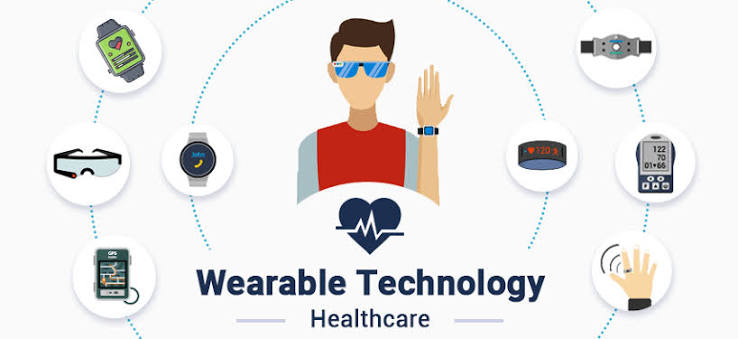
Popular Types of Wearable Devices
Several wearable technologies are becoming increasingly common:
- Smartwatches that track heart rate, ECG, sleep, and fitness.
- Smart rings that monitor sleep, body temperature, and daily wellness.
- Fitness bands that encourage physical activity and healthy habits.
- Continuous glucose monitors (CGMs) for people with diabetes.
- Wearable ECG monitors that detect irregular heart rhythms.
- Smart clothing equipped with sensors to monitor posture, breathing, and muscle activity.
Benefits of Wearable Technology
Early Disease Detection
Continuous monitoring allows wearable devices to identify unusual health patterns before symptoms become severe. Early detection can improve treatment outcomes and reduce medical complications.
Better Chronic Disease Management
Patients living with diabetes, hypertension, or heart disease can monitor their conditions more effectively. Doctors receive accurate health data, allowing them to adjust treatments without requiring frequent hospital visits.
Encouraging Healthy Lifestyles
Wearables motivate users to stay active by tracking daily steps, calories burned, exercise routines, and sleep patterns. Personalized health reminders help users develop healthier habits.
Remote Patient Monitoring
Doctors can monitor patients from a distance using wearable data. This is especially valuable for elderly individuals, rural communities, and patients recovering after surgery.
Emergency Alerts
Some advanced wearable devices automatically detect falls, abnormal heart rhythms, or dangerous health changes and immediately alert family members or emergency services.
The Role of Artificial Intelligence
Artificial intelligence makes wearable technology even smarter by analyzing large amounts of health data. AI can identify hidden patterns, predict health risks, and provide personalized recommendations. Instead of simply collecting information, wearable devices are becoming intelligent health assistants.
Challenges
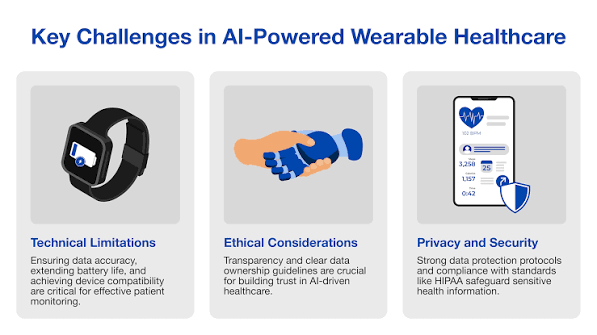
Despite their advantages, wearable healthcare devices face several challenges:
- Protecting sensitive health data and user privacy.
- Maintaining high accuracy across different users.
- Battery life limitations.
- High costs for advanced devices.
- Ensuring compatibility with healthcare systems.
The Future of Wearable Healthcare
Future wearable technologies may include non-invasive blood sugar monitoring, smart contact lenses, AI-powered diagnostic tools, and wearable devices capable of detecting diseases such as cancer in their earliest stages. As technology advances, healthcare will become more preventive than reactive.
Conclusion
Wearable technology is transforming healthcare by giving individuals greater control over their well-being while helping medical professionals deliver more accurate and timely care. As innovation continues, wearable devices will play an increasingly important role in improving health outcomes, reducing healthcare costs, and creating a healthier future for people around the world.