Artificial Intelligence (AI) is transforming industries across the globe. While many people worry that automation may replace traditional jobs, AI is also creating entirely new career opportunities. As businesses adopt intelligent technologies, the demand for skilled professionals who can develop, manage, and work alongside AI systems continues to grow.
How AI Is Changing the Job Market
AI is automating repetitive tasks, allowing workers to focus on creativity, problem-solving, and strategic thinking. Instead of replacing humans entirely, AI is creating new roles that require technical expertise, critical thinking, communication, and ethical decision-making.
Emerging AI Careers
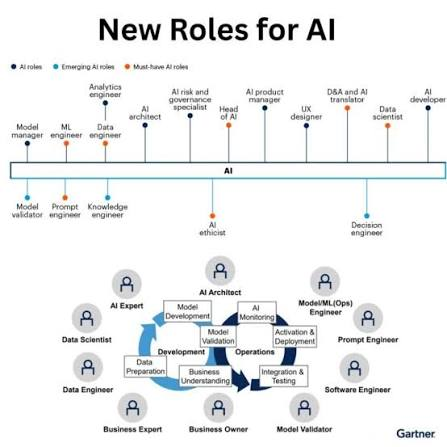
AI Engineer
AI engineers design, develop, and improve intelligent systems used in healthcare, finance, transportation, manufacturing, and education. They build machine learning models that help computers learn from data.
Machine Learning Specialist
Machine learning specialists create algorithms that allow AI systems to recognize patterns, make predictions, and improve performance over time.
AI Ethics Consultant
As AI becomes more powerful, organizations need experts who ensure that AI systems are fair, transparent, unbiased, and respectful of privacy and human rights.
Prompt Engineer
Prompt engineers design effective instructions that help generative AI systems produce accurate, useful, and creative responses. This role requires strong communication skills and an understanding of AI capabilities.
AI Trainer
AI systems require high-quality training data. AI trainers teach models to recognize language, images, speech, and user intent while improving overall system accuracy.
Robotics Technician
As robots become more common in manufacturing, logistics, healthcare, and agriculture, technicians will install, maintain, repair, and upgrade robotic systems.
AI Cybersecurity Specialist
These professionals protect AI systems from cyber threats, prevent data breaches, and secure intelligent applications from malicious attacks.
Healthcare AI Specialist
Healthcare organizations increasingly need experts who combine medical knowledge with AI tools to improve diagnosis, treatment planning, and patient care.
AI Product Manager
AI product managers coordinate developers, designers, researchers, and business teams to create successful AI-powered products that meet customer needs.
Data Scientist
Data scientists analyze massive datasets that help train AI models and generate valuable business insights.
Skills Needed for Future AI Careers
To succeed in AI-related professions, individuals should develop:
- Programming skills
- Data analysis
- Machine learning fundamentals
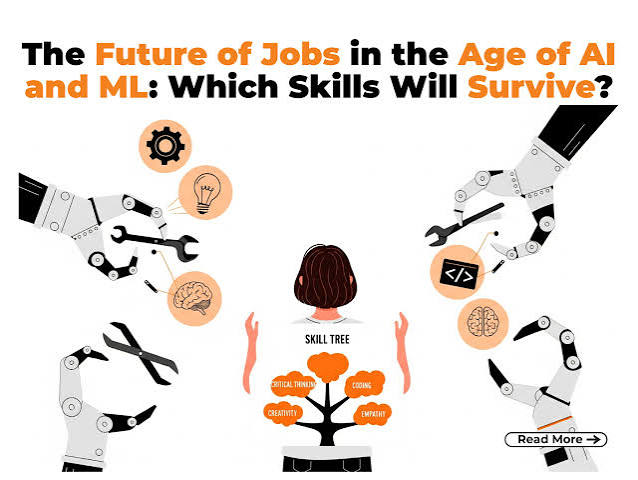
- Critical thinking
- Communication skills
- Problem-solving abilities
- Creativity
- Ethical decision-making
- Continuous learning
Industries Hiring AI Professionals
AI careers are expanding across many sectors, including:
- Healthcare
- Finance
- Education
- Manufacturing
- Agriculture
- Transportation
- Retail
- Entertainment
- Cybersecurity
- Government services
Challenges
Despite exciting opportunities, AI professionals must address important challenges such as protecting privacy, reducing algorithmic bias, ensuring transparency, and helping workers adapt to changing job requirements through reskilling and education.
Looking Ahead
As AI continues to evolve, human creativity, emotional intelligence, leadership, and ethical judgment will remain valuable qualities that technology cannot fully replace. The most successful professionals will be those who combine technical expertise with strong interpersonal skills.
Conclusion
Artificial Intelligence is not only reshaping existing jobs but also creating exciting new careers across every major industry. By learning AI-related skills and embracing lifelong education, today’s students and professionals can prepare for rewarding opportunities in the rapidly evolving digital economy.