Introduction
The way people work has changed dramatically in recent years. Advances in technology, high-speed internet, cloud computing, and digital communication tools have made remote work more accessible than ever before. Remote work, also known as telecommuting or working from home, allows employees to perform their job responsibilities outside a traditional office environment. What was once considered an alternative work arrangement has now become a major trend shaping the future of employment worldwide.
Understanding Remote Work
Remote work refers to a working arrangement where employees use digital technologies to complete their tasks from locations other than a central office. Through video conferencing, collaboration platforms, cloud-based software, and instant messaging applications, employees can communicate and work effectively regardless of their physical location.
This flexibility has transformed how organizations operate and how employees balance their professional and personal lives.
Factors Driving the Growth of Remote Work
Several factors have contributed to the rise of remote work:
1. Technological Advancements
Modern technologies such as cloud computing, artificial intelligence, and collaboration tools enable employees to work efficiently from anywhere.
2. Global Connectivity
The internet has made communication and teamwork possible across different countries and time zones.
3. Employee Preferences
Many employees prefer flexible work arrangements that allow them to achieve a better work-life balance.
4. Cost Reduction
Organizations can reduce expenses related to office space, utilities, and transportation.
Benefits of Remote Work
1. Increased Flexibility
Employees can manage their schedules more effectively and work from locations that suit their needs.
2. Improved Work-Life Balance
Remote work allows individuals to spend more time with family and reduce commuting stress.
3. Higher Productivity
Many employees report increased productivity due to fewer workplace distractions.
4. Access to Global Talent
Organizations can hire skilled professionals from different regions without geographical limitations.
5. Reduced Environmental Impact
Fewer daily commutes help decrease traffic congestion and carbon emissions.
Challenges of Remote Work
Despite its advantages, remote work also presents challenges:
- Communication barriers
- Feelings of isolation
- Difficulty maintaining team culture
- Cybersecurity risks
- Challenges in monitoring performance
Organizations must address these issues through effective management practices and digital solutions.
The Future of Remote Work
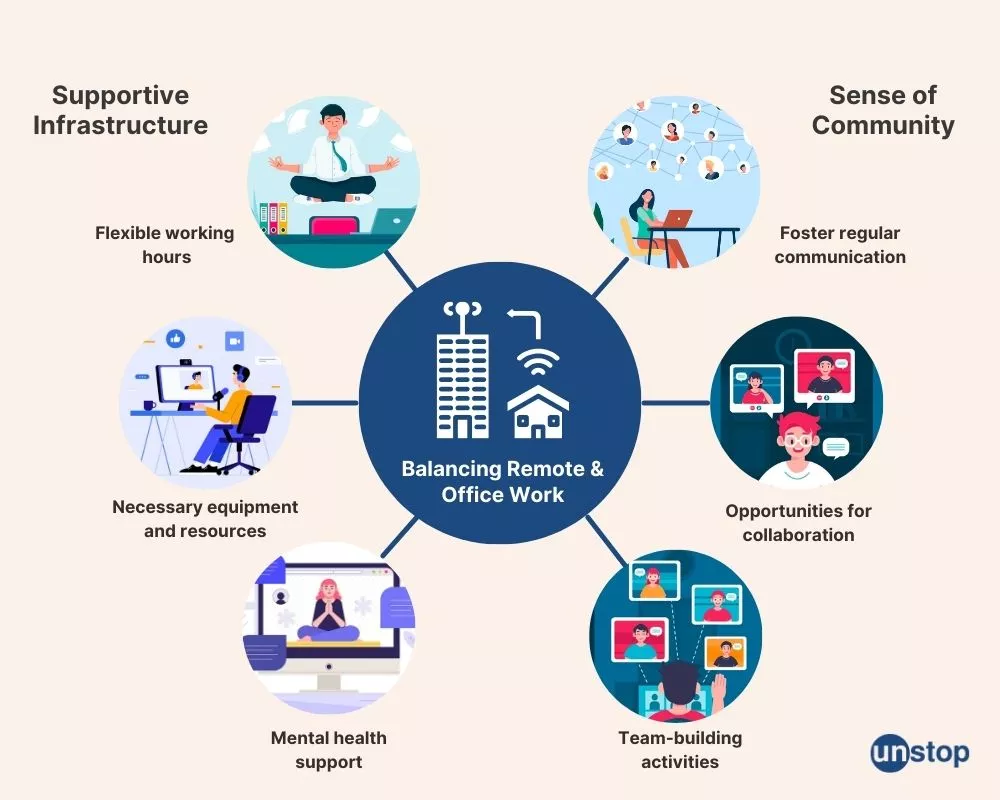
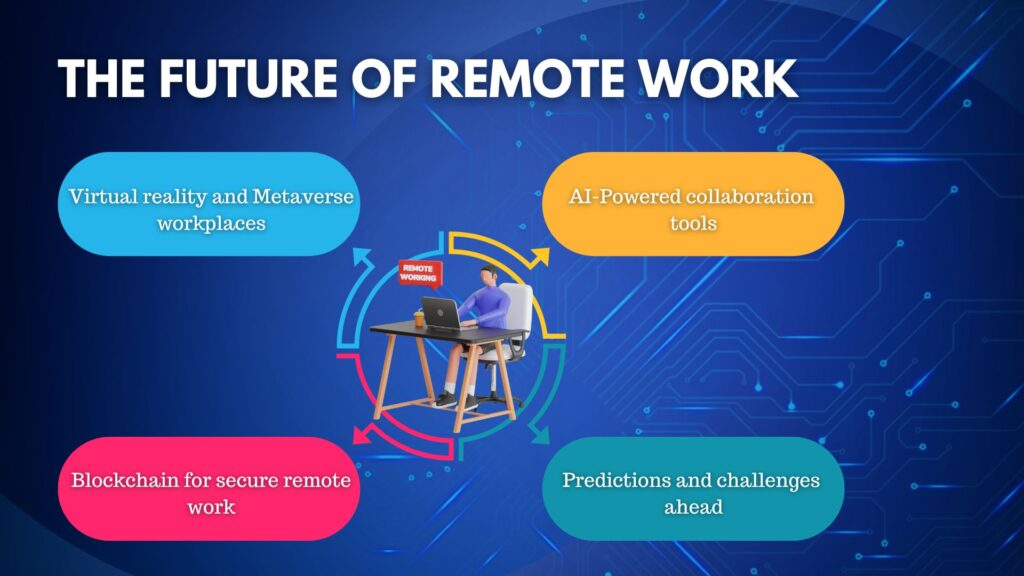
The future of remote work is likely to involve hybrid work models, where employees divide their time between home and the office. Businesses will continue investing in digital technologies to support collaboration, productivity, and security. Artificial intelligence, virtual reality, and advanced communication platforms may further enhance remote work experiences.
Companies are increasingly recognizing that flexibility can improve employee satisfaction, retention, and overall performance. As a result, remote work is expected to remain a significant feature of the modern workplace.
Conclusion
In conclusion, remote work is transforming the future of employment by providing flexibility, improving productivity, and expanding opportunities for both employers and employees. While challenges exist, technological innovation and effective management strategies can help overcome them. As organizations continue to adapt to changing workplace expectations, remote work will play an important role in shaping a more flexible, connected, and efficient future of work.