Introduction
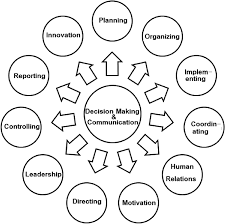
Decision-making is one of the most important functions of educational management. It involves selecting the best course of action from various alternatives to achieve educational goals and objectives. Educational managers, including principals, administrators, and policymakers, make decisions daily regarding curriculum development, resource allocation, staff management, student affairs, and institutional improvement. Effective decision-making contributes to the success and quality of educational institutions.
Meaning of Decision-Making in Educational Management
Decision-making is the process of identifying a problem, analyzing available information, considering alternatives, and selecting the most appropriate solution. In educational management, decision-making helps administrators ensure that educational resources are used effectively and that institutional goals are achieved efficiently.
Importance of Decision-Making in Educational Management
1. Achieving Educational Goals
Effective decisions help institutions accomplish their academic and administrative objectives.
2. Improving Educational Quality
Sound decisions contribute to better teaching, learning, and student outcomes.
3. Efficient Resource Utilization
Decision-making ensures the proper use of financial, human, and physical resources.
4. Problem Solving
Educational leaders use decision-making to address challenges and resolve issues effectively.
5. Institutional Development
Strategic decisions support innovation, growth, and continuous improvement.
Types of Decision-Making
1. Strategic Decisions
Long-term decisions that affect the future direction of the institution.
2. Tactical Decisions
Medium-term decisions related to implementing strategic plans.
3. Operational Decisions
Day-to-day decisions concerning routine school activities.
4. Programmed Decisions
Routine decisions based on established policies and procedures.
5. Non-Programmed Decisions
Unique decisions made for new or unexpected situations.
Steps in the Decision-Making Process
- Identify the problem.
- Gather relevant information.
- Generate possible alternatives.
- Evaluate alternatives.
- Select the best option.
- Implement the decision.
- Monitor and evaluate the results.
Factors Affecting Decision-Making
- Availability of information
- Leadership skills
- Organizational policies
- Financial resources
- Stakeholder participation
- Time constraints
- Institutional objectives
Challenges in Educational Decision-Making
- Limited resources
- Conflicting interests among stakeholders
- Uncertainty and risk
- Rapid educational changes
- Resistance to change
Educational leaders must carefully analyze situations and involve relevant stakeholders to overcome these challenges.
Conclusion
In conclusion, decision-making is a vital component of educational management. It influences every aspect of an educational institution, from planning and resource management to teaching and learning outcomes. Effective decision-making enables educational leaders to solve problems, improve quality, and achieve institutional goals. Therefore, strong decision-making skills are essential for successful educational management and sustainable educational development.