Introduction
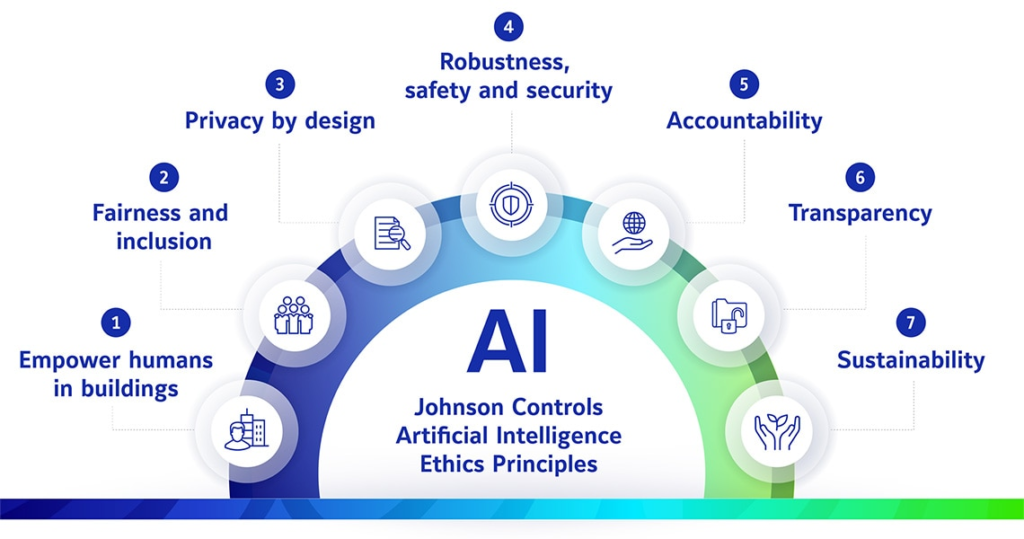
Artificial Intelligence (AI) has become one of the most powerful technologies shaping the modern world. From healthcare and education to business and communication, AI systems are helping people solve problems, make decisions, and improve efficiency. However, as AI continues to grow, it also raises important ethical questions about fairness, privacy, responsibility, and the impact of technology on society.
Meaning of Ethics in Artificial Intelligence
Ethics in Artificial Intelligence refers to the moral principles and guidelines that ensure AI systems are developed and used responsibly. It focuses on creating AI that benefits humanity while reducing possible harms. Ethical AI aims to make technology fair, transparent, safe, and accountable.
Importance of Ethics in AI
Ethics plays a crucial role in building trust between humans and AI systems. Without ethical considerations, AI can create problems such as discrimination, privacy violations, and misuse of information. Ethical principles help organizations design AI systems that respect human rights and support social well-being.
Key Ethical Issues in Artificial Intelligence
1. Privacy and Data Protection
AI systems often require large amounts of data to function effectively. Protecting personal information is a major ethical concern. Companies must ensure that user data is collected, stored, and used responsibly.
2. Bias and Fairness
AI learns from existing data, and if the data contains biases, AI decisions may become unfair. For example, biased AI systems in hiring or education can negatively affect certain groups of people. Developers must work to create fair and unbiased algorithms.
3. Transparency and Explainability
Many AI systems make complex decisions that are difficult for humans to understand. Ethical AI requires transparency so users can know how and why an AI system makes decisions.
4. Accountability
A major ethical question is who should be responsible when AI causes harm. Developers, companies, and users must share responsibility for ensuring AI is used correctly.
5. Impact on Employment
AI automation can replace some human jobs while creating new opportunities. Ethical use of AI requires preparing people with new skills and ensuring technology supports workers rather than only replacing them.
Benefits of Ethical AI
Ethical AI can improve healthcare through better diagnosis, support education with personalized learning, increase business productivity, and help solve global challenges. When developed responsibly, AI can become a valuable tool for human progress.
Future of Ethics and AI
The future of AI depends on balancing innovation with responsibility. Governments, researchers, and organizations need to establish ethical standards and policies that guide AI development. Human values should remain at the center of technological advancement.
Conclusion
Artificial Intelligence has the potential to transform the world, but its success depends on ethical use. By focusing on fairness, privacy, transparency, and accountability, society can ensure that AI serves humanity in a safe and beneficial way.