In the digital age, storytelling has evolved far beyond the printed page. Modern literature now embraces interactive and multimedia elements that transform readers from passive observers into active participants. By combining text with images, audio, video, animation, and interactive choices, authors and publishers are creating richer and more immersive literary experiences. This trend is redefining how stories are written, shared, and enjoyed.
One of the biggest drivers of interactive storytelling is technology. Digital platforms allow authors to incorporate multimedia features into their works, creating stories that engage multiple senses. Interactive novels may include clickable maps, character profiles, background music, animations, and even video clips. Readers can explore different story paths, making each reading experience unique.
The popularity of visual storytelling has also contributed to this trend. Graphic novels, webcomics, and digital comics combine compelling narratives with artwork, attracting readers of all ages. Interactive fiction and “choose-your-own-adventure” stories have experienced a resurgence through mobile apps and gaming platforms, allowing readers to influence the outcome of the plot through their decisions.
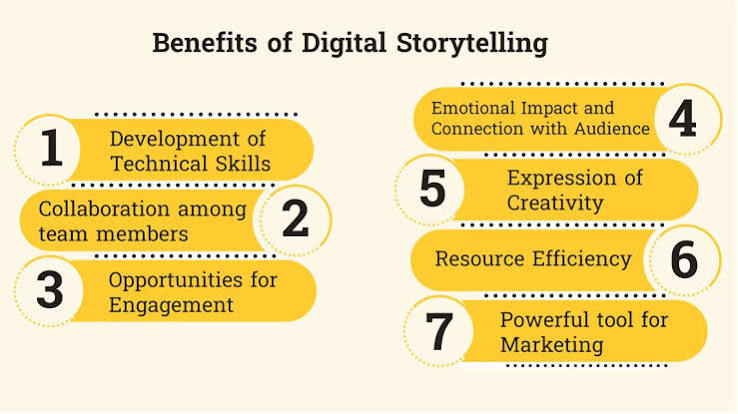
Educational institutions have also adopted multimedia storytelling to improve learning experiences. Interactive e-books, educational games, and digital narratives help students better understand complex subjects while increasing engagement. These resources combine storytelling with technology, making learning more enjoyable and memorable.
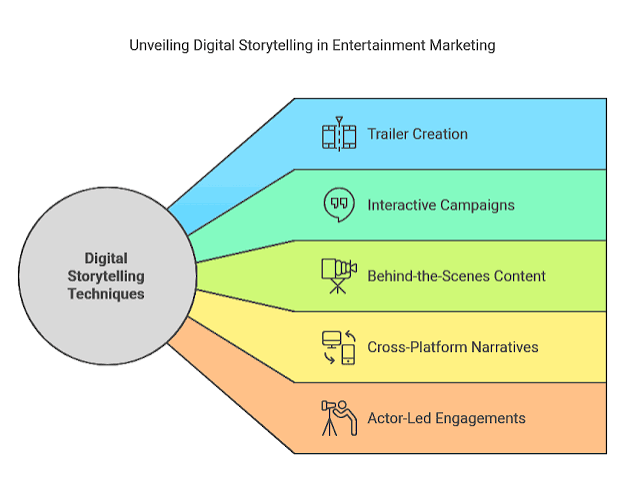
Authors are experimenting with cross-platform storytelling, where a single narrative unfolds across books, websites, social media, podcasts, and videos. This approach creates immersive fictional worlds that encourage readers to interact with characters and explore additional content beyond the traditional novel.
Artificial intelligence and virtual reality are opening new possibilities for storytelling. AI-powered narratives can adapt to readers’ choices, while virtual reality allows users to experience stories from inside the fictional world. Although still developing, these technologies could redefine literature in the coming years.
However, interactive storytelling also presents challenges. Producing multimedia content requires greater technical expertise, increased production costs, and collaboration between writers, designers, developers, and artists. Additionally, some readers still prefer traditional books that rely solely on imagination rather than digital enhancements.
Despite these challenges, interactive and multimedia storytelling continues to grow in popularity. As technology advances, readers increasingly seek engaging, personalized experiences that go beyond conventional reading. Rather than replacing traditional literature, multimedia storytelling expands its possibilities and introduces literature to new generations of readers.
Conclusion
Interactive and multimedia storytelling represents one of the most exciting developments in modern literature. By combining creativity with technology, authors are creating immersive experiences that captivate readers in entirely new ways. As digital innovation continues, storytelling will become even more interactive, ensuring that literature remains relevant and engaging in the 21st century.