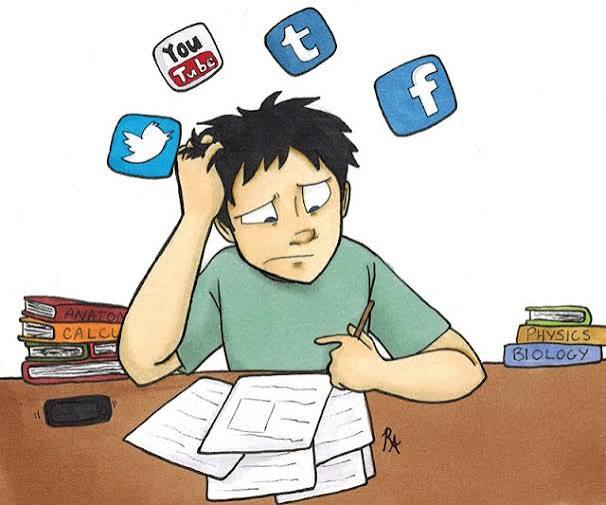
Social media has dramatically changed how people discover, discuss, and consume literature. Platforms such as Instagram, TikTok, YouTube, Facebook, and X have transformed reading from a solitary activity into a global community experience. While some worry that social media reduces attention spans, it has also inspired millions of people to rediscover the joy of reading.
One of the most influential trends is the rise of online book communities. Readers now share book reviews, recommendations, reading challenges, and literary discussions with audiences worldwide. Viral book recommendations often propel novels onto bestseller lists, introducing readers to authors they might never have discovered through traditional bookstores.
Short-form video content has become especially powerful in promoting literature. Creative videos featuring emotional reactions, aesthetic book displays, and quick reviews encourage viewers to purchase and read recommended titles. This has helped revive interest in both contemporary fiction and classic literature.
Social media has also strengthened connections between authors and readers. Writers can directly engage with their audiences through live sessions, question-and-answer events, and behind-the-scenes content. This interaction builds loyal communities and allows readers to feel personally connected to their favorite authors.
Reading challenges have become increasingly popular on social media. Annual goals, monthly reading themes, and virtual book clubs motivate readers to develop consistent reading habits. Many participants report reading more books than ever because of the encouragement and accountability provided by online communities.
However, social media also presents challenges. Constant notifications and endless scrolling can reduce the time people spend reading books. Short-form content may encourage quick consumption rather than deep reading, making it difficult for some readers to maintain focus on longer works.
Another concern is the influence of viral trends on publishing. Books with strong online popularity often receive greater visibility than equally deserving works without social media attention. This can affect which books become commercially successful.
Despite these concerns, social media has significantly expanded access to literature. Independent authors can promote their books without relying solely on traditional publishers, while readers gain exposure to diverse voices, genres, and international literature.
Conclusion
Social media has fundamentally reshaped modern reading habits. Although it presents challenges such as shorter attention spans and digital distractions, it has also created vibrant reading communities, increased book sales, and encouraged millions of people to read more frequently. When used thoughtfully, social media can serve as a powerful tool for promoting literature and lifelong reading.