Loneliness and isolation have become central themes in modern literature, reflecting the emotional realities of contemporary life. Despite living in an age of constant digital communication, many people experience feelings of disconnection, loneliness, and emotional distance. Modern novelists explore these experiences to better understand human relationships, identity, mental health, and the search for belonging in an increasingly complex world.
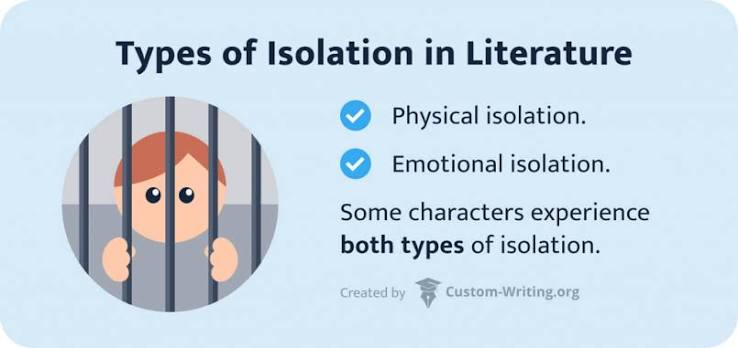
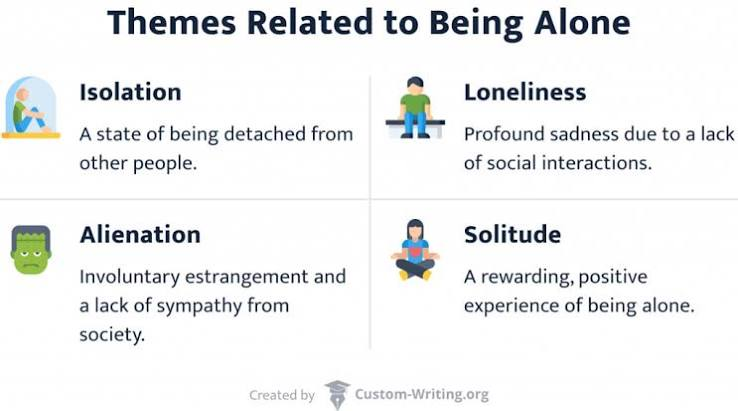
Many contemporary novels portray characters who struggle with emotional isolation despite being surrounded by people. They may experience loneliness because of family conflict, personal loss, migration, social exclusion, or the pressures of modern society. These stories reveal that loneliness is not simply about being physically alone but also about feeling misunderstood or disconnected from others.
Urban life is a recurring setting for these narratives. Large cities, often filled with millions of people, can create feelings of anonymity and emotional distance. Authors frequently depict characters navigating crowded environments while experiencing profound isolation, emphasizing the contrast between physical closeness and emotional separation.
Technology also plays an important role in modern portrayals of loneliness. Smartphones, social media, and digital communication have made it easier to stay connected, yet many novels question whether these technologies truly satisfy the human need for meaningful relationships. Characters may have hundreds of online connections while still struggling with loneliness, highlighting the limitations of virtual interaction.
Mental health is another significant aspect of this literary theme. Contemporary writers increasingly explore how loneliness contributes to anxiety, depression, grief, and low self-esteem. By portraying these experiences with honesty and sensitivity, literature helps reduce stigma and encourages readers to better understand emotional well-being.
Isolation is often used as a journey of personal growth. Characters who spend time alone frequently discover greater self-awareness, resilience, and independence. Through reflection and personal challenges, they learn valuable lessons about identity, relationships, and purpose. In this way, solitude becomes both a source of struggle and an opportunity for transformation.
Modern literature also examines how global events can intensify feelings of isolation. Economic uncertainty, migration, conflict, and public health crises have inspired stories about separation, resilience, and the importance of human connection. These narratives remind readers that loneliness is a shared human experience that can be overcome through empathy and community.
Despite the seriousness of the subject, many novels ultimately offer hope. They show that meaningful relationships, compassion, and understanding can help individuals overcome emotional isolation. Through family, friendship, love, or personal acceptance, characters often find renewed purpose and belonging.
Conclusion
Loneliness and isolation remain powerful themes in modern novels because they reflect the emotional challenges of contemporary life. By exploring these experiences with depth and compassion, authors encourage readers to better understand themselves and others. These stories remind us that although loneliness is a universal experience, genuine human connection has the power to heal, inspire, and create hope.