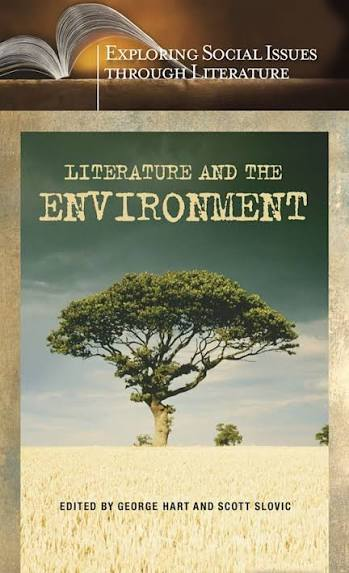
The environmental crisis has become one of the most significant themes in modern literature. As the world faces climate change, biodiversity loss, pollution, and resource depletion, authors are increasingly using fiction and poetry to explore humanity’s relationship with nature. Through compelling stories, modern literature raises awareness of environmental issues, encourages readers to reflect on human responsibility, and imagines possible futures shaped by ecological change.
One of the most influential genres associated with this theme is climate fiction, often called “cli-fi.” These novels explore the effects of rising temperatures, extreme weather, sea-level rise, and environmental disasters. Rather than focusing solely on scientific facts, climate fiction presents the emotional and social consequences of environmental change through relatable characters and engaging narratives. Such stories help readers understand the human side of the climate crisis.
Modern literature also examines the destruction of ecosystems caused by deforestation, industrialization, and pollution. Authors portray disappearing forests, contaminated rivers, endangered wildlife, and damaged landscapes to illustrate the long-term consequences of unsustainable development. These vivid descriptions encourage readers to appreciate nature while recognizing the urgent need for conservation.
Environmental themes often intersect with social and political issues. Many contemporary novels show how climate change disproportionately affects vulnerable communities, leading to food shortages, displacement, economic hardship, and conflict. By highlighting environmental inequality, literature demonstrates that ecological problems are also deeply connected to human rights and global justice.
Another emerging trend is the portrayal of hope and resilience. While many environmental stories present alarming scenarios, they also emphasize innovation, cooperation, and environmental activism. Characters frequently work together to restore ecosystems, develop sustainable technologies, or protect endangered species. These optimistic narratives inspire readers to believe that positive change remains possible through collective action.
Poetry and literary nonfiction also contribute to environmental awareness by celebrating the beauty of nature while mourning its destruction. Writers use vivid imagery and emotional language to strengthen readers’ connection with the natural world, reminding them of its value beyond economic or industrial interests.
However, writing about environmental crises presents challenges. Authors must balance scientific accuracy with engaging storytelling while avoiding overly pessimistic narratives that may discourage readers. The most effective works combine realistic environmental concerns with compelling characters and meaningful human experiences.
As environmental issues continue to shape global society, literature will remain an important platform for discussion, education, and inspiration. By encouraging empathy and critical thinking, environmental storytelling helps readers understand the urgency of protecting the planet for future generations.
Conclusion
The environmental crisis has become a defining theme in modern literature because it reflects one of humanity’s greatest challenges. Through climate fiction, poetry, and contemporary novels, authors encourage readers to consider their relationship with nature and the importance of environmental responsibility. Literature continues to inspire awareness, dialogue, and hope in the face of global ecological change.
