Introduction
Climate change is one of the greatest challenges facing humanity. Rising temperatures, extreme weather events, melting glaciers, and increasing carbon emissions threaten ecosystems and communities around the world. Artificial intelligence is emerging as a powerful tool that can help scientists, governments, and businesses develop smarter solutions to combat climate change.
AI and Climate Monitoring
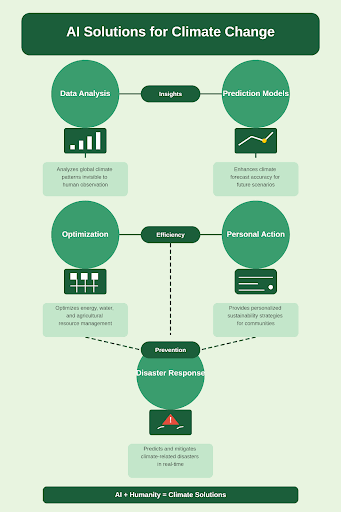
AI can analyze enormous amounts of environmental data collected from satellites, weather stations, and sensors. These systems help scientists monitor global temperatures, track deforestation, predict floods, and identify areas at risk of wildfires.
Real-time analysis allows governments to respond more quickly to natural disasters and improve disaster preparedness.
Improving Renewable Energy
Artificial intelligence helps optimize renewable energy sources such as solar and wind power. AI predicts weather conditions, balances electricity demand, and improves energy storage systems, making renewable energy more reliable and efficient.
Smart power grids powered by AI can distribute electricity more effectively while reducing energy waste.
Reducing Carbon Emissions
Businesses are using AI to improve manufacturing processes, reduce fuel consumption, and optimize transportation routes. These improvements lower greenhouse gas emissions while reducing operational costs.
AI also supports smart buildings by automatically managing heating, cooling, and lighting systems to improve energy efficiency.
Protecting Forests and Wildlife
AI-powered drones and satellite imagery help detect illegal logging, monitor wildlife populations, and identify environmental changes before they become severe. Conservation organizations use these technologies to protect biodiversity and preserve natural habitats.
Challenges and Limitations
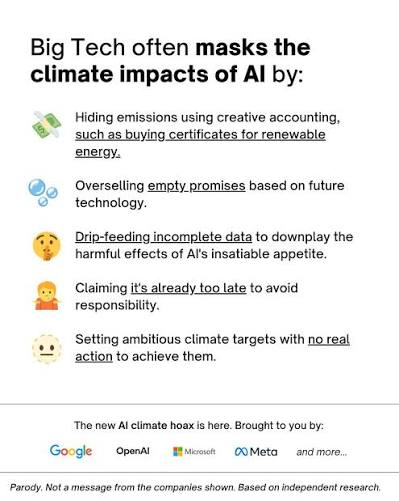
Although AI offers significant environmental benefits, it also consumes energy through large data centers and complex computing systems. Researchers are developing more energy-efficient AI models to minimize their environmental impact.
In addition, AI should complement—not replace—strong environmental policies, international cooperation, and sustainable practices.
The Future of AI in Climate Action
Future AI systems are expected to improve carbon capture technologies, accelerate clean energy research, and enhance climate forecasting. Collaboration between scientists, governments, and technology companies will be essential to maximize AI’s contribution to environmental sustainability.
Conclusion
Artificial intelligence is not a complete solution to climate change, but it is becoming an essential tool in the global effort to protect the planet. By improving energy efficiency, supporting renewable resources, monitoring ecosystems, and reducing emissions, AI can help build a more sustainable future for generations to come.