Introduction
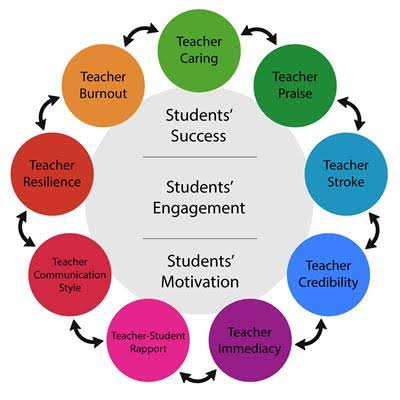
Teachers are among the most influential individuals in a student’s life. Beyond delivering lessons, they inspire curiosity, build confidence, develop critical thinking, and shape the values and character of future generations. A dedicated teacher can motivate students to overcome challenges, discover their strengths, and achieve their academic and personal goals.
In today’s rapidly changing world, the role of teachers has expanded beyond traditional classroom instruction. They serve as mentors, facilitators, role models, and lifelong learners who help students prepare for future careers and responsible citizenship.
Teachers as Guides and Mentors
A teacher’s responsibility extends beyond textbooks. They guide students through academic challenges while providing emotional support and encouragement. By understanding each student’s unique strengths and weaknesses, teachers create a positive learning environment where every learner feels valued.
Mentorship helps students build self-confidence, improve decision-making skills, and develop resilience in the face of obstacles.
Creating an Effective Learning Environment
Successful learning begins with a classroom that is welcoming, inclusive, and engaging. Teachers foster this environment by encouraging participation, respecting diverse opinions, and promoting collaboration among students.
Interactive teaching methods, group discussions, educational games, and practical activities make learning more enjoyable and improve students’ understanding of complex concepts.
Developing Critical Thinking and Problem-Solving Skills
Modern education focuses not only on memorizing facts but also on developing analytical and creative thinking. Teachers encourage students to ask questions, explore ideas, and solve real-world problems.
Activities such as project-based learning, debates, experiments, and research assignments help students become independent thinkers capable of making informed decisions.
Motivating Students to Achieve Their Goals
A motivated student is more likely to succeed academically. Teachers inspire students by recognizing their achievements, setting realistic goals, and encouraging continuous improvement.
Positive feedback, constructive guidance, and celebrating small successes help students stay focused and develop a growth mindset.
Building Character and Values
Education is not only about academic knowledge but also about character development. Teachers play a vital role in teaching values such as honesty, respect, responsibility, empathy, teamwork, and discipline.
These qualities prepare students to become ethical professionals and responsible citizens who contribute positively to society.
Integrating Technology into Education
Technology has transformed classrooms around the world. Teachers now use digital tools such as:
- Interactive presentations
- Online learning platforms
- Educational videos
- Virtual classrooms
- Artificial Intelligence learning tools
- Digital assessments
These technologies make learning more engaging and prepare students for a technology-driven future.
Supporting Individual Learning Needs
Every student learns differently. Effective teachers adapt their teaching methods to accommodate different learning styles and abilities.
Providing additional support, personalized feedback, and flexible learning opportunities helps ensure that all students can succeed regardless of their background or learning pace.
Encouraging Lifelong Learning
Teachers inspire students to become lifelong learners by fostering curiosity and a love for knowledge. They encourage reading, research, creativity, and continuous self-improvement.
These habits help students remain adaptable in a rapidly changing world where new skills are constantly required.
Challenges Faced by Teachers
Despite their important role, teachers often face challenges such as:
- Large class sizes
- Limited educational resources
- Heavy workloads
- Rapid technological changes
- Diverse student needs
Supporting teachers through professional development, adequate resources, and recognition is essential for improving educational outcomes.
The Future of Teaching
The future of education will require teachers to embrace innovation while maintaining strong human connections with students. Emerging technologies such as Artificial Intelligence, virtual reality, and personalized learning platforms will enhance teaching, but teachers will continue to play an irreplaceable role in guiding, motivating, and inspiring learners.
Conclusion
Teachers are the cornerstone of student success. Their dedication, knowledge, and guidance shape not only academic achievement but also the character and future aspirations of their students. By creating supportive learning environments, encouraging critical thinking, embracing technology, and nurturing lifelong learning, teachers empower young people to reach their full potential. Investing in teachers is an investment in the future of every nation.