Introduction
Technical education plays a crucial role in preparing individuals for today’s rapidly evolving job market. Unlike traditional academic education, technical education focuses on practical skills, hands-on training, and industry-specific knowledge that enables students to enter the workforce with confidence. As technology continues to transform industries, employers increasingly seek skilled professionals who can adapt to modern workplace demands.
For countries like Pakistan, expanding technical and vocational education is essential for reducing unemployment, promoting entrepreneurship, and supporting economic development. By equipping students with practical skills, technical education bridges the gap between education and employment.
What Is Technical Education?
Technical education refers to specialized training programs that prepare students for specific careers and trades. These programs combine classroom learning with practical experience to develop job-ready skills.
Popular fields include:
- Information Technology
- Software Development
- Electrical Engineering
- Mechanical Engineering
- Civil Engineering
- Healthcare Technology
- Automotive Technology
- Graphic Design
- Digital Marketing
- Hospitality Management
- Agriculture
- Renewable Energy
Importance of Technical Education
1. Developing Practical Skills
Technical education emphasizes hands-on learning, allowing students to gain real-world experience through workshops, laboratories, internships, and industry projects.
These practical skills increase confidence and improve workplace readiness.
2. Improving Employment Opportunities
Employers value candidates who possess both theoretical knowledge and practical expertise. Technical graduates often find employment more quickly because they are trained to perform industry-specific tasks from the beginning of their careers.
Growing industries such as information technology, manufacturing, construction, healthcare, and renewable energy continue to create demand for skilled professionals.
3. Supporting Economic Growth
A skilled workforce contributes directly to national development by increasing productivity, encouraging innovation, and attracting investment.
Technical education supports industries that drive economic growth while helping businesses remain competitive in global markets.
4. Encouraging Entrepreneurship
Technical skills enable individuals to establish their own businesses and become entrepreneurs.
Graduates can launch enterprises such as:
- Software companies
- Graphic design studios
- Automotive repair workshops
- Electrical services
- Digital marketing agencies
- Freelance technology services
Entrepreneurship creates employment opportunities not only for business owners but also for others within the community.
Technical Education in the Digital Era
Emerging technologies are transforming technical education by introducing new career opportunities in:
- Artificial Intelligence (AI)
- Cybersecurity
- Cloud Computing
- Robotics
- Internet of Things (IoT)
- Data Science
- Mobile App Development
- Renewable Energy Systems
Educational institutions are increasingly updating their curricula to prepare students for these high-demand fields.
Challenges Facing Technical Education
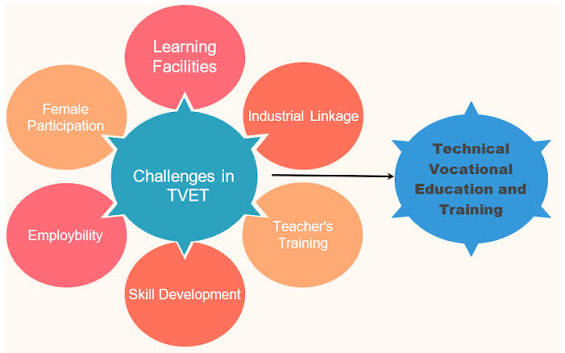
Despite its importance, technical education faces several challenges:
- Limited access to modern equipment
- Outdated curricula
- Insufficient industry partnerships
- Shortage of qualified instructors
- Lack of awareness about vocational careers
- Unequal access in rural areas
Addressing these issues requires greater investment and stronger collaboration between educational institutions, industries, and policymakers.
Strengthening Industry Partnerships
Collaboration between educational institutions and employers helps ensure that training programs match industry needs.
Effective partnerships include:
- Internship opportunities
- Apprenticeship programs
- Industry-led workshops
- Curriculum development
- Career counseling
- Job placement services
Such initiatives improve graduate employability and support workforce development.
Government and Private Sector Support
Governments and private organizations can strengthen technical education by:
- Investing in modern training centers
- Providing scholarships
- Expanding vocational institutes
- Supporting innovation and research
- Encouraging lifelong learning
- Promoting digital skills training
These efforts create a stronger foundation for sustainable employment.
Future Outlook
The demand for technically skilled workers will continue to rise as industries adopt advanced technologies and automation. Continuous learning, professional certifications, and adaptability will become essential for long-term career success.
Technical education will remain one of the most effective pathways for preparing individuals to succeed in the modern global economy.
Conclusion
Technical education is a powerful tool for reducing unemployment, promoting entrepreneurship, and driving economic growth. By providing practical skills, industry-relevant training, and opportunities for lifelong learning, it equips individuals to meet the changing demands of the workforce. Strengthening technical education through modern curricula, industry partnerships, and technological innovation will help create a highly skilled workforce capable of contributing to national and global development.