Introduction
In today’s fast-paced world, stress has become a common part of daily life. Whether caused by work responsibilities, academic pressure, financial concerns, or personal commitments, stress can affect both physical and mental well-being. While a certain amount of stress can motivate people to perform better, excessive or prolonged stress may lead to health problems, reduced productivity, and emotional exhaustion.
Learning how to manage stress effectively is essential for maintaining a healthy, balanced, and fulfilling life. By adopting positive habits and healthy coping strategies, individuals can navigate life’s challenges with greater confidence and resilience.
Understanding Stress
Stress is the body’s natural response to challenges or demanding situations. When faced with pressure, the body releases hormones such as adrenaline and cortisol, preparing us to respond quickly. However, when stress becomes constant, it can negatively affect both the mind and body.
Common causes of stress include:
- Heavy workloads
- Academic pressure
- Financial difficulties
- Family responsibilities
- Health concerns
- Lack of work-life balance
- Uncertainty about the future
Recognizing these triggers is the first step toward managing stress effectively.
Effects of Stress
If left unmanaged, stress can lead to various physical, emotional, and behavioral problems.
Physical Effects
- Headaches
- Fatigue
- Muscle tension
- High blood pressure
- Sleep disturbances
- Weakened immune system
Emotional Effects
- Anxiety
- Irritability
- Mood swings
- Difficulty concentrating
- Feeling overwhelmed
Behavioral Effects
- Poor eating habits
- Reduced productivity
- Social withdrawal
- Increased reliance on unhealthy coping mechanisms
Managing stress early helps prevent these long-term consequences.
Practical Ways to Manage Stress
1. Prioritize Time Management
Poor time management often increases stress. Organizing daily tasks, setting realistic goals, and avoiding procrastination can help individuals stay focused and reduce unnecessary pressure.
Creating a daily schedule and breaking large tasks into smaller steps makes responsibilities more manageable.
2. Stay Physically Active
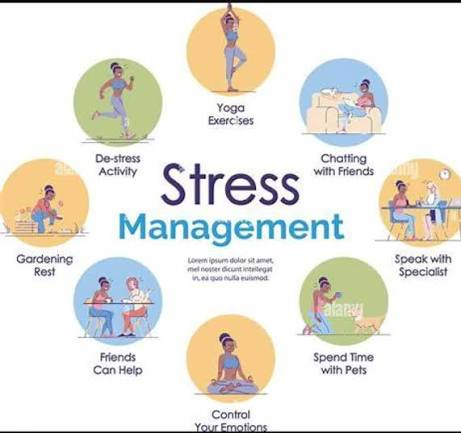
Regular exercise is one of the most effective ways to reduce stress. Physical activity releases endorphins, which improve mood and promote relaxation.
Activities such as walking, jogging, cycling, yoga, or swimming can significantly reduce stress levels.
3. Practice Mindfulness and Relaxation
Mindfulness encourages individuals to focus on the present moment instead of worrying about the past or future.
Helpful relaxation techniques include:
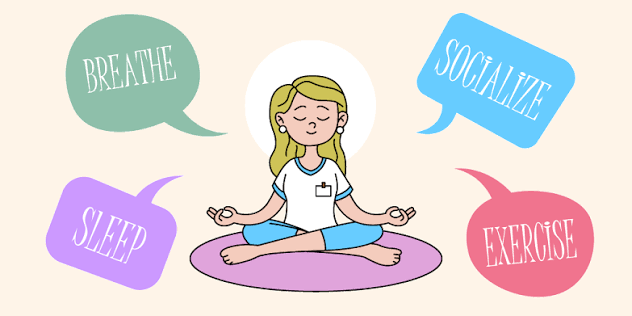
- Deep breathing exercises
- Meditation
- Yoga
- Progressive muscle relaxation
- Spending quiet time in nature
These practices help calm the mind and improve emotional well-being.
4. Maintain a Healthy Lifestyle
Good nutrition and adequate sleep play an essential role in stress management.
Healthy habits include:
- Eating balanced meals
- Drinking enough water
- Limiting excessive caffeine
- Getting 7–9 hours of sleep each night
- Avoiding harmful substances
A healthy body supports a healthy mind.
5. Build Strong Relationships
Talking with trusted friends, family members, or colleagues provides emotional support during difficult times.
Sharing concerns and seeking advice can reduce feelings of isolation and help individuals develop practical solutions to problems.
6. Take Regular Breaks
Working continuously without rest can increase stress and reduce productivity.
Short breaks throughout the day allow the brain to recharge, improve concentration, and maintain energy levels.
7. Limit Digital Overload
Constant exposure to emails, notifications, and social media can contribute to mental fatigue.
Setting boundaries for screen time and taking digital breaks can improve focus and reduce stress.
Building Long-Term Stress Management Skills
Managing stress is an ongoing process rather than a one-time solution. Developing healthy habits, maintaining positive relationships, practicing gratitude, and staying adaptable can strengthen emotional well-being over time.
Seeking professional support from counselors or mental health professionals is also beneficial when stress becomes overwhelming.
Conclusion
Stress is an unavoidable part of modern life, but it does not have to control our well-being. By managing time effectively, maintaining healthy habits, practicing mindfulness, staying physically active, and seeking support when needed, individuals can reduce stress and improve their quality of life. Developing effective stress management skills leads to greater happiness, improved productivity, and stronger mental and physical health.