Why Pakistan Works for Student Budgets
Pakistan is one of the most affordable countries in the world for independent travel. Local transport is cheap, roadside dhabas serve filling meals for a few hundred rupees, and guesthouses in the north routinely cost less per night than a single takeaway pizza back on campus. For students willing to plan a little, a week of genuine adventure — mountains, historic cities, ancient ruins — can cost roughly Rs. 15,000–25,000 in total. That figure comes from travel guides that have tracked real student itineraries across the country, and it assumes the two rules of budget travel: share costs with friends and eat like a local.
Destinations That Don’t Empty Your Wallet
Northern areas: Hunza, Swat and Naran
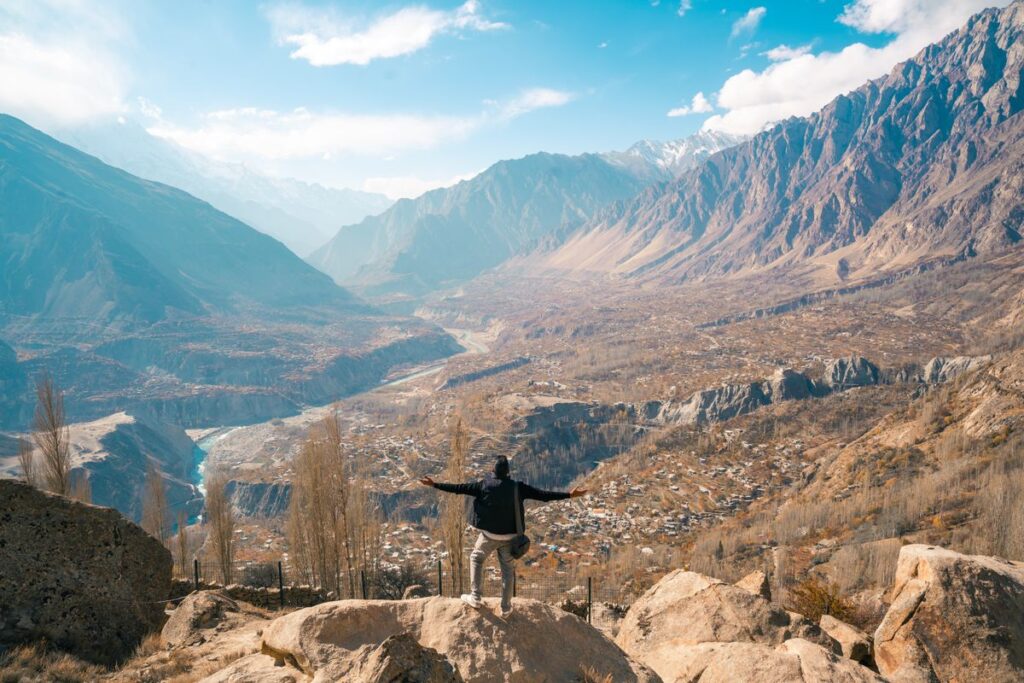
The north is the headline act. Hunza Valley delivers Attabad Lake, Baltit and Altit Forts (entry under Rs. 500), and views that rival the Alps, at an estimated daily budget of Rs. 2,500–3,500. Swat Valley is even friendlier to tight budgets: buses run from Islamabad, guesthouses in Kalam go for Rs. 2,000–6,000 a night, and the Buddhist archaeological sites, rivers and walking routes cost almost nothing to explore. Naran and Kaghan Valley offer Lake Saif-ul-Malook and the Lalazar Plateau with the most developed budget infrastructure of any scenic destination in the country.
Cities of history and food: Lahore
If mountains aren’t your thing, Lahore’s Mughal architecture — Badshahi Mosque, Lahore Fort, Shalimar Gardens — comes with entry fees of Rs. 500 or less, and the famous Food Street feeds you for very little. A two-day Lahore heritage trip can be done for around Rs. 3,200 per person, including a university hostel stay.
Quick weekend escapes: Murree and Nathia Gali
When you only have a weekend, Murree and Nathia Gali are two to three hours from Islamabad by bus. Chairlifts, hiking trails to Pindi Point and Kashmir Point, and budget hotels from Rs. 1,500 a night make this the classic student first trip. A three-day northern escape can total roughly Rs. 5,500 per person.
Getting Around Cheap
Transport eats the biggest share of any trip — budget about 40% of your total here — so choose wisely.
Intercity buses
Daewoo Express, Faisal Movers and NATCO run comfortable coaches on most major routes. Overnight buses to Skardu or Gilgit double as your accommodation for the night, saving a hotel bill. Student discounts and student concession cards are available on several operators — always carry your student ID and ask.
Trains
Pakistan Railways economy class is the cheapest way to cover long distances, especially Lahore–Karachi and Karachi–Rawalpindi routes. Book off-peak and in advance for the best rates.
Shared and local transport
Within cities, rickshaws, coasters and ride-hailing apps like Careem or inDrive keep costs low and add a safety layer. In the mountains, share jeeps for Deosai or Fairy Meadows rather than chartering your own — group travel is the single biggest money-saver in northern Pakistan.
Sleeping and Eating on a Student Budget
Accommodation (roughly 30% of the budget) is where planning pays off. The Pakistan Youth Hostels Association (PYHA) network, university guest houses and private hostels in tourist towns are the cheapest reliable options; group room-sharing can halve the per-person cost. Camping is available in the northern areas at minimal cost.
For food (about 20%), the rule is simple: eat where the locals eat. A roadside dhaba breakfast of paratha and chai costs around Rs. 100–150; biryani, daal and roti meals run Rs. 200–350. Busy dhabas are not only cheaper — high turnover means fresher food. Carry a water bottle and refill it; it saves money and plastic.
Safety and Planning Basics
Budget travel should never mean careless travel. Travel in a group of at least three or four, share your itinerary with family, and keep emergency contacts and a small first-aid kit with you. Keep 10–15% of your budget unspent as an emergency reserve. Carry your student card, CNIC or B-form, and save the local police and university emergency numbers. Check local advisories before heading anywhere remote, and avoid isolated areas after dark.
A final practical note: travel off-peak. Shoulder seasons (March–May and September–November) bring lower prices, thinner crowds and pleasant weather — and they dodge exam season for most Pakistani universities.
References
- National Planners of Pakistan, “Best Places to Visit in Pakistan on a Budget” — https://nationalplannersofpakistan.com/affordable-travel-destinations-in-pakistan/
- Houstel.pk, “Budget Travel Plan for University Students – Pakistan Guide 2025” — https://houstel.pk/blogs/budget-travel-plan-university-students
#BudgetTravel #Pakistan #StudentLife #TravelTips
