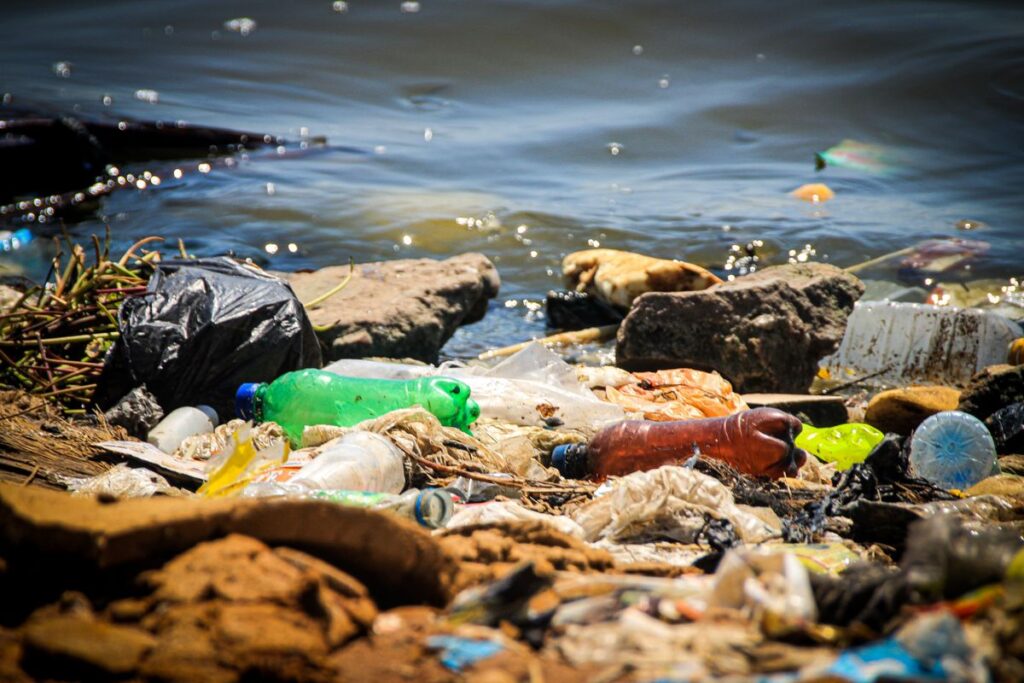
The Problem Sitting on Your Desk
Look around your room right now. Plastic water bottles, takeaway boxes, shopping bags, coffee cups — most of it was used for less than twelve minutes and will outlast you by centuries. Globally, more than 430 million tons of plastic are produced each year, and two-thirds of it is thrown away after a single use. As the Lancet’s major review on plastics and health put it, plastics are “a grave, growing, and under-recognized danger to human and planetary health.”
The good news: campus life is actually one of the easiest places to cut plastic waste, because your routine is predictable and the alternatives pay for themselves. You don’t need to be perfect. As one environmental science student at BYU put it, “I’m an imperfect environmentalist 100%, but every little thing you do counts.”
Start With the Big Three
Most campus plastic comes from three items. Swap these and you’ve done most of the work.
Carry a reusable water bottle
A steel bottle costs a few hundred rupees and lasts years. On Pakistani campuses, bottled water bought from the canteen every day easily costs Rs. 50–100 a day — do the math over a semester and the bottle pays for itself many times over. Refill from the canteen cooler or the campus water filter instead of buying new bottles.
Bring your own shopping bag
Those flimsy plastic carrier bags from the bazaar pile up fast and can’t easily be recycled. Keep a cloth tote or even just your backpack with you when you go shopping. “Bags for life” use up to three times more plastic than single-use bags, so the real win is reusing whatever bag you already own until it falls apart.
Say no to plastic cutlery
Takeaway meals arrive with plastic forks, spoons and straws most of us never asked for. If you have a hostel kitchen or can eat at home, tick the “no cutlery” option when ordering food online. Better still, keep a cheap steel spoon and fork in your bag — many students already carry one for mess-hall food.
In the Hostel and Canteen
Rethink your takeaway habit
Disposable takeaway boxes are one of the biggest waste streams in student life. If your canteen allows it, bring your own steel dabba or reusable container — some canteens even give you a small discount for it. Packing lunch from the hostel even a few days a week cuts both plastic and cost.
Swap liquid soap for bar soap
It’s a small change with a real payoff: no plastic pump bottle, and bars last longer. The same logic applies to shampoo — solid shampoo bars, available online and in some local markets, eliminate one of the most common bathroom plastics.
Stop wrapping food in cling film
Cling film can’t be recycled and doesn’t degrade. Cover leftovers with a plate instead, store snacks in a reusable lunchbox, or try beeswax wraps as a washable alternative.
Study Life Without the Wrap
Plastic sneaks into academics too. Buy notebooks and supplies without blister packaging where possible. Keep digital notes when you can — paperless learning reduces both plastic and paper waste. For events, parties and study groups, use real plates and cups or ask everyone to bring their own mug instead of buying a stack of disposables.
Make It a Habit, Not a Phase
The difference between people who stick with low-waste habits and those who quit in a week is friction, not willpower. Make the sustainable choice the easy one:
- Place your reusables where you see them. Bottle by the door, tote in your backpack, cutlery in your desk drawer.
- Team up. A roommate or friend who shares the goal makes it social instead of solitary. One student’s visible choice — like bringing a reusable plate to a campus event — has been shown to shift how whole groups behave.
- Track it for a month. Count how many disposable bottles or bags you avoided. Watching the number grow is genuinely motivating, and it makes your impact concrete.
None of these changes cost money — most of them save it. A reusable bottle, bag and lunchbox might set you back less than a single week’s worth of disposables. The planet gets cleaner, your wallet gets heavier, and your campus gets a little less littered. Start with the big three today.
References
- UCLA Sustainability, “Choose to refuse single-use plastic this summer” — https://sustain.ucla.edu/2025/07/16/choose-to-refuse-single-use-plastic-this-summer/
- BYU Daily Universe, “BYU students, faculty share tips to reduce plastic waste, be ‘better stewards'” — https://universe.byu.edu/2023/01/24/byu-students-faculty-share-tips-to-reduce-plastic-waste-be-better-stewards/
- University of Bristol, “Tips on reducing your plastic waste” — https://student.blogs.bristol.ac.uk/2023/05/25/tips-on-reducing-your-plastic-waste/
#PlasticFree #Sustainability #CampusLife
