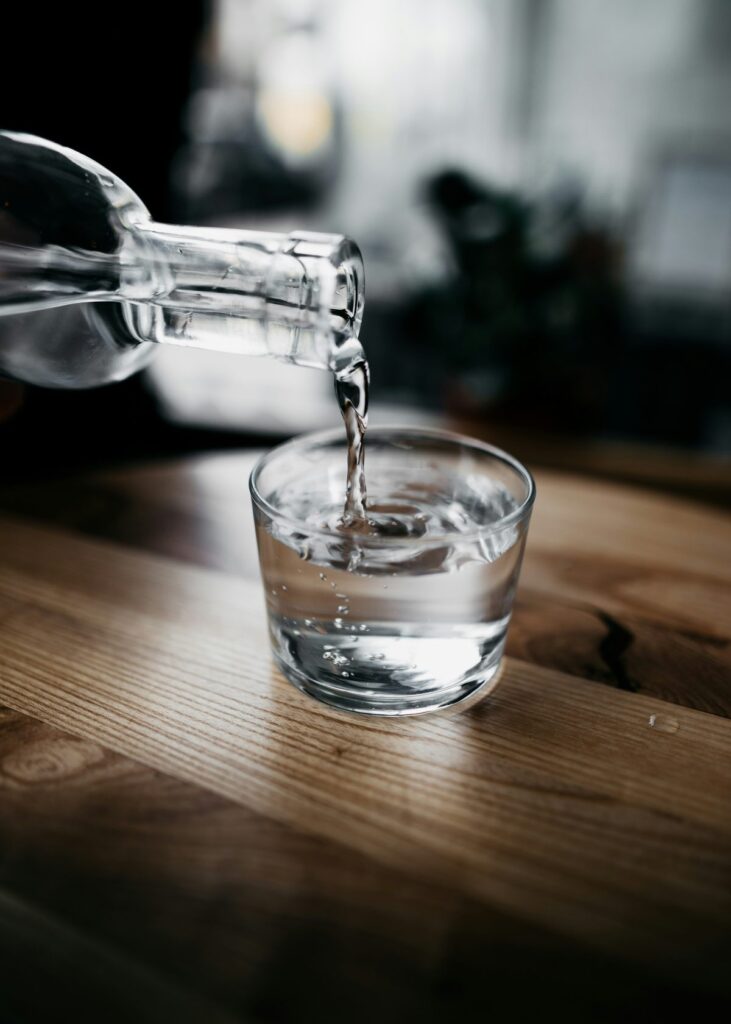
You have heard the rule a hundred times: drink eight glasses of water a day. But walk through any university campus and you will see students surviving on coffee, energy drinks, and sheer willpower. So how much water do you actually need — and does it really affect your grades, your energy, and your health? The short answer is yes: hydration matters more than most students realize. The longer answer is more interesting, because the famous eight-glasses rule is mostly a myth.
Why Hydration Matters More Than You Think
Your brain runs on water
Your brain is roughly 75 percent water, and even mild dehydration — losing just 1 to 2 percent of your body weight in fluids — can impair concentration, short-term memory, and mood. For a student facing back-to-back lectures and late-night revision sessions, that translates into slower thinking and more mistakes. Studies on cognitive performance consistently show that well-hydrated people perform better on tasks requiring attention and mental stamina.
Energy, skin, and digestion
Water keeps everything moving: it regulates body temperature, cushions joints, helps the kidneys flush waste, and keeps digestion running smoothly. When you are dehydrated, blood volume drops slightly, which means your heart works harder and you feel tired sooner. Many students blame poor sleep for their afternoon slump when the real culprit is an empty water bottle.
The Truth About the “8 Glasses” Rule
Where the myth came from
The eight-glasses advice traces back to a 1945 recommendation that adults consume about 2.5 liters of water daily — but most people forget the second half of that guidance, which noted that much of this fluid comes from food. Fruits, vegetables, soups, and even tea all count. Somehow the nuance got lost, and a catchy number survived for eighty years.
What science actually says
Modern guidance is refreshingly simple: drink to thirst, and pay attention to your body. The UK’s National Health Service recommends 6 to 8 cups or glasses of fluid a day — and that includes lower-fat milk, sugar-free drinks, tea, and coffee. There is no magic number that fits everyone; needs vary with body size, activity level, climate, and diet.
How Much Water Does a Student Need?
A practical daily target
For most students, aiming for around 1.5 to 2 liters of fluids spread across the day is a sensible baseline — roughly six to eight ordinary glasses. If you exercise, live somewhere hot, or spend hours in air-conditioned lecture halls, you will need more. Rather than obsessing over milliliters, use a simpler gauge: your urine should be pale straw-colored. Dark yellow means drink more.
Adjusting for exercise and weather
An hour of football or a gym session in a warm climate can cost you a liter of sweat or more. Drink before, during, and after exercise, and do not wait until you feel thirsty — thirst lags behind actual fluid loss during heavy activity.
Easy Hydration Habits for Busy Students
Carry water everywhere
The single most effective habit is also the simplest: keep a reusable bottle in your bag and refill it between classes. Out of sight really is out of mind — if water is within arm’s reach, you will drink it.
Eat your water
Cucumber, watermelon, oranges, and lettuce are over 90 percent water. A diet rich in fruit and vegetables quietly contributes a large share of your daily fluid needs while delivering vitamins at the same time.
Watch the caffeine trap
Coffee and tea do hydrate — the diuretic effect of caffeine is mild in regular drinkers — but energy drinks and sugary sodas are a poor trade. They spike blood sugar, wreck sleep, and leave you worse off in the long run. One coffee is fine; four energy drinks before an exam is self-sabotage.
Signs You’re Not Drinking Enough
Headaches, difficulty concentrating, dry mouth, dizziness, and unusual fatigue are classic early warnings. Dark urine, constipation, and dry skin follow if dehydration persists. Students often misread these signals as stress or lack of sleep. Before reaching for another coffee or a painkiller, try drinking a large glass of water and waiting twenty minutes — you may be surprised.
Conclusion
You do not need a complicated formula or an expensive smart bottle. Drink regularly through the day, favor water over sugary drinks, eat plenty of fruit and vegetables, and listen to your body. Good hydration will not write your essays for you, but it gives your brain the best possible chance to do its job. In the demanding life of a student, that is an advantage worth having.
References
NHS — Water, drinks and hydration: https://www.nhs.uk/live-well/eat-well/food-guidelines-and-food-labels/water-drinks-nutrition/
Wikipedia — Drinking water: https://en.wikipedia.org/wiki/Drinking_water
#Health #Hydration #Wellness #StudentLife #Fitness
