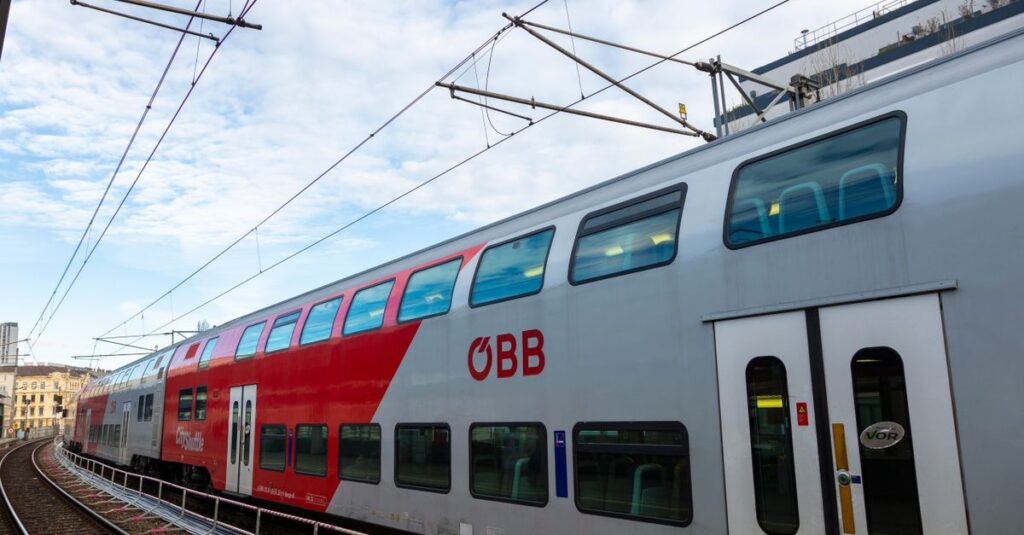
For generations of students, seeing Europe has meant one thing: a backpack, a rail pass, and a route scribbled in a notebook. The Interrail and Eurail passes are the modern version of that tradition — one ticket that lets you hop on and off trains across 33 countries. But first-time buyers are often confused about which pass they need, when it actually saves money, and how seat reservations work. This guide clears it all up.
Interrail vs Eurail: The Only Difference That Matters
Interrail and Eurail are effectively the same product, sold under two names. Both cover the same 33 countries, use the same Rail Planner app, cost the same for equivalent pass types, and offer the same youth discount. The single difference is eligibility, and it is decided by where you live, not which passport you hold:
- Interrail is for European citizens and legal residents of European countries.
- Eurail is for everyone else — students from the US, Canada, Asia, Africa, and Oceania.
One nuance for Interrail holders: you may only use the pass in your home country on two travel days — one outbound journey at the start and one inbound journey at the end. Eurail holders have no such restriction. Buy at the official sites (interrail.eu or eurail.com), not through resellers.
Choosing a Pass Type
Global Pass or One Country Pass?
The Global Pass covers all 33 countries and is the right choice for multi-country itineraries. The One Country Pass gives unlimited travel within a single country and is usually better value if your trip stays in one place — two weeks exploring Italy, for example.
Flexi or Consecutive?
The Flexi Pass gives you a set number of travel days within a longer window — say, 7 days of travel within 1 month, or 10 days within 2 months. On each travel day you can take as many trains as you like. The Consecutive Pass covers every single day of its validity, which only pays off if you are genuinely on a train daily. Most students get far better value from a flexi pass, which lets you spend rest days exploring cities without burning travel days.
Youth Discounts and Prices
Travellers aged 27 or younger on their first day of travel qualify for the Youth Pass, which cuts the price by roughly 20–25 percent compared to adult rates. Children aged 4–11 travel free with a Child Pass. Prices vary by pass type and duration, so check the official sites before committing — but expect a popular 7-days-in-1-month Global Pass to cost in the region of €260 for youth. Budget this as your headline expense, then account for reservations separately.
Seat Reservations: The Hidden Cost
This is what catches most first-timers off guard. The pass gives you the right to travel, but many high-speed, international, and night trains still require a separate seat reservation at extra cost. Rough averages: domestic high-speed trains around €10, international high-speed around €15, night trains €20 or more depending on the berth type. Eurostar trains between London and Paris/Brussels/Amsterdam need reservations around €30–€38. Meanwhile, most regional and local trains need no reservation at all — you just board. Germany, Austria, Benelux, and Scandinavia are the most pass-friendly countries; France, Spain, and Italy demand more planning and reservation spending.
Is the Pass Actually Worth It?
Be honest with yourself here, because a pass is not always cheaper. Buy the pass when you are visiting three or more countries, want flexibility to change plans on the go, or will ride many slow regional trains that need no reservations. Buy individual point-to-point tickets when your itinerary is fixed well in advance (advance fares bought 6–12 weeks ahead can be very cheap), when you are visiting just one or two countries, or when your route is heavy on high-reservation-fee countries like France and Spain. A quick calculation — pass price plus all reservation fees versus the sum of advance point-to-point tickets — tells you the truth for your specific trip.
Practical Tips for Student Rail Travel
- Download the Rail Planner app before you leave — it stores your mobile pass, works offline, and shows which trains need reservations.
- Book night trains and popular summer routes as early as possible; couchettes and sleeper berths sell out weeks ahead.
- Consider one or two night trains: the pass plus a couchette reservation replaces both a hotel night and a travel day.
- Pack light. You will be sprinting across platforms and lifting your bag into overhead racks — your back will thank you.
- Keep your passport or national ID with you. Your pass is tied to your identity and proof of residence, and conductors do check.
References
- EveryRail – Eurail vs Interrail: Which Rail Pass Do You Need?: eligibility, pass types, reservations and pricing side by side
- RoamVisa – Interrail vs Eurail Pass: Which One Should You Buy?: flexi vs consecutive passes, reservation fees and when a pass is worth it
#Interrail #Eurail #Europe #BudgetTravel #Students
