Introduction
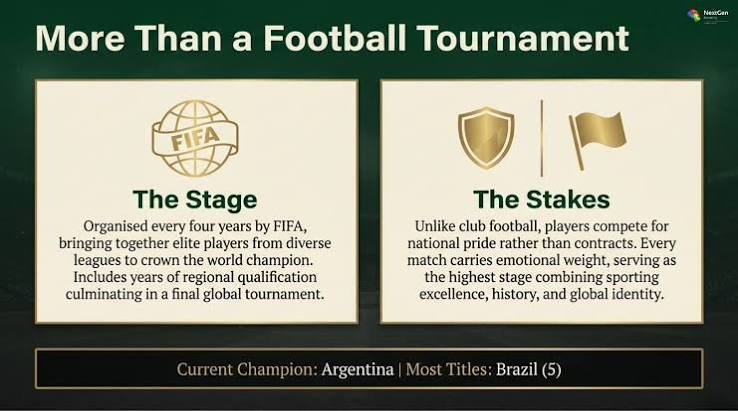
The FIFA World Cup is the most prestigious football tournament in the world, bringing together nations, players, and fans from every corner of the globe. Although it is primarily a sporting competition, the FIFA World Cup represents much more than a game. It is a celebration of culture, unity, national pride, and international cooperation. Every four years, this event creates unforgettable moments that go beyond the football field and leave a lasting impact on societies worldwide.
A Symbol of Global Unity
Football is often called the world’s most popular sport because it connects people regardless of language, culture, or background. The FIFA World Cup provides a platform where countries compete peacefully and celebrate diversity. Fans from different nations come together to support their teams, creating an atmosphere of friendship and shared passion.
The tournament demonstrates how sports can bring people closer and promote understanding between different cultures. It shows that competition can exist alongside respect and cooperation.
Promoting National Identity and Pride
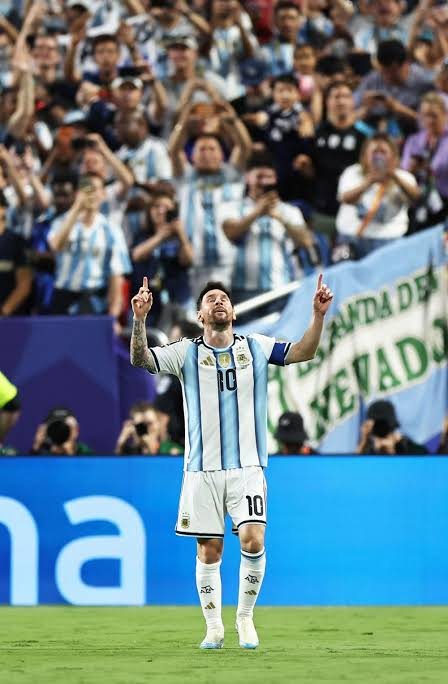
For many countries, the FIFA World Cup is a source of national pride. Representing a country on the global stage is one of the greatest achievements for football players. Victories and memorable performances become important moments in a nation’s history.
The tournament allows countries to showcase their culture, traditions, and achievements to a worldwide audience. National teams often become symbols of hope and inspiration for their citizens.
Economic Impact on Host Countries
Hosting the FIFA World Cup can create significant economic opportunities. Host nations invest in stadiums, transportation systems, tourism facilities, and infrastructure development. The event attracts millions of visitors, creating jobs and supporting local businesses.
Although organizing such a large event requires careful planning and investment, the long-term improvements in infrastructure and global recognition can provide valuable benefits.
Inspiring Future Generations
The FIFA World Cup inspires millions of young people to participate in sports. Watching talented players perform at the highest level encourages children to develop their skills, work hard, and pursue their dreams.
Many football legends become role models because of their dedication, discipline, and achievements. Their journeys motivate young athletes around the world.
Cultural Exchange and Diversity
The World Cup is a meeting point of different cultures. Fans experience new traditions, languages, music, and celebrations. This cultural exchange creates a deeper appreciation for diversity and helps break stereotypes.
The tournament also highlights how football styles vary across regions, making the sport more exciting and unique.
The Role of Technology in Modern World Cups
Technology has transformed the FIFA World Cup experience. Innovations such as video assistant referees (VAR), advanced performance analysis, and digital broadcasting have improved fairness and accessibility.
Fans around the world can now follow matches instantly through digital platforms, connecting millions of supporters regardless of location.
Challenges of the FIFA World Cup
Despite its positive influence, the World Cup faces challenges. Issues such as high costs, environmental concerns, political debates, and pressure on players are important considerations. Organizers must continue working toward making the tournament more sustainable, fair, and inclusive.
Conclusion
The FIFA World Cup is much more than a football tournament. It is a global event that promotes unity, cultural exchange, economic development, and inspiration. Through the power of football, it connects people from different backgrounds and creates memories that last for generations. The World Cup proves that sports have the ability to influence society and bring the world together.